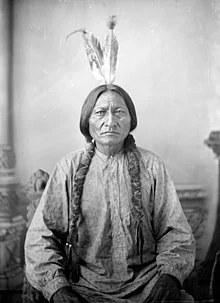
On December 15, 1890, Hunkpapa Lakota Chief Sitting Bull and eleven other tribe members were killed in Grand River, South Dakota, during a confrontation with Indian agency police.
Sitting Bull (1831–1837) was a Hunkpapa Lakota leader who led his people during years of resistance against United States government policies. Sitting Bull was killed by Indian agency police accompanied by U.S. officers and supported by U.S. troops on the Standing Rock Indian Reservation during an attempt to arrest him at a time when authorities feared that he would join the Ghost Dance movement.
Before the Battle of the Little Bighorn, Sitting Bull had a vision in which he saw many soldiers, “as thick as grasshoppers,” falling upside down into the Lakota camp, which his people took as a foreshadowing of a major victory in which many soldiers would be killed. About three weeks later, the confederated Lakota tribes with the Northern Cheyenne defeated the Seventh Cavalry under Lieutenant Colonel George Armstrong Custer on June 25, 1876, annihilating Custer’s battalion and seeming to fulfill Sitting Bull’s prophetic vision. Sitting Bull’s leadership inspired his people to a major victory. In response, the U.S. government sent thousands more soldiers to the area, forcing many of the Lakota to surrender over the next year. Sitting Bull refused to surrender, and in May 1877, he led his band north to Wood Mountain, North-West Territories. He remained there until 1881, when he and most of his tribe returned to U.S. territory and surrendered to U.S. forces.
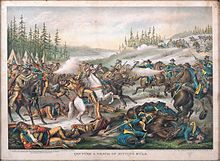
After working as a performer with Buffalo Bill’s Wild West show, Sitting Bull returned to the Standing Rock Agency in South Dakota. Because of fears that Sitting Bull would use his influence to support the Ghost Dance movement, Indian Service agent James McLaughlin at Fort Yates ordered his arrest. During an ensuing struggle between Sitting Bull’s followers and the agency police, Sitting Bull was shot in the chest and head by Standing Rock policemen Lieutenant Bull Head (Tatankapah, Lakota) and Red Tomahawk (Marcelus Chankpidutah, Lakota), after the police were fired upon by Sitting Bull’s supporters. His body was taken to nearby Fort Yates for burial. In 1953, his Lakota family exhumed what were believed to be his remains, reburying them near Mobridge, South Dakota, near his birthplace.
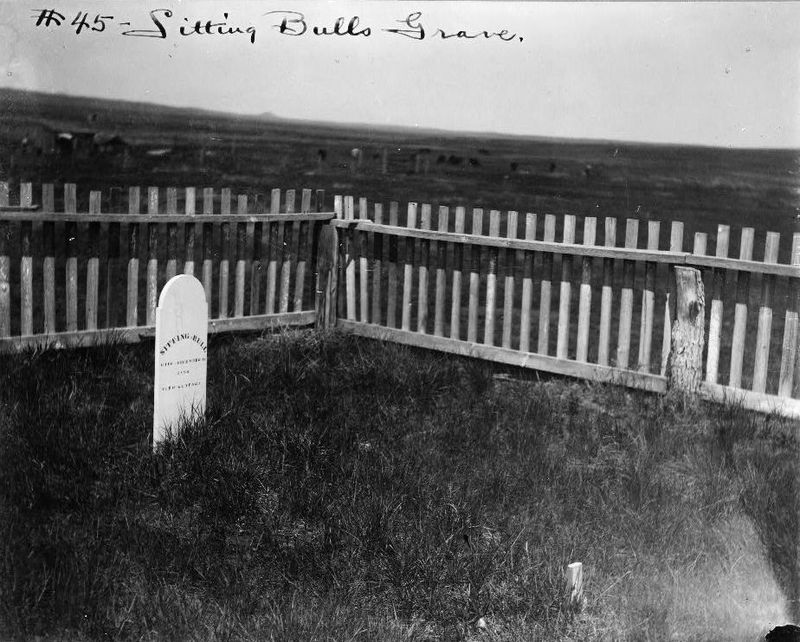
Frank Bennett Fiske, 1883-1952, photographer. –
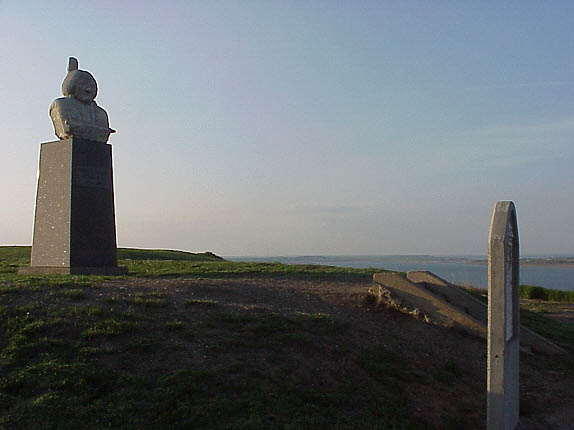
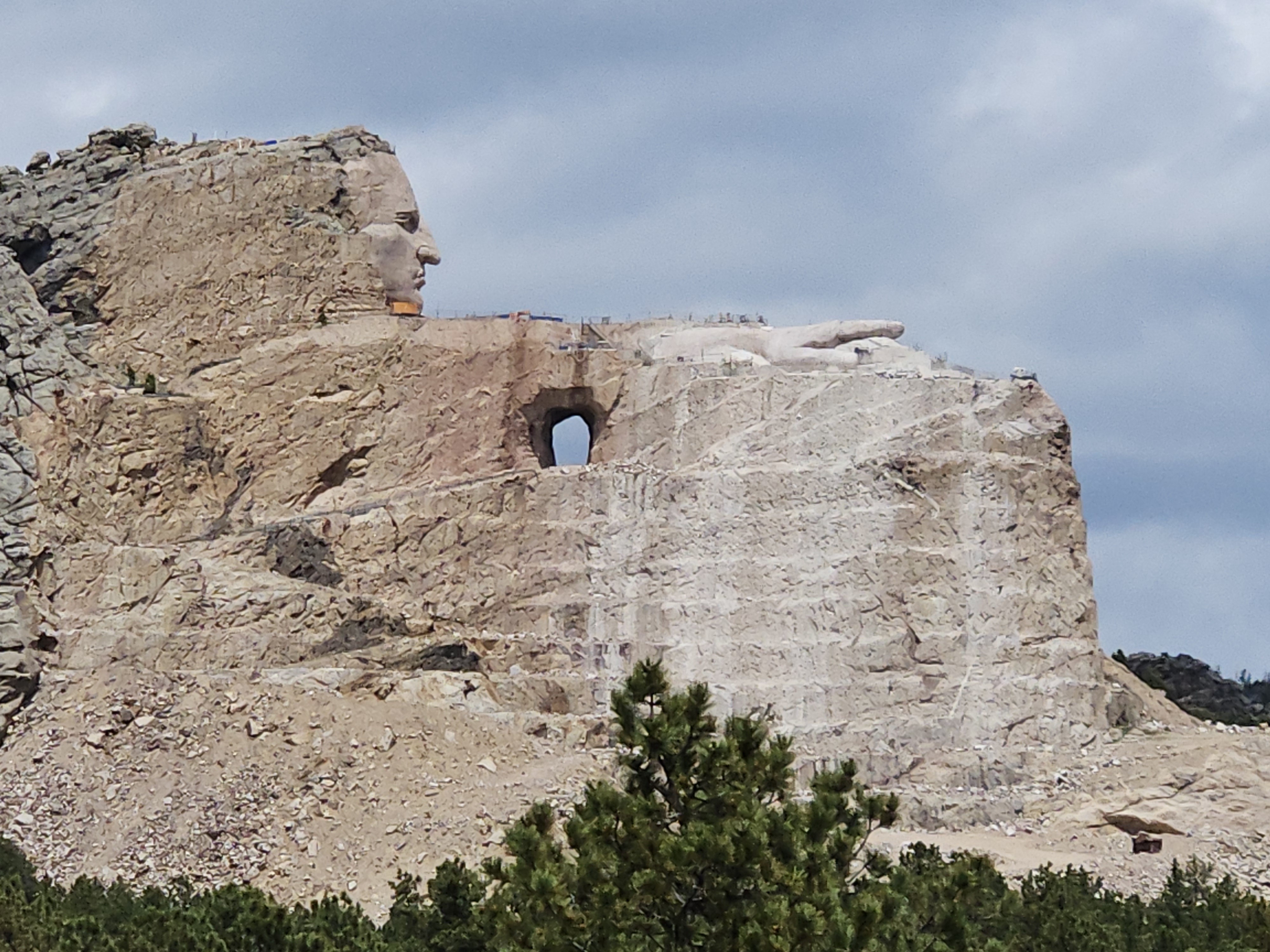
(Author’s Photo)

 Allen Mesch