
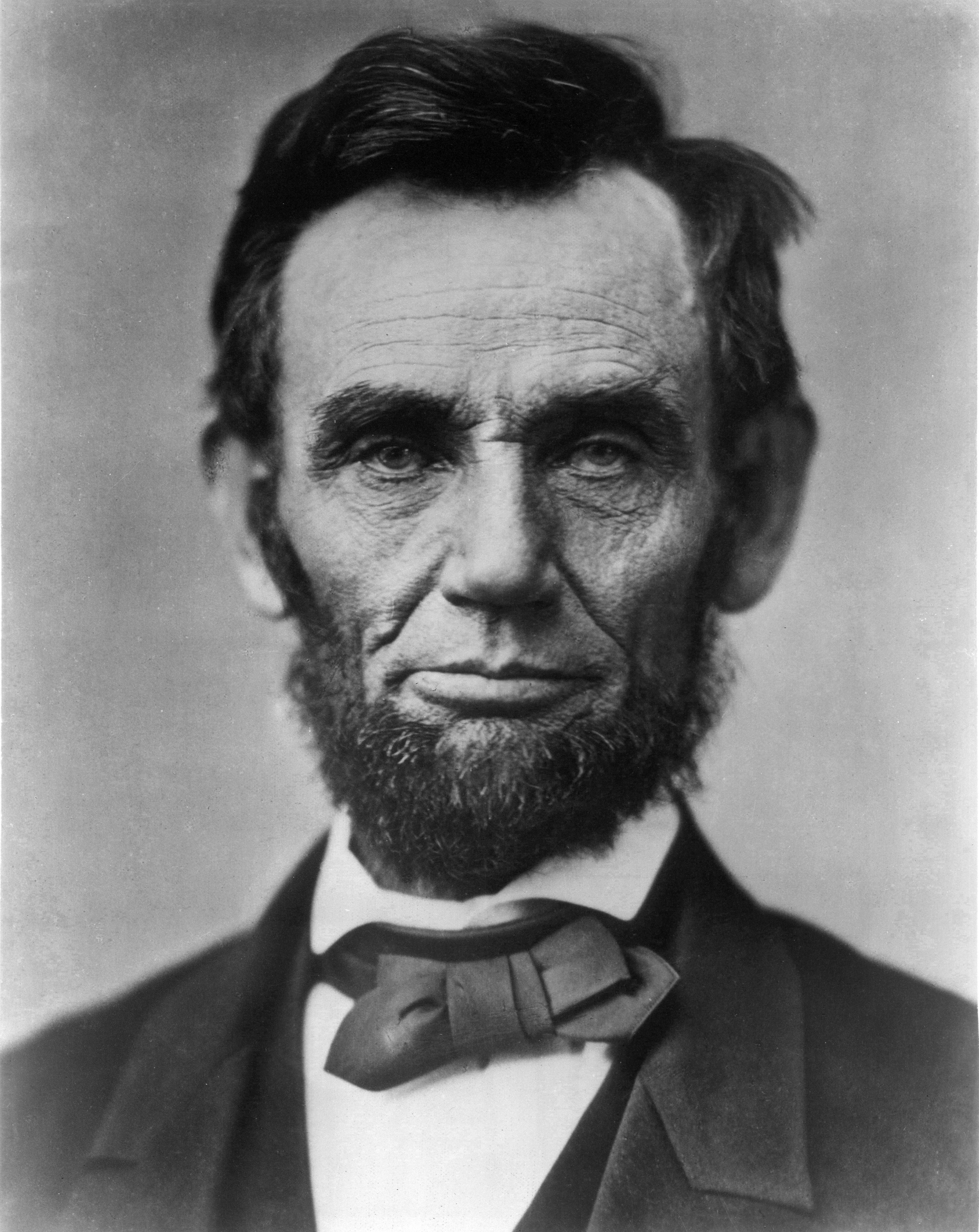
On November 6, 1860, Abraham Lincoln said that elections were like “‘big boils’ – they caused a great deal of pain before they came to a head, but after the trouble was over the body was in better health than before.”
Before the election Lincoln complained, “What is it I could say which would quiet the alarm? … Why do not uneasy men read what I have already said?”
After the election, Lincoln wrote, “This is just as I expected, and just what would happen with any declaration I could make. These political fiends are not half sick enough yet. ‘Party malice’ and not ‘public good’ possesses them entirely.” <1>
In an October 16, 1854 speech in Peoria, Illinois, Lincoln declared, “When the white man governs himself that is self-government; but when he governs himself, and also governs another man, that is more than self-government – that is despotism.”
In an August 24, 1855 letter to Joshua Speed, Lincoln wrote, “As a nation, we began by declaring that ‘all men are created equal.’ We now practically read it “all men are created equal, except Negroes.'”
Lincoln talked about liberty on September 11, 1858, in an Edwardsville, Illinois speech. “What constitutes the bulwark of our liberty and independence? Our reliance is the love of liberty which God has planted in our bosoms. Our defense is the preservation of the spirit which prizes liberty as the heritage of all men, in all lands, every where.”
In a November 19, 1858 letter to Henry Asbury Lincoln declared, “The fight must go on. The cause of civil liberty must not be surrendered at the end of one, or even one hundred defeats.”
In a speech to senators and representatives from slave-holding border states on July 12, 1862, President Lincoln said, “Our country is in great peril, demanding the loftiest views and boldest action to bring its speedy relief.”
Lincoln wrote in a May 17, 1859 letter to Theodore Canisius, “Understanding the spirit of our institutions to aim at the elevation of man, I am opposed to whatever tends to degrade them.”
During a speech at the Young Men’s Lyceum of Springfield, Illinois on January 27, 1838, Lincoln said “If destruction be our lot, we must ourselves be its author and finisher. As a nation of freemen, we must live through all time, or die by suicide.”
On November 20, 1860, at Springfield, Illinois, Lincoln advised, “Let us at all times remember that all American citizens are brothers of a common country, and should dwell together in the bonds of fraternal feeling.” <2>
I think that Lincoln’s words are especially significant as we consider the upcoming election.
Notes:
<1> Erik Larson, The Demon of Unrest, Crown Books.
<2> John D. Wright, ed., The Oxford Dictionary of Civil War Quotations, Oxford University Press.

 Allen Mesch