
The Day of the Dead (Día de Muertos) is a holiday celebrated on November 1 and 2, though other days, such as October 31 or November 6, may be included depending on the locality. The multi-day holiday involves family and friends gathering to pay respects and remember friends and family members who have died. These celebrations can take a humorous tone, as celebrants remember amusing events and anecdotes about the departed. It is widely observed in Mexico, where it has largely developed, and is also observed in other places, especially by people of Mexican heritage. The Day of the Dead has become a way to remember those forebears of Mexican culture.
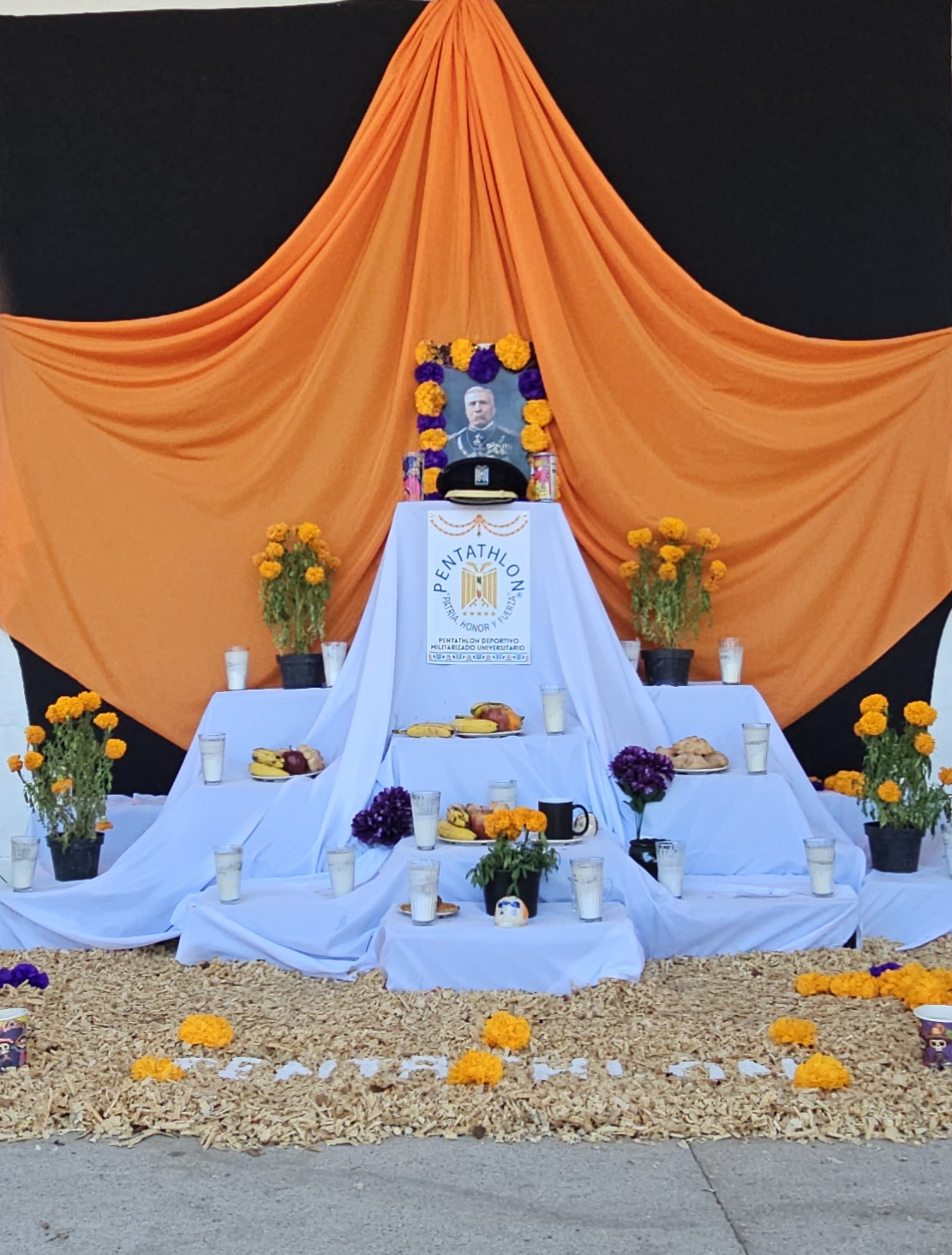
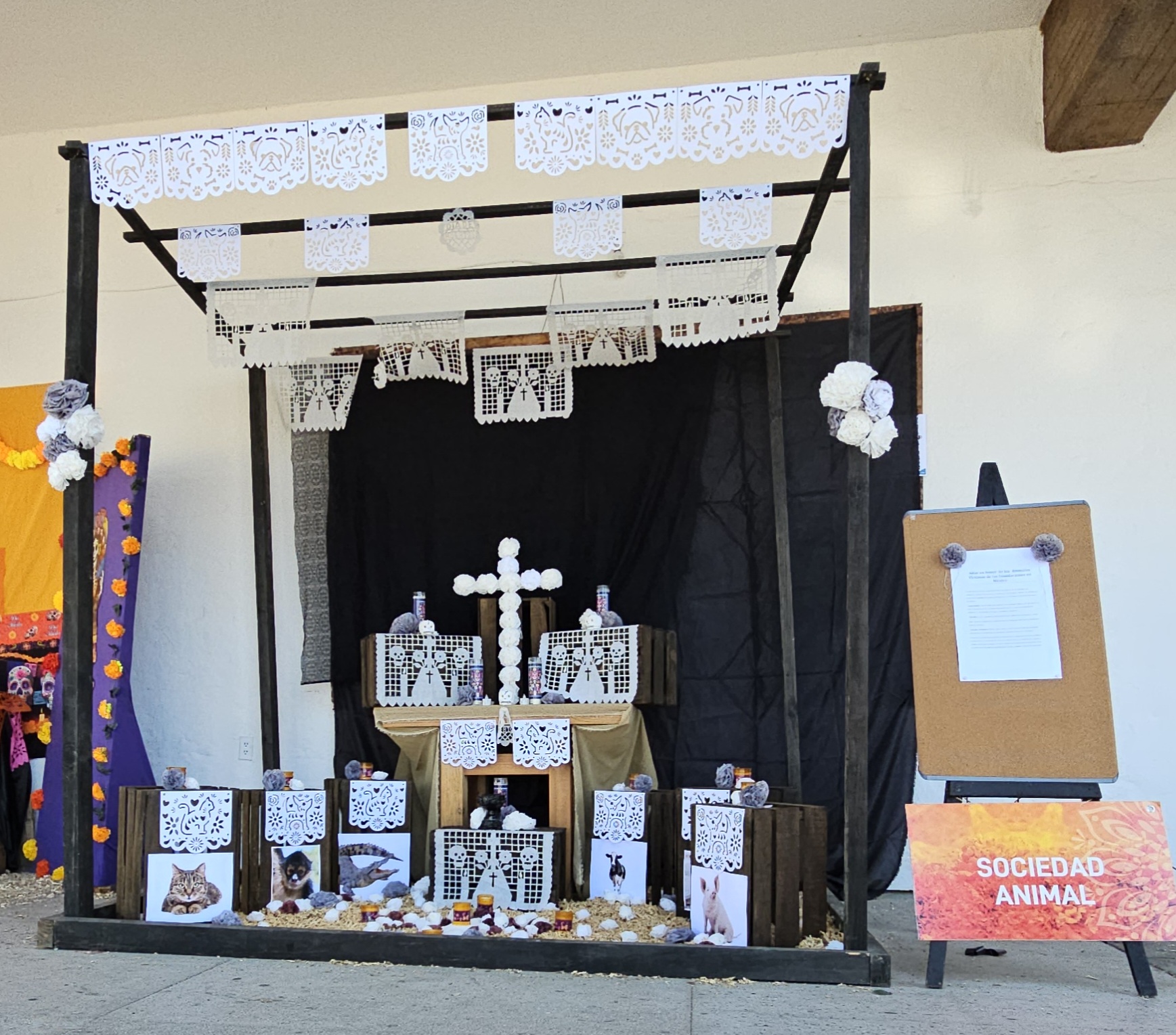
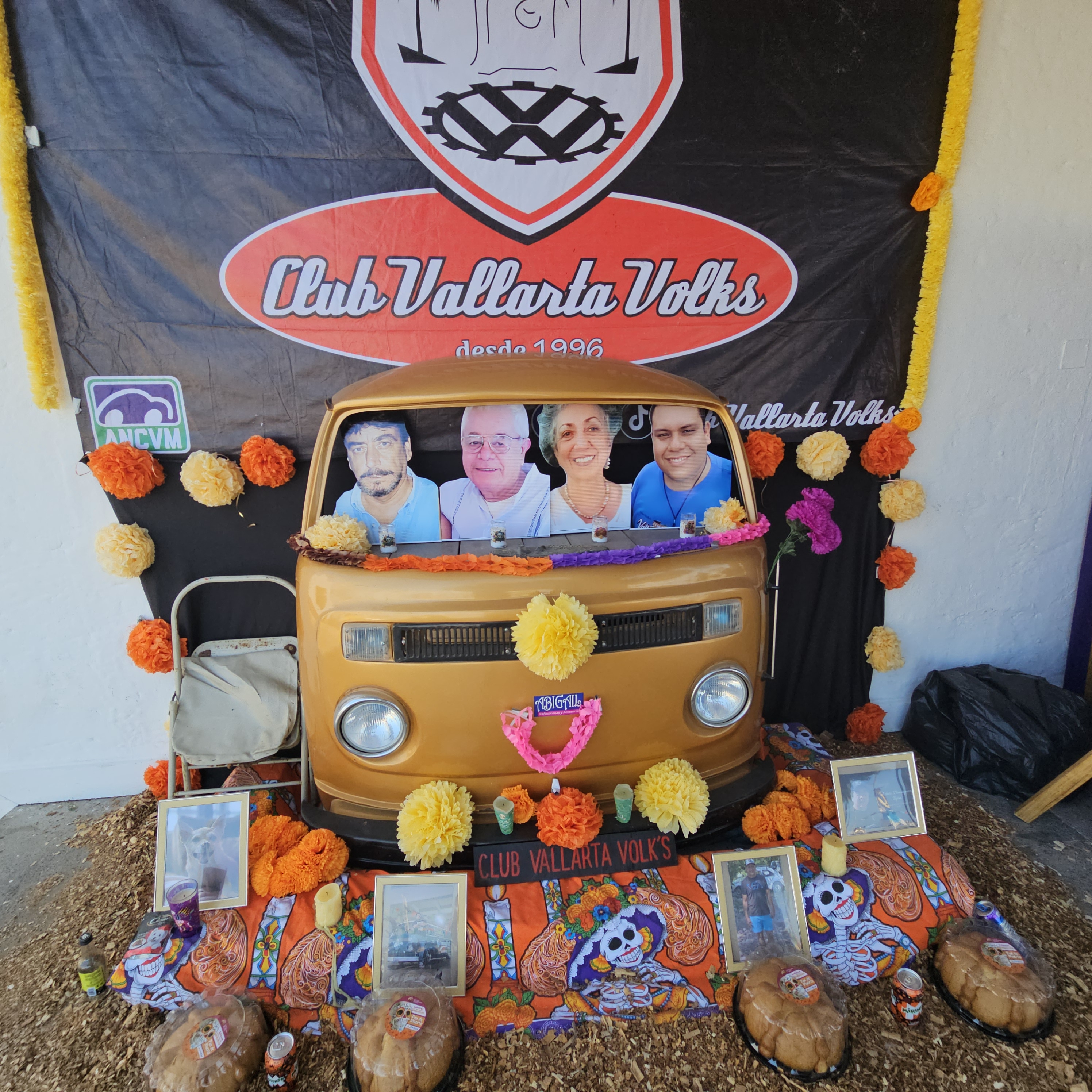
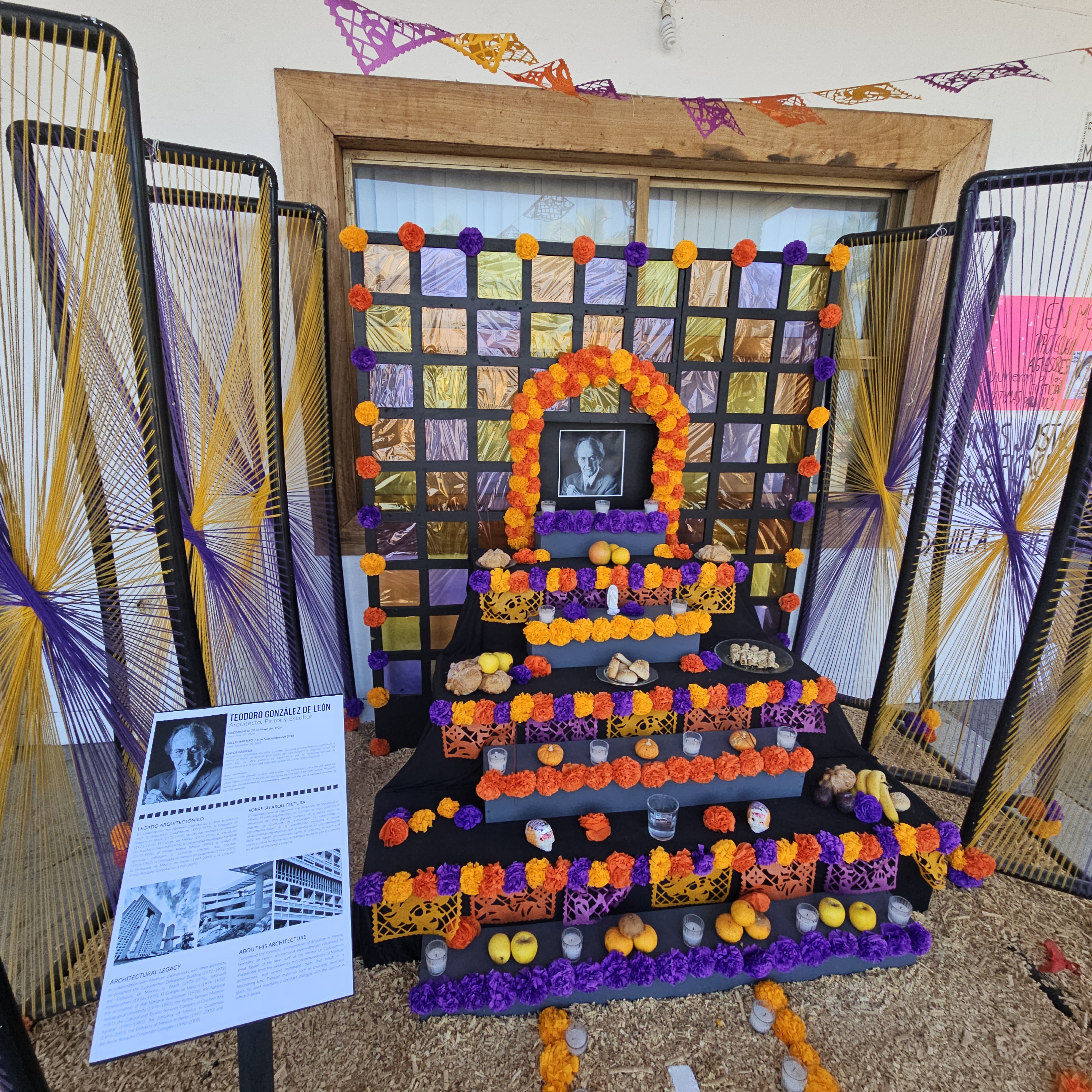
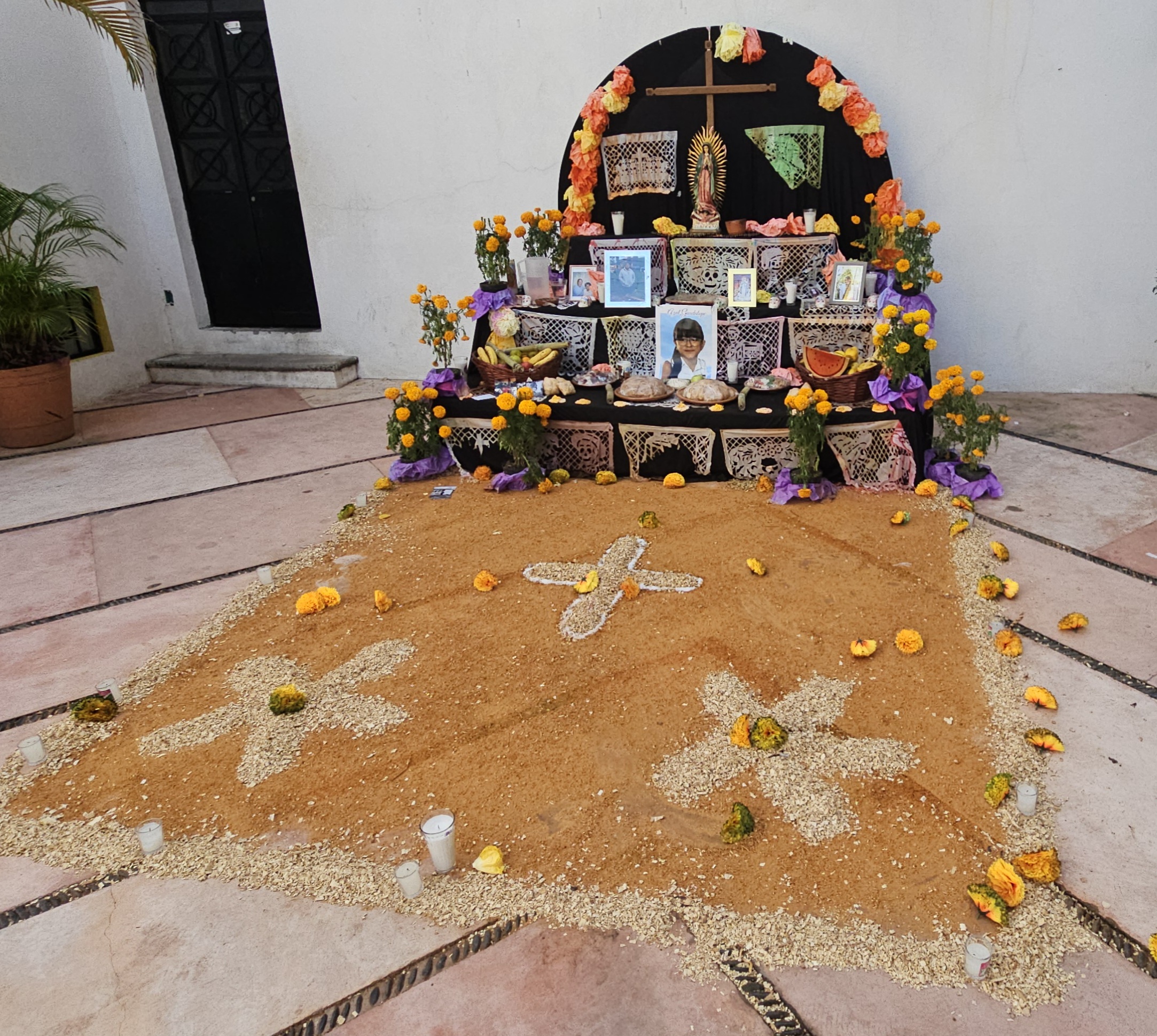
Traditions connected with the holiday include honoring the deceased using calaveras and marigold flowers known as cempazúchitl, building home altars called ofrendas with the favorite foods and beverages of the departed, and visiting graves with these items as gifts for the deceased. The celebration is not solely focused on the dead, as it is also common to give gifts to friends, such as candy sugar skulls, to share traditional pan de Muerto with family and friends, and to write light-hearted and often irreverent verses in the form of mock epitaphs dedicated to living friends and acquaintances, a literary form known as calaveras literarias.[1]
We had the opportunity to experience Día de Muertos during a vacation at the Vidanta Resort in Puerto Vallarta. Before we left Dallas, I read the book, Mexico’s Day of the Dead by LuiSa Navarro. It is an excellent explanation of the festival with numerous pictures.
The orange marigolds are used because the color orange is believed to attract the dead. We enjoyed the pan de Muerto, which is a delicious, sweet bread (pan).
The following images are pictures I took of the altars during Día de Muertos.






[1] “The Day of the Dead,” Wikipedia, Day of the Dead – Wikipedia, retrieved November 30, 2025.


