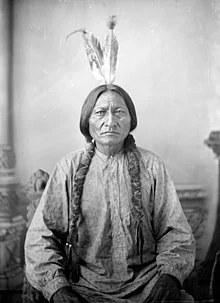
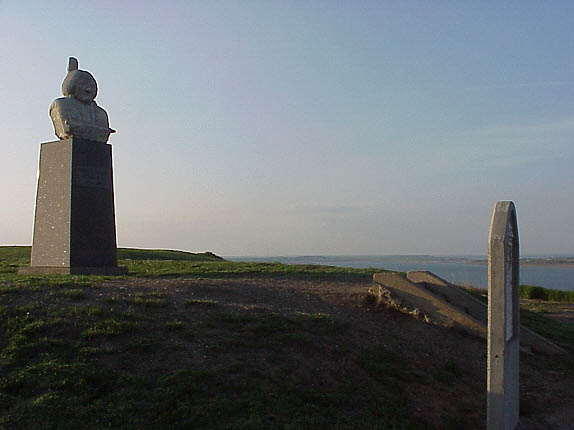
On December 15, 1890, Hunkpapa Lakota Chief Sitting Bull and eleven other tribe members were killed in Grand River, South Dakota, during a confrontation with Indian agency police.
Sitting Bull (1831–1837) was a Hunkpapa Lakota leader who led his people during years of resistance against United States government policies. Sitting Bull was killed by Indian agency police accompanied by U.S. officers and supported by U.S. troops on the Standing Rock Indian Reservation during an attempt to arrest him at a time when authorities feared that he would join the Ghost Dance movement.
Before the Battle of the Little Bighorn, Sitting Bull had a vision in which he saw many soldiers, “as thick as grasshoppers,” falling upside down into the Lakota camp, which his people took as a foreshadowing of a major victory in which many soldiers would be killed. About three weeks later, the confederated Lakota tribes with the Northern Cheyenne defeated the Seventh Cavalry under Lieutenant Colonel George Armstrong Custer on June 25, 1876, annihilating Custer’s battalion and seeming to fulfill Sitting Bull’s prophetic vision. Sitting Bull’s leadership inspired his people to a major victory. In response, the U.S. government sent thousands more soldiers to the area, forcing many of the Lakota to surrender over the next year. Sitting Bull refused to surrender, and in May 1877, he led his band north to Wood Mountain, North-West Territories. He remained there until 1881, when he and most of his tribe returned to U.S. territory and surrendered to U.S. forces.
After working as a performer with Buffalo Bill’s Wild West show, Sitting Bull returned to the Standing Rock Agency in South Dakota. Because of fears that Sitting Bull would use his influence to support the Ghost Dance movement, Indian Service agent James McLaughlin at Fort Yates ordered his arrest. During an ensuing struggle between Sitting Bull’s followers and the agency police, Sitting Bull was shot in the chest and head by Standing Rock policemen Lieutenant Bull Head (Tatankapah, Lakota) and Red Tomahawk (Marcelus Chankpidutah, Lakota), after the police were fired upon by Sitting Bull’s supporters. His body was taken to nearby Fort Yates for burial. In 1953, his Lakota family exhumed what were believed to be his remains, reburying them near Mobridge, South Dakota, near his birthplace.
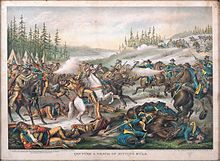
Capture and Death of Sitting Bull, an 1890 lithograph
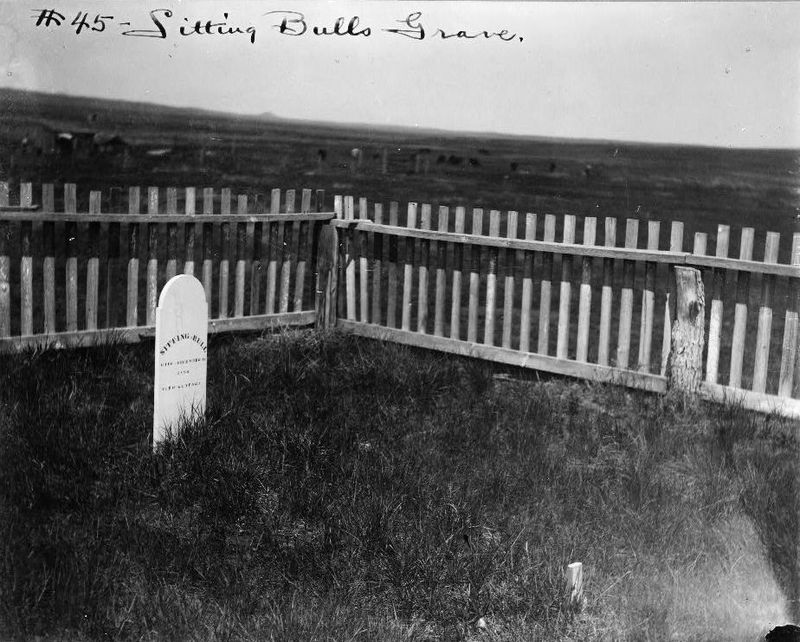
Sitting Bull’s grave at Fort Yates, c. 1906 Frank Bennett Fiske, 1883-1952, photographer. –
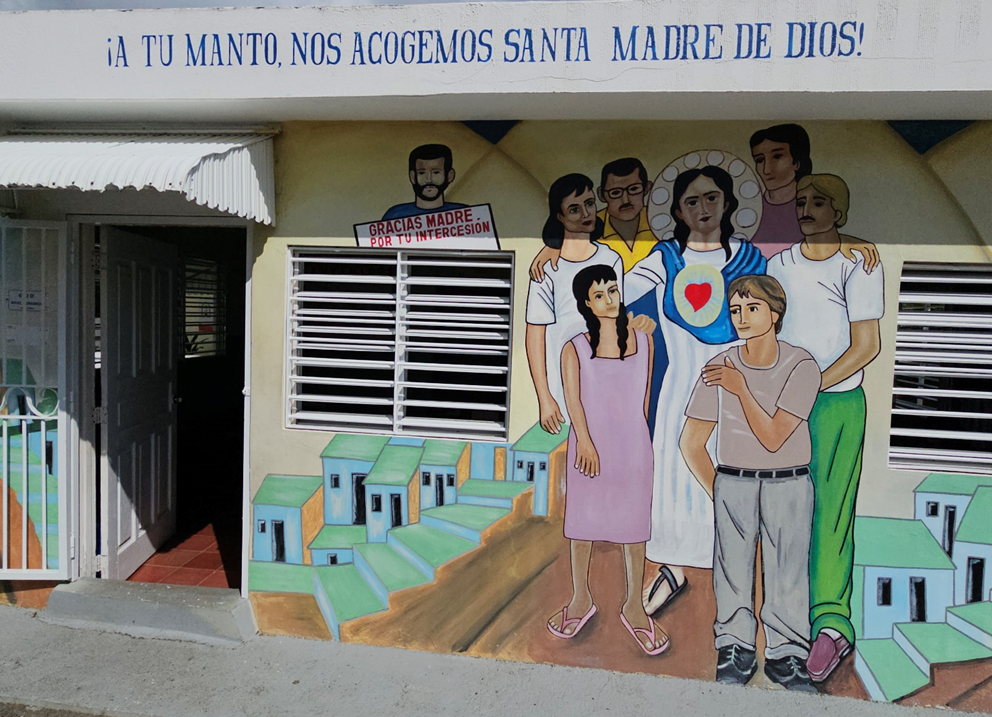
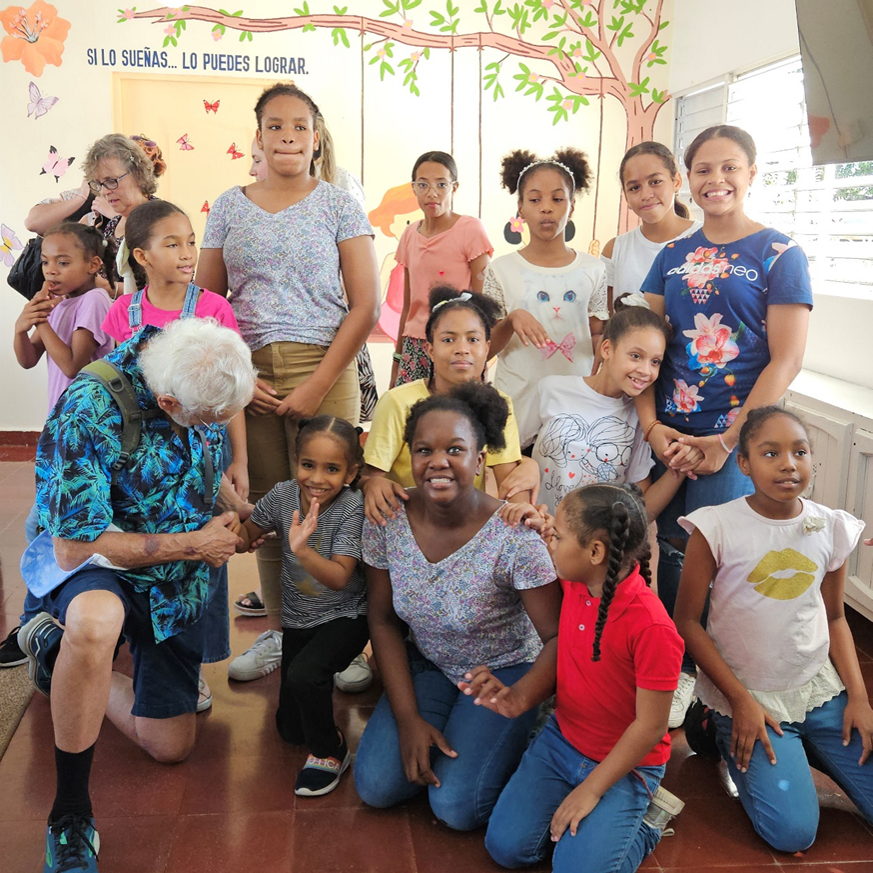
I had the privilege of touring the Casa de Alberque de Martina, a home for girls in Puerto Plata, the Dominican Republic. The home is a special place for girls who were removed from unsafe conditions and sent to the care and love of the Casa’s staff.
The Casa is supported by The Friends of the Casa de Alberque de Martina, which can be contacted via its Facebook page: https://www.facebook.com/FriendsoftheCasaAlberguedeMartina/. Please check out this group. At this point, I do not know enough about the Facebook group to give my endorsement; however, I hope you learn more about them.
The graduates of this program have obtained professional degrees as nurses and other caregivers.
You only have to look at these beautiful faces to understand how much love they give and need. It’s easy to see how they melted my heart. The girls took my hand, and I missed them already.
Thank you, Moma Maria, for bringing us here and allowing us to meet these gifts from God.
The word democracy means “rule by the people,” and empowers individuals to exercise political control over the form and functions of their government.
In a democracy, the people elect representatives to make decisions, policies, laws, etc. according to the law. Therefore, free and fair elections are a hallmark of democracy.
Democracy is a form of government in which the people vote directly against or in favor of decisions, policies, laws, etc.
In a democracy, the people meet and exercise the government in person; in a republic, they assemble and administer it by their representatives and agents.
A democracy is a form of government that empowers the people to exercise political control, limits the power of the head of state, provides for the separation of powers between governmental entities, and ensures the protection of natural rights and civil liberties.
Military Casualties
Americans have fought and died in wars to maintain our democracy. This began with the Revolutionary War and continues today with the conflict in the Middle East.
American Revolutionary War – 70,000
War of 1812 – 15,000
American Civil War – 650,000
Spanish-American War – 2,061
World War I – 116,516
World War II – 405,399
Korean War – 36,574
Vietnam War – 58,220
War in Afghanistan – 2,235
Iraq War – 4.492
Total Killed in Defense of Democracy – 1,360,497
Sacrifice and Voting
Over 1.360 million men and women died to protect our freedom. However, according to the Pew Research Center, only 37% of eligible citizens voted in all three elections (2018, 2020, and 2022). Thirty percent did not vote in any of the three elections. White adults without a college degree strongly prefer Republican candidates and vote at lower rates than those with degrees. Although 63% of eligible citizens voted in all three elections, only about half of Democrats and Republicans voted in all three elections. Assuming a winning percentage of 51%, a president could be elected with only 32% of the eligible citizens. This is hardly a strong endorsement for either candidate.
The Bottom Line
So, fellow citizens, if you value your freedoms (speech, religion, gun ownership, health care, etc.) and you want to honor those who died defending these freedoms, please VOTE!
As readers may know, McFarland Publishing has published two of my books. McFarland is located in West Jefferson, Ashe County, North Carolina. The county, and especially West Jefferson, are among the most devastated parts of the East Coast. I have tried to contact my friends at McFarland by email and phone without success. I call them my friends because, during our association, I have come to know many of the fine people who work there. I pray they are safe and will soon be able to provide their publications to libraries around the world.
I hope my fellow McFarland authors and their readers will join me in contributing to the recovery efforts.
Here is a list of organizations you can donate to:
World Central Kitchen: When there is a disaster, Chef José Andrés is there with his teams to set up kitchen facilities and start serving thousands of meals to victims and responders. You can help by donating on their website.
There are also many other organizations providing specialty care and assistance:
All Hands and Hearts: This volunteer-based organization works alongside residents to help by rebuilding schools, homes, and other community infrastructure. It has a Helene fund started.
Americares: Americares focuses on medical aid, helping communities recover from disasters with access to medicine and providing personal protective equipment and medical supplies. To help Hurricane Helene victims, Americares has set up a donation page.
CARE: Provides relief through emergency cash assistance to families in underserved communities. Donate to their Helene fund on their website.
Direct Relief: Direct Relief brings long-term medical aid specifically needed by local officials and agencies. The organization has just made more than $74 million in medicines and medical supplies available for healthcare providers in the path of Hurricane Helene, according to an email. You can donate to their general fund or choose Hurricane Helene Response in the dropdown on their donation page.
Global Giving: This disaster relief charity provides immediate aid after emergencies to people, animals, and front-line workers and helps displaced families, but also addresses long-term assistance with a focus on local organizations Donate to its Helene Ida fund on their website.
Save the Children: This organization works to get child-focused supplies into the hands of families hardest hit by the storm including hygiene kits, diapers, and baby wipes as well as classroom cleaning kits to schools and assistance in restoring child care and early learning centers. Donate to the Children’s Emergency Fund.
Let me close with a poem by our very dear friend, Susan Avery.
The eye of the storm …
It’s been hours, the noise is deafening. You are in your “safe place,” crouching in the bathtub. One arm around your poor traumatized dog, the other clutching a flashlight. In the midst of chaos you need a light, to assure yourself that all will be well …
Suddenly, you realize it’s quiet. Eerily, so, very quiet. You switch on the news and the weatherman, with a raspy voice, who has been talking nonstop for hours, announces that You are in the eye. He gives you a timeframe for the eye to pass. Warning that the worst is coming once it does. It will come quickly.
You stretch, leave your little sanctuary and open the door. It’s so peaceful. The sky is clear, The dog finds her way out, locates a small patch of grass not covered by debris or flooded. Then you hear voices, your neighbors.
“You ok? “Your house?” Everyone ok?” Then, as if someone has given a clue, everyone turns, grabs their pets and retreats inside.
You do a pee, wash your face, grab a drink, change your sweaty, dog drooled clothes, check windows, doors, then retreat to your “safe space.”
You wait … and then with a noise of 100 jet engines, it’s back.
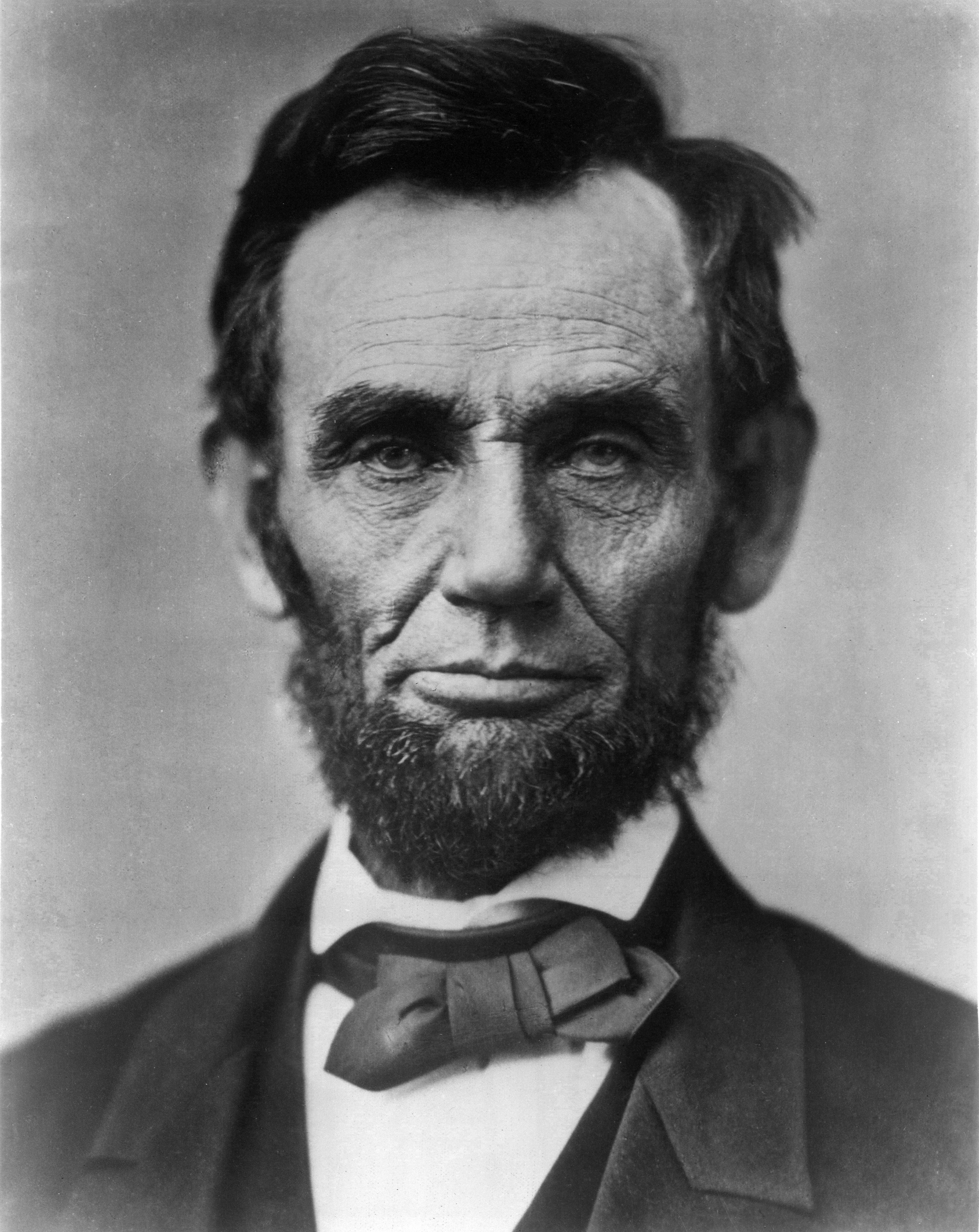
On November 6, 1860, Abraham Lincoln said that elections were like “‘big boils’ – they caused a great deal of pain before they came to a head, but after the trouble was over the body was in better health than before.”
Before the election Lincoln complained, “What is it I could say which would quiet the alarm? … Why do not uneasy men read what I have already said?”
After the election, Lincoln wrote, “This is just as I expected, and just what would happen with any declaration I could make. These political fiends are not half sick enough yet. ‘Party malice’ and not ‘public good’ possesses them entirely.” <1>
In an October 16, 1854 speech in Peoria, Illinois, Lincoln declared, “When the white man governs himself that is self-government; but when he governs himself, and also governs another man, that is more than self-government – that is despotism.”
In an August 24, 1855 letter to Joshua Speed, Lincoln wrote, “As a nation, we began by declaring that ‘all men are created equal.’ We now practically read it “all men are created equal, except Negroes.'”
Lincoln talked about liberty on September 11, 1858, in an Edwardsville, Illinois speech. “What constitutes the bulwark of our liberty and independence? Our reliance is the love of liberty which God has planted in our bosoms. Our defense is the preservation of the spirit which prizes liberty as the heritage of all men, in all lands, every where.”
In a November 19, 1858 letter to Henry Asbury Lincoln declared, “The fight must go on. The cause of civil liberty must not be surrendered at the end of one, or even one hundred defeats.”
In a speech to senators and representatives from slave-holding border states on July 12, 1862, President Lincoln said, “Our country is in great peril, demanding the loftiest views and boldest action to bring its speedy relief.”
Lincoln wrote in a May 17, 1859 letter to Theodore Canisius, “Understanding the spirit of our institutions to aim at the elevation of man, I am opposed to whatever tends to degrade them.”
During a speech at the Young Men’s Lyceum of Springfield, Illinois on January 27, 1838, Lincoln said “If destruction be our lot, we must ourselves be its author and finisher. As a nation of freemen, we must live through all time, or die by suicide.”
On November 20, 1860, at Springfield, Illinois, Lincoln advised, “Let us at all times remember that all American citizens are brothers of a common country, and should dwell together in the bonds of fraternal feeling.” <2>
I think that Lincoln’s words are especially significant as we consider the upcoming election.
Notes:
<1> Erik Larson, The Demon of Unrest, Crown Books.
<2> John D. Wright, ed., The Oxford Dictionary of Civil War Quotations, Oxford University Press.
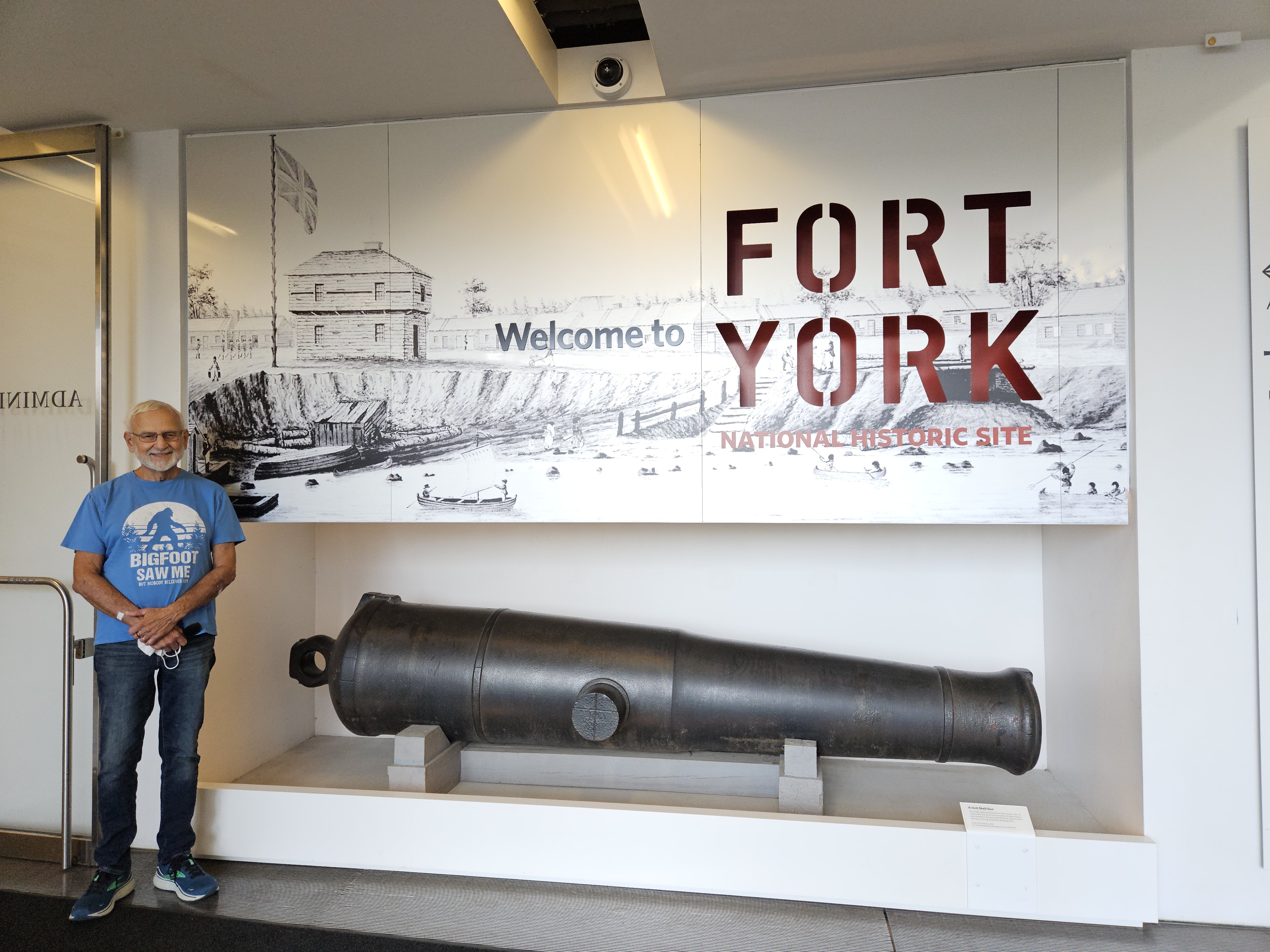
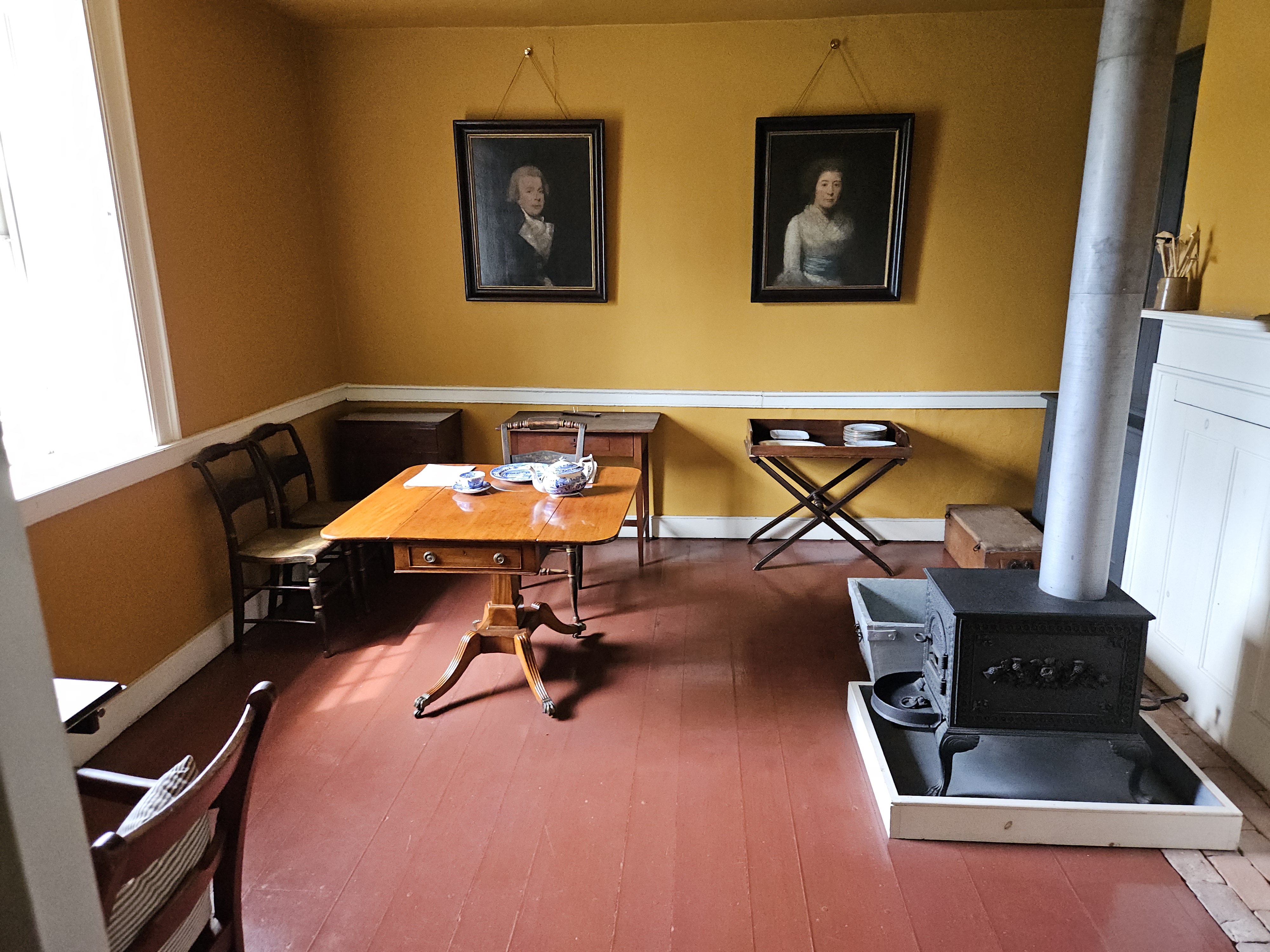
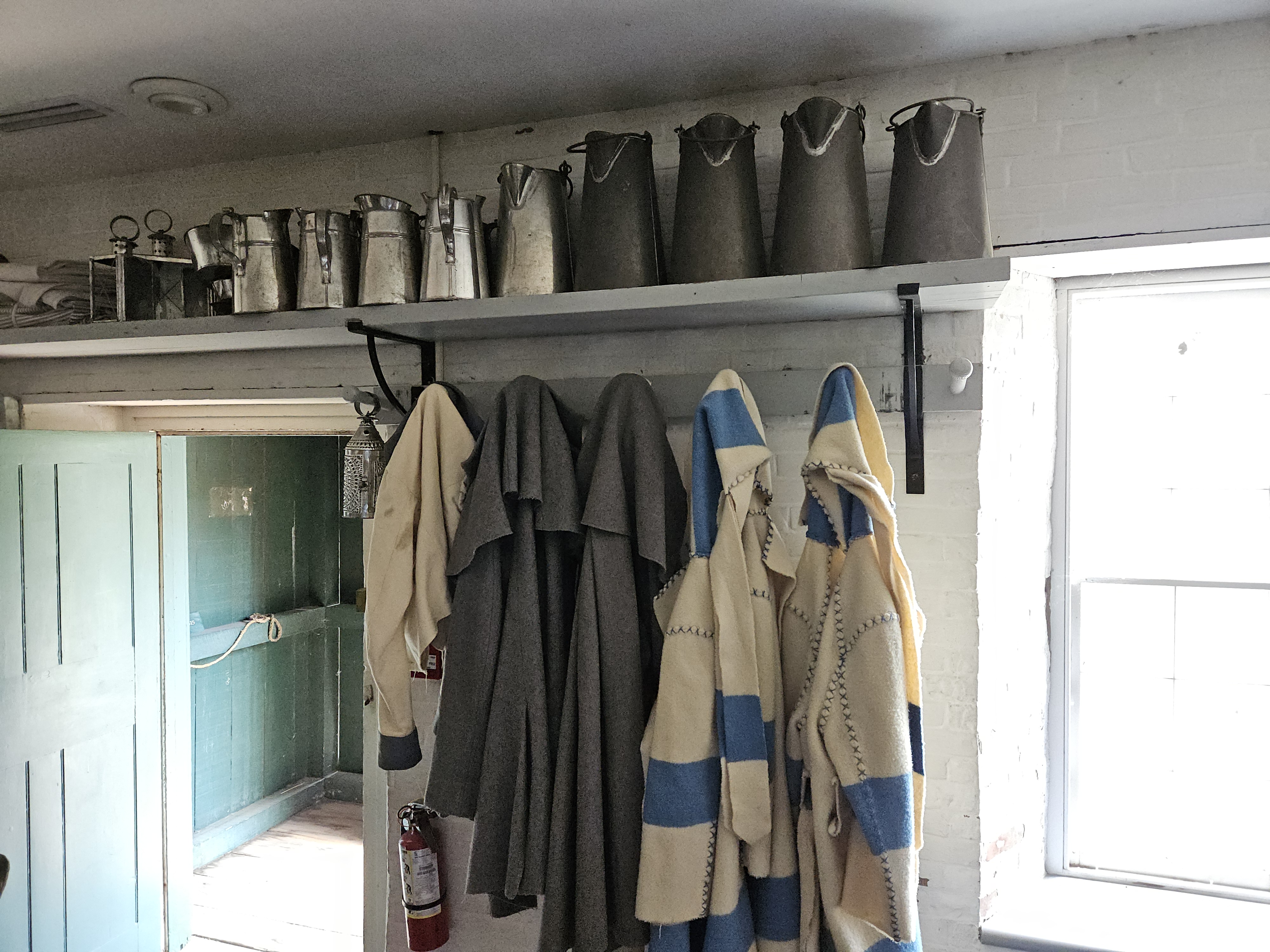
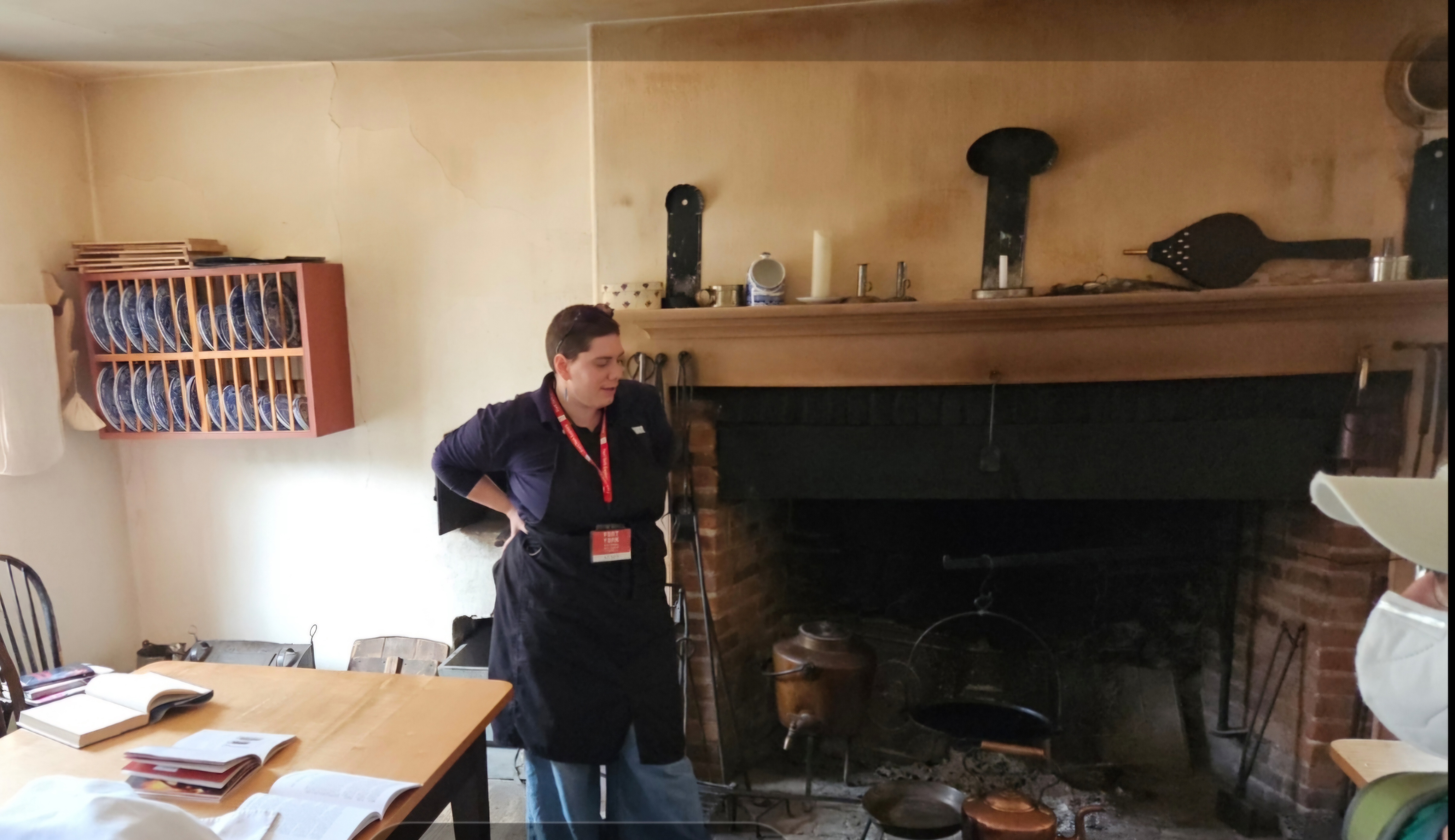
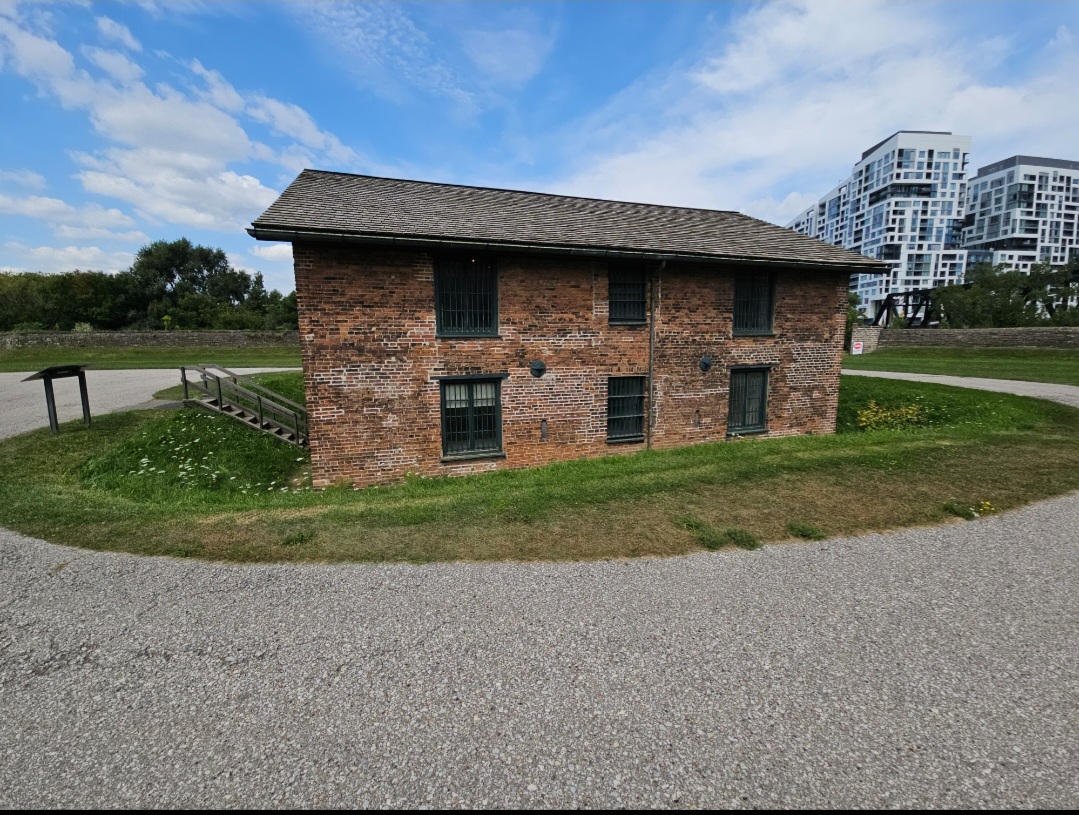
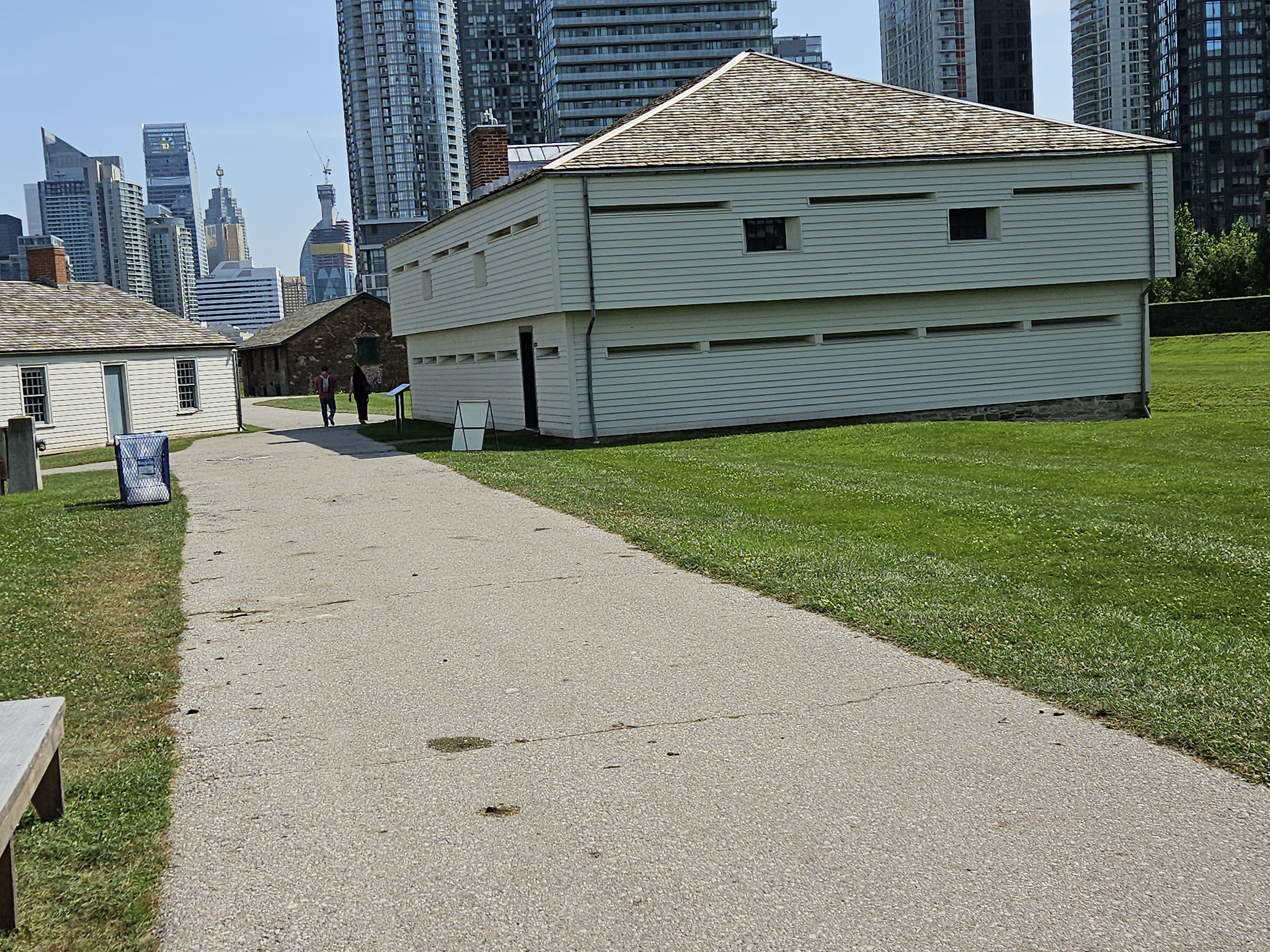
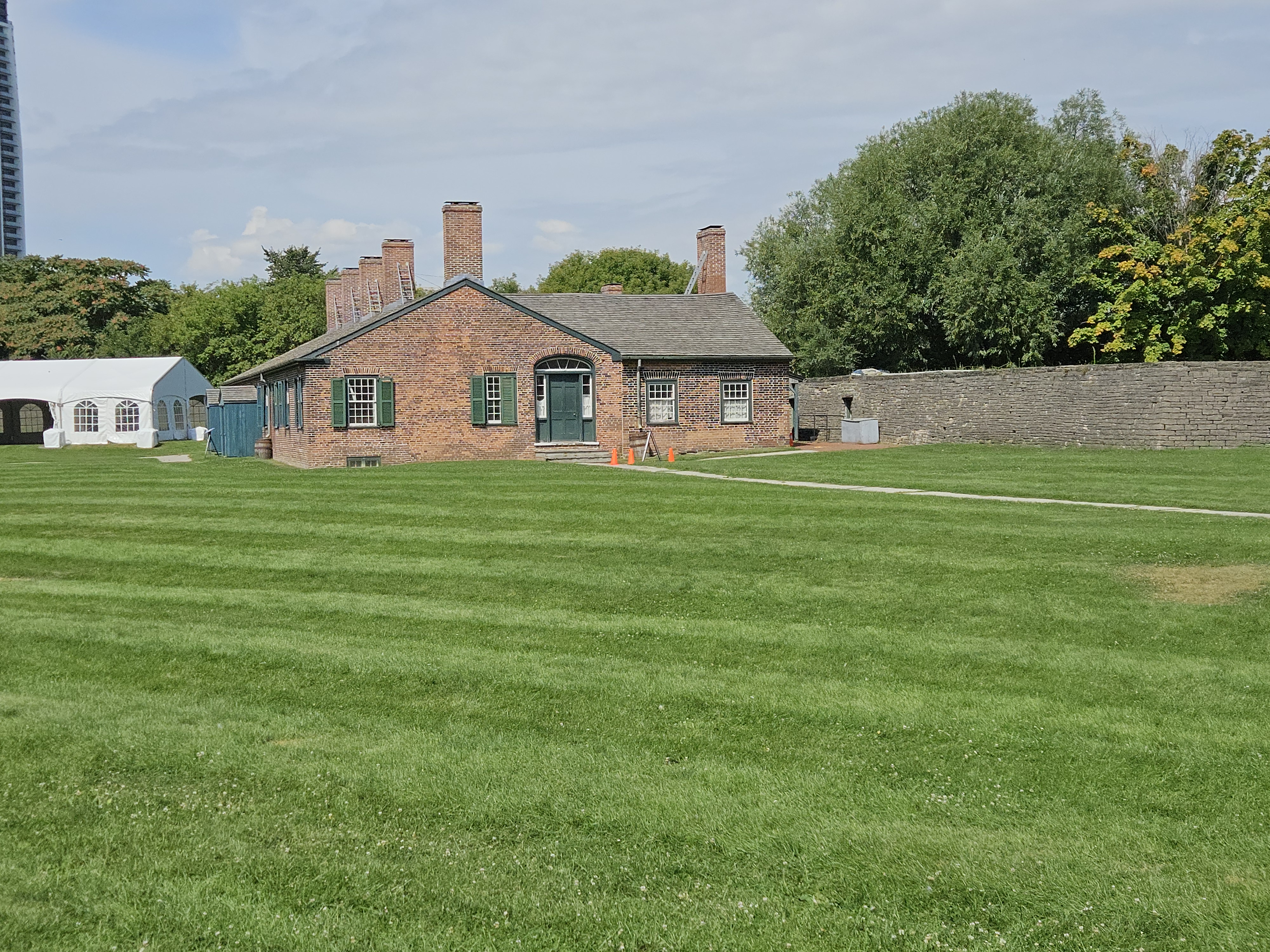
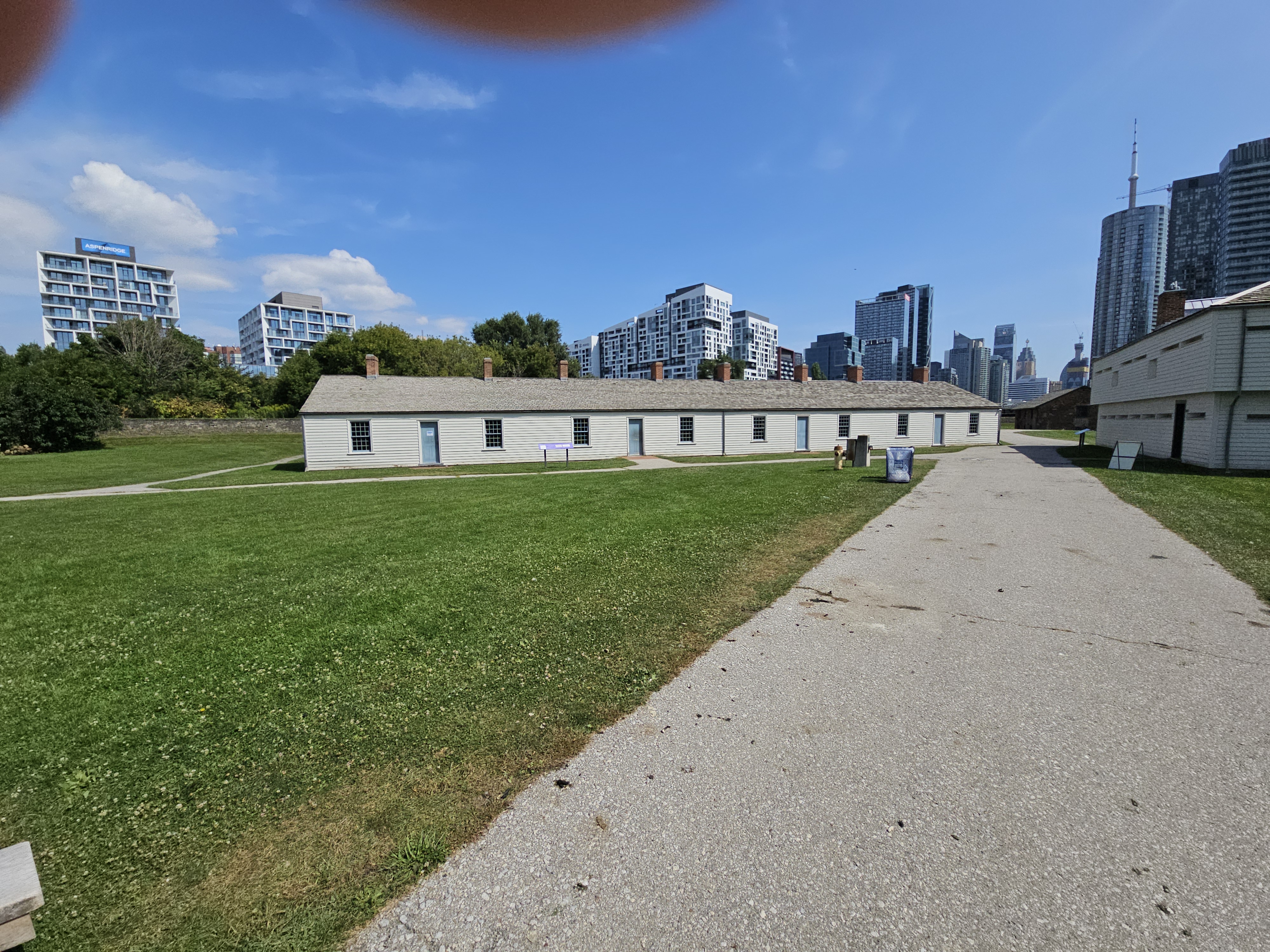
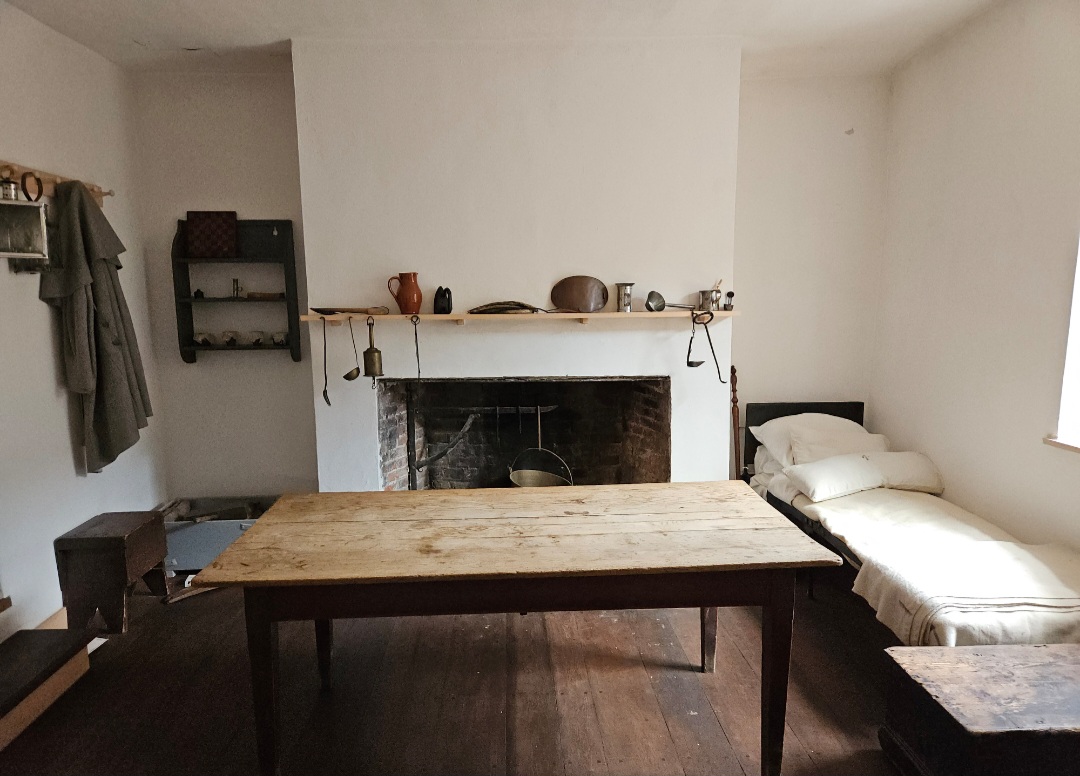
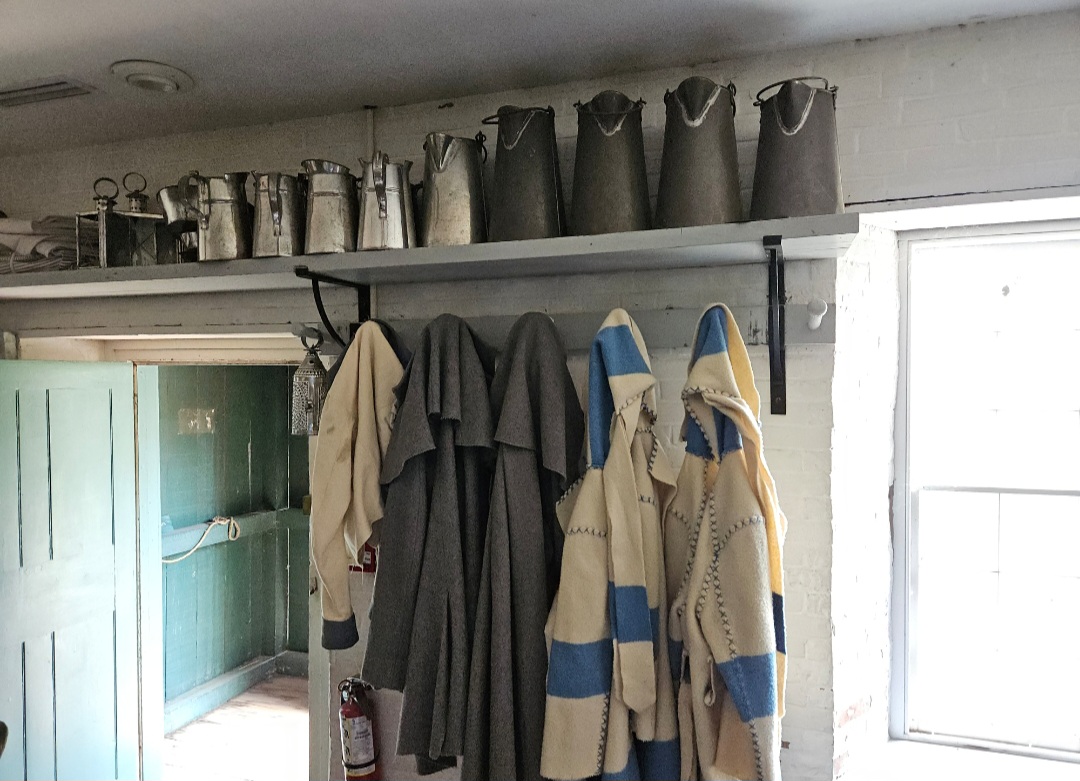
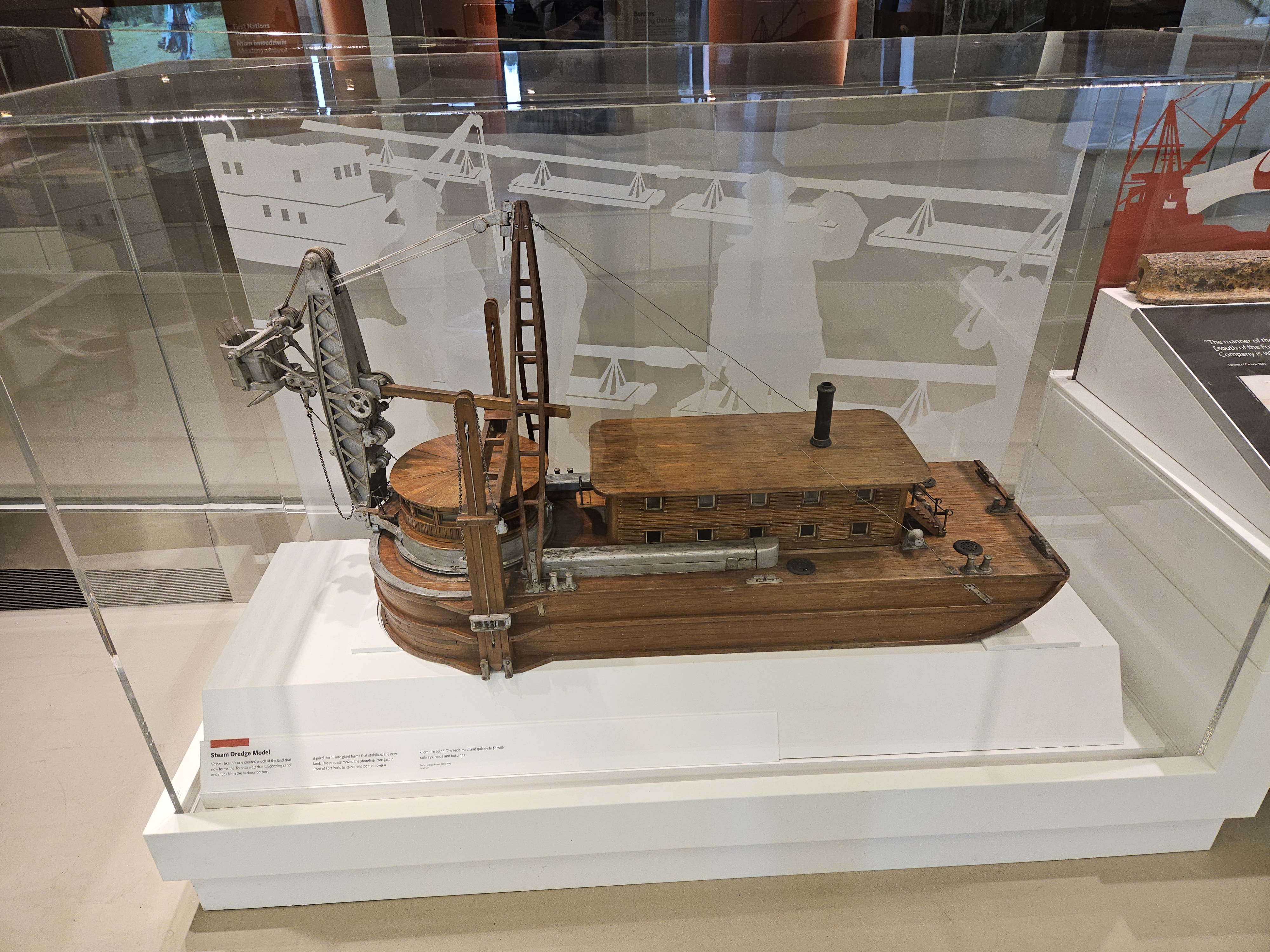
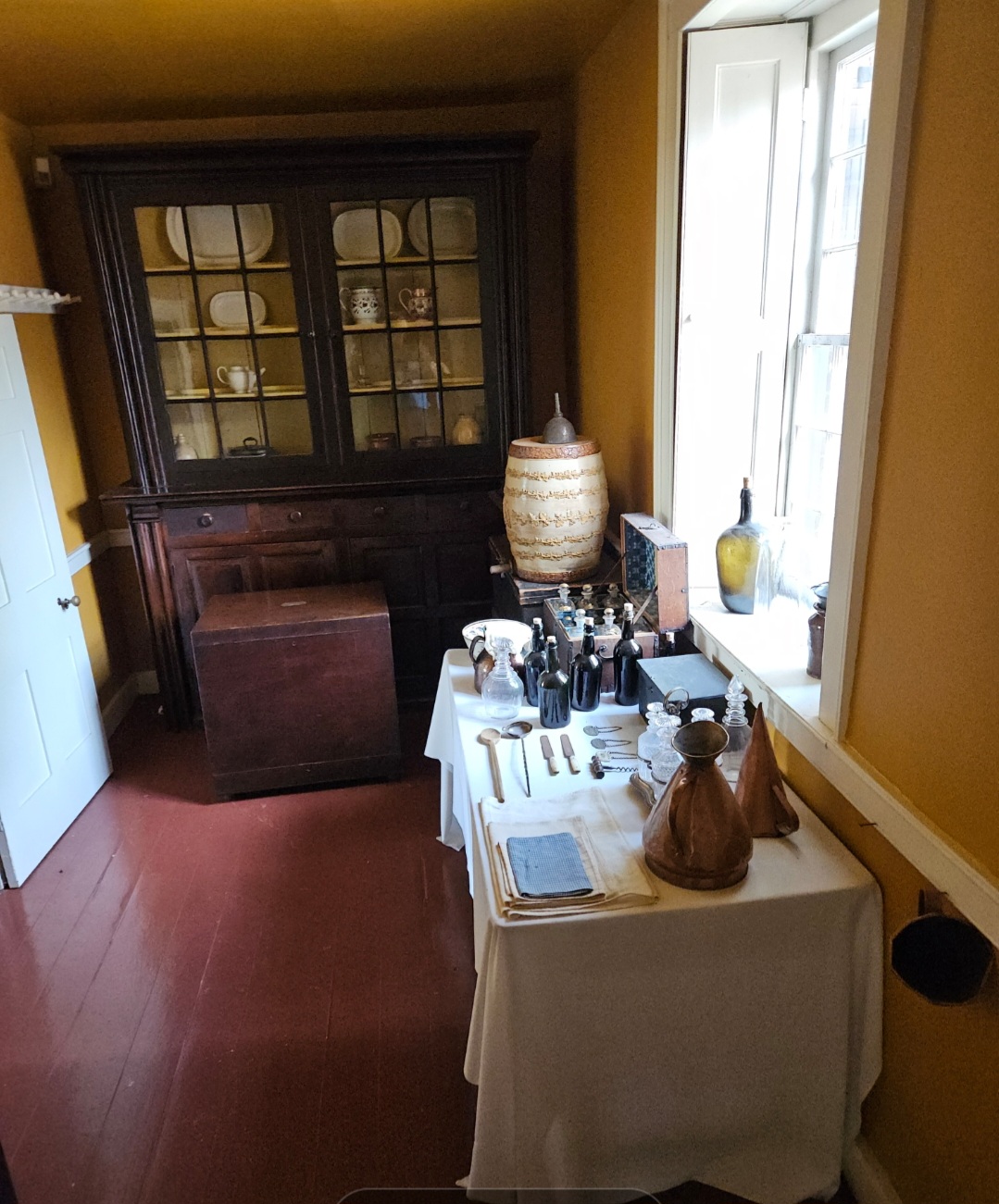
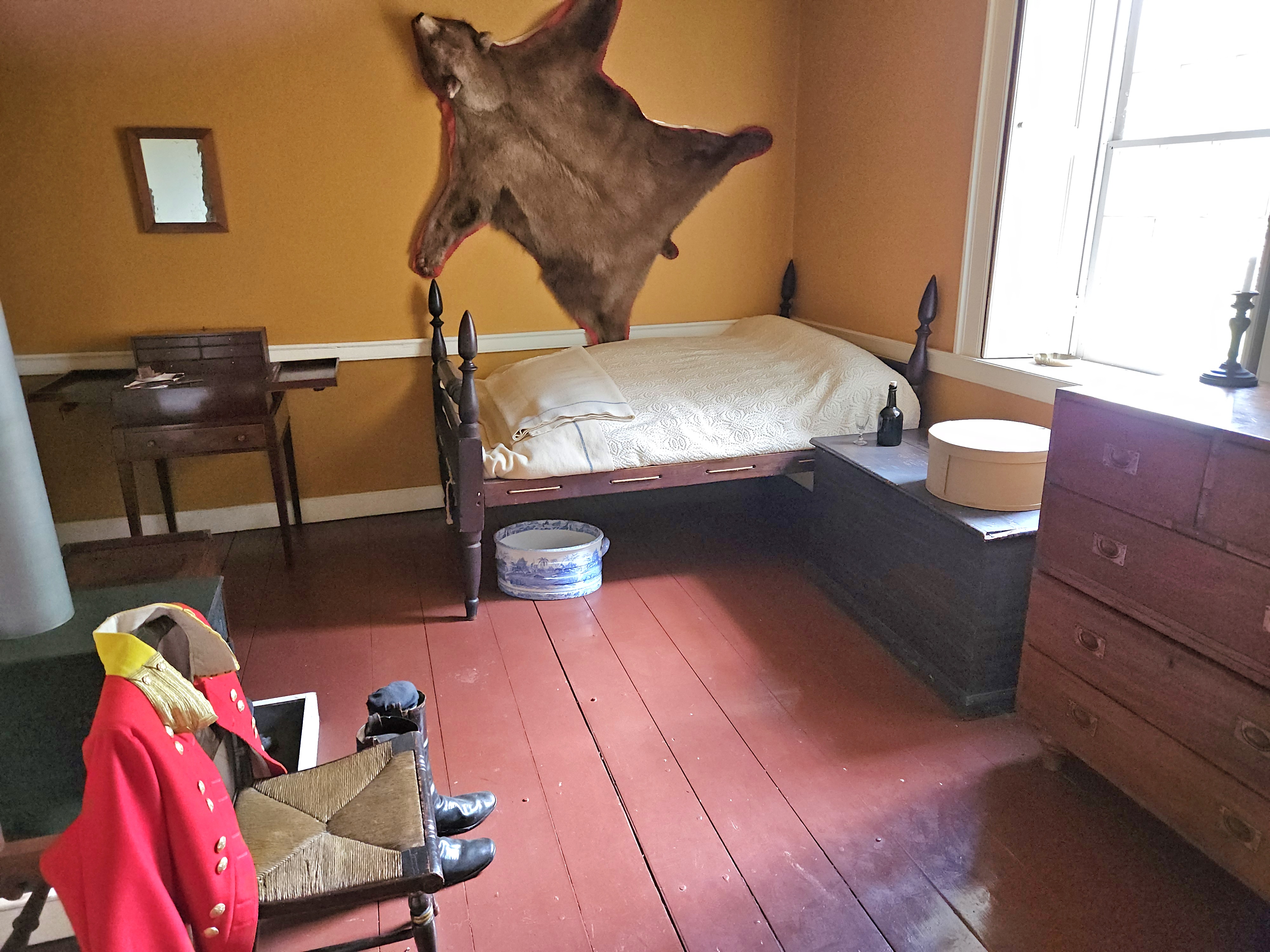
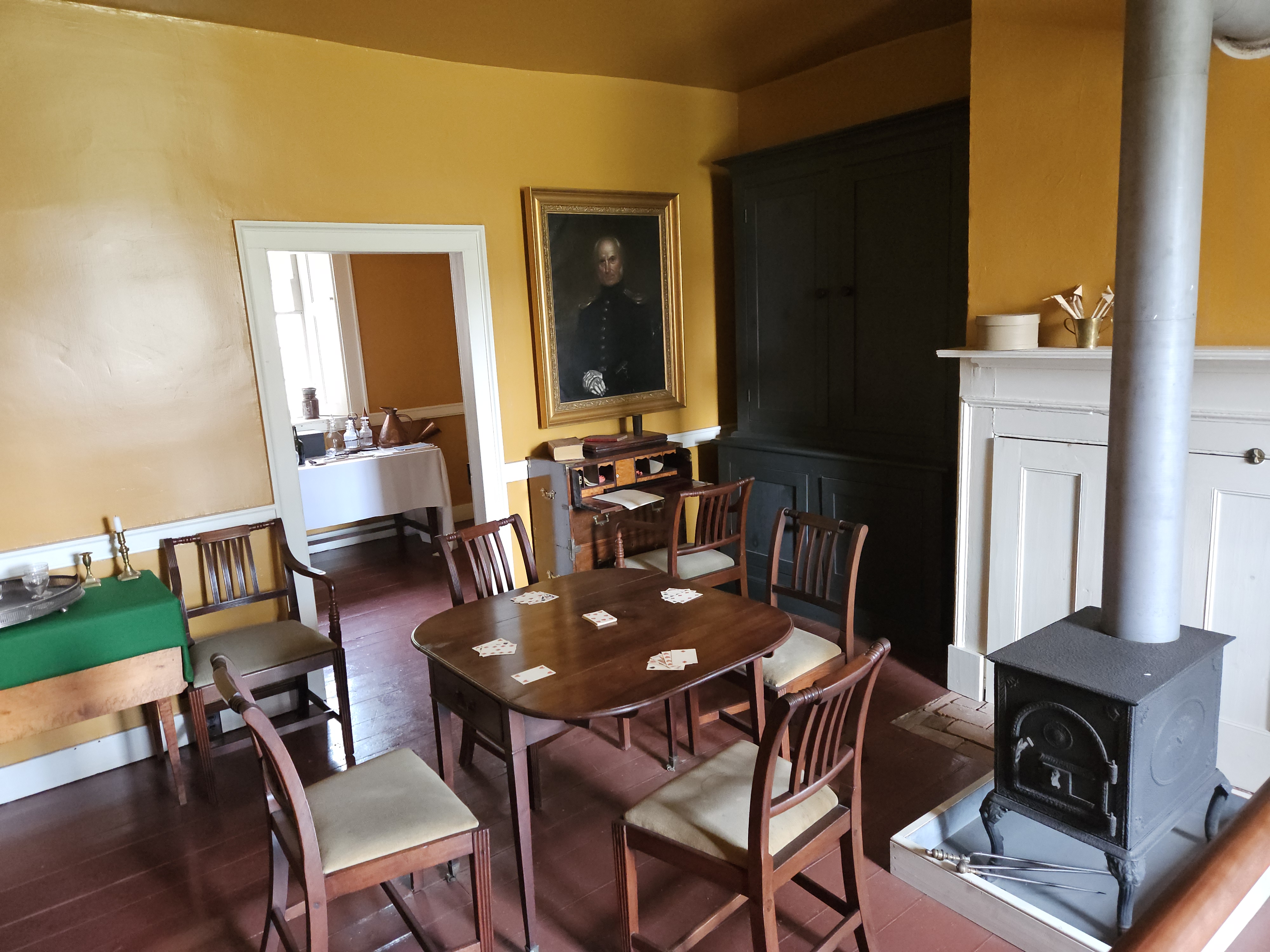
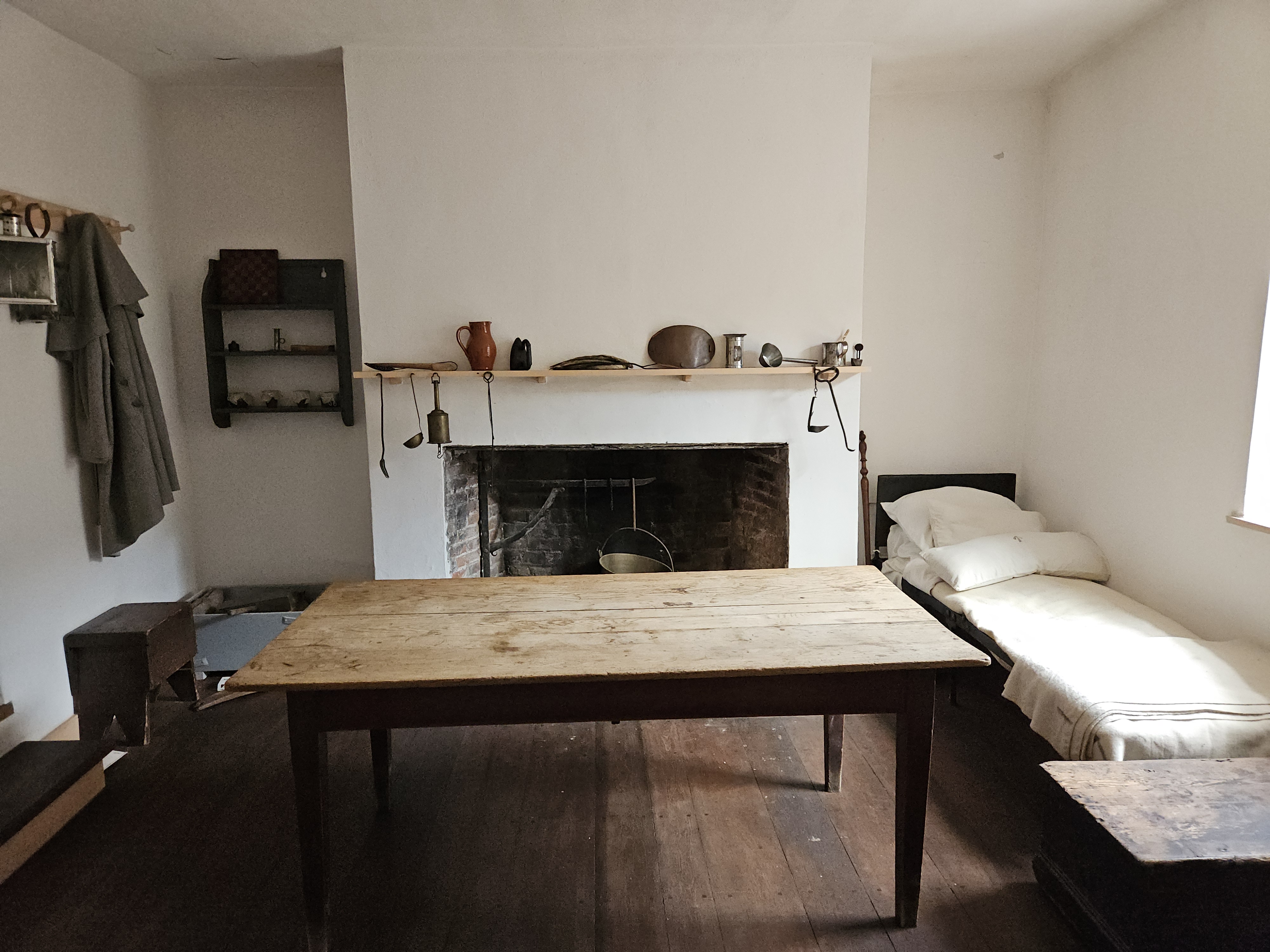
Fort York is an early 19th-century military fortification in Toronto, Ontario, Canada. It was used to garrison British and Canadian soldiers and defend the Toronto Harbor entrance. The fort contains stone-lined earthwork walls and eight historical buildings, including two blockhouses. It is part of Fort York National Historic Site, a 41-acre site that includes the fort, Garrison Common, military cemeteries, and a visitor center.
The fort was developed from a garrison established by John Graves Simcoe in 1793. British-American tensions resulted in additional enhancements to the fort, and it was designated as an official British Army post in 1798. The original fort was destroyed by American forces following the Battle of York in April 1813. Work to rebuild the fort began later in 1813 over the remains of the old fort and was completed in 1815. The rebuilt fort served as a military hospital for the remainder of the War of 1812, It also defended against an American naval vessel in August 1814.
Fort York remained in use with the British Army and the Canadian militia despite the opening of New Fort York to the west in the 1840s. In 1870, the property was formally transferred to the Canadian militia. The municipal government assumed ownership of the fort in 1909, although the Canadian military continued to make sporadic use of it until the end of the Second World War.
The fort and the surrounding area were designated as a National Historic Site of Canada in 1923. The fort was restored to its early-19th-century configuration in 1934 and reopened as a museum on the War of 1812 and military life in 19th-century Canada.
History
The British first examined Toronto as a potential settlement and military site during the 1780s. However, a permanent military presence was not established in Toronto until 1793, when Anglo-American relations had deteriorated. In the early 1790s, John Graves Simcoe, the lieutenant governor of Upper Canada, began to consider building a fort in Toronto as a part of a larger effort to reposition isolated British garrisons in the U.S. Northwest Territory and near the Canada–United States border to more centralized positions, and to vacate British forces from U.S. territory in an attempt to reduce tensions with the Americans. Simcoe’s decision to base a fort in Toronto was also influenced by his assessment that American forces could overrun its positions in the frontier, including its naval base in Kingston.
Simcoe selected Toronto (renamed York from 1793 to 1834) as the location of a new military garrison due to its proximity to the border and because its natural harbor only had one access point from water, making it easy to defend. Once established, Simcoe envisioned the harbor as a base where British control over Lake Ontario could be exerted and where they could repel a potential American attack from the west into eastern Upper Canada.
He also envisioned the fort serving as the center of a transportation network where British forces could be dispatched throughout the colony. Simcoe planned for the fort to be connected to a network of subsidiary fortifications along a series of east-west roads acting as an alternate transportation route to the Great Lakes, and the north-south portage route that leads to the Georgian Bay. The latter route was vital for maintaining communication with British outposts in lakes Huron, Michigan, and Superior, in the event the routes through Lake Erie and the Detroit River become cut off by the American forces however, many of the planned subsidiary forts were never built, with Simcoe unable to procure the funds needed to build them.
Original fort (1793–1813)
The first permanent British garrison was established in Toronto on 20 July 1793, when 100 soldiers from the Queen’s Rangers landed around Garrison Creek; and erected 30 cabins built from green wood on the site of the fort for wintering quarters; configured in a triangular shape similar to the present fort’s shape. Simcoe planned for Fort York to be a part of a defence complex built around the settlement’s harbour, with the fort situated north of another fortification planned at Gibraltar Point. However, his proposal to further fortify the settlement was rejected by the governor general of the Canadas, Lord Dorchester, who took the position that the money should instead be spent on improving the defences at the naval base in Kingston.
Plan for York, Upper Canada, in 1793, with Fort York, labeled along the northwest shoreline as C., guarding the entrance to York Harbour.
Simcoe continued the construction of Fort York despite the governor general’s objections. He relied on funds from the provincial treasury instead of military funds because the fort was not an official army post. By November 1793, Fort York consisted of two log barracks, a stockade, and a sawmill. Over the next year, the Queen’s Rangers built a guard house and two blockhouses near Gibraltar Point. The fort defended the harbor’s entrance, the most likely landward approach the Americans would take toward the settlement. British planners believed American forces would land west of the harbor and advance towards the settlement with the support of its naval vessels. Simcoe continued to develop York’s fortifications until the end of 1794, when he realized that York needed more armaments.
When most of the colony’s administration was relocated to York in 1796, the fort was manned by a 147-man garrison. However, Fort York’s defensive capabilities remained limited. Two other blockhouses were erected around the settlement, including one at Fort York. The blockhouse at Fort York also featured a cupola used to guide ships into the harbor.
Fort York in 1804. Most of the fort’s original structures were renovated or rebuilt at the end of the 18th century.
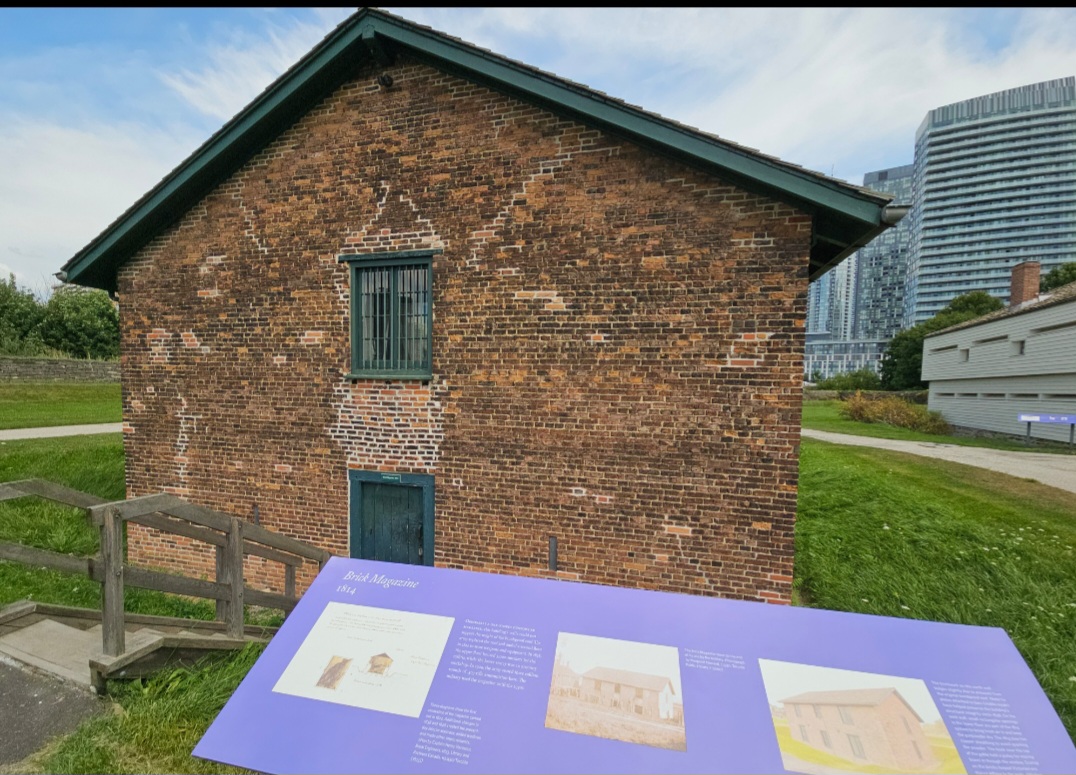
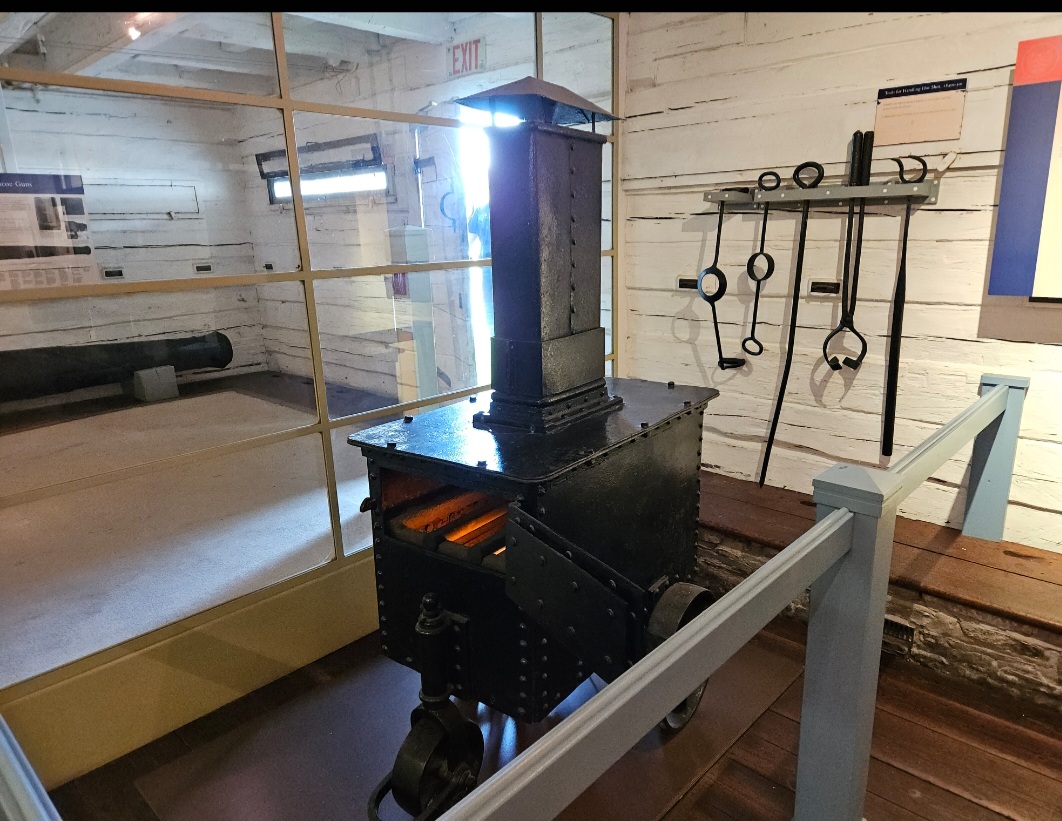
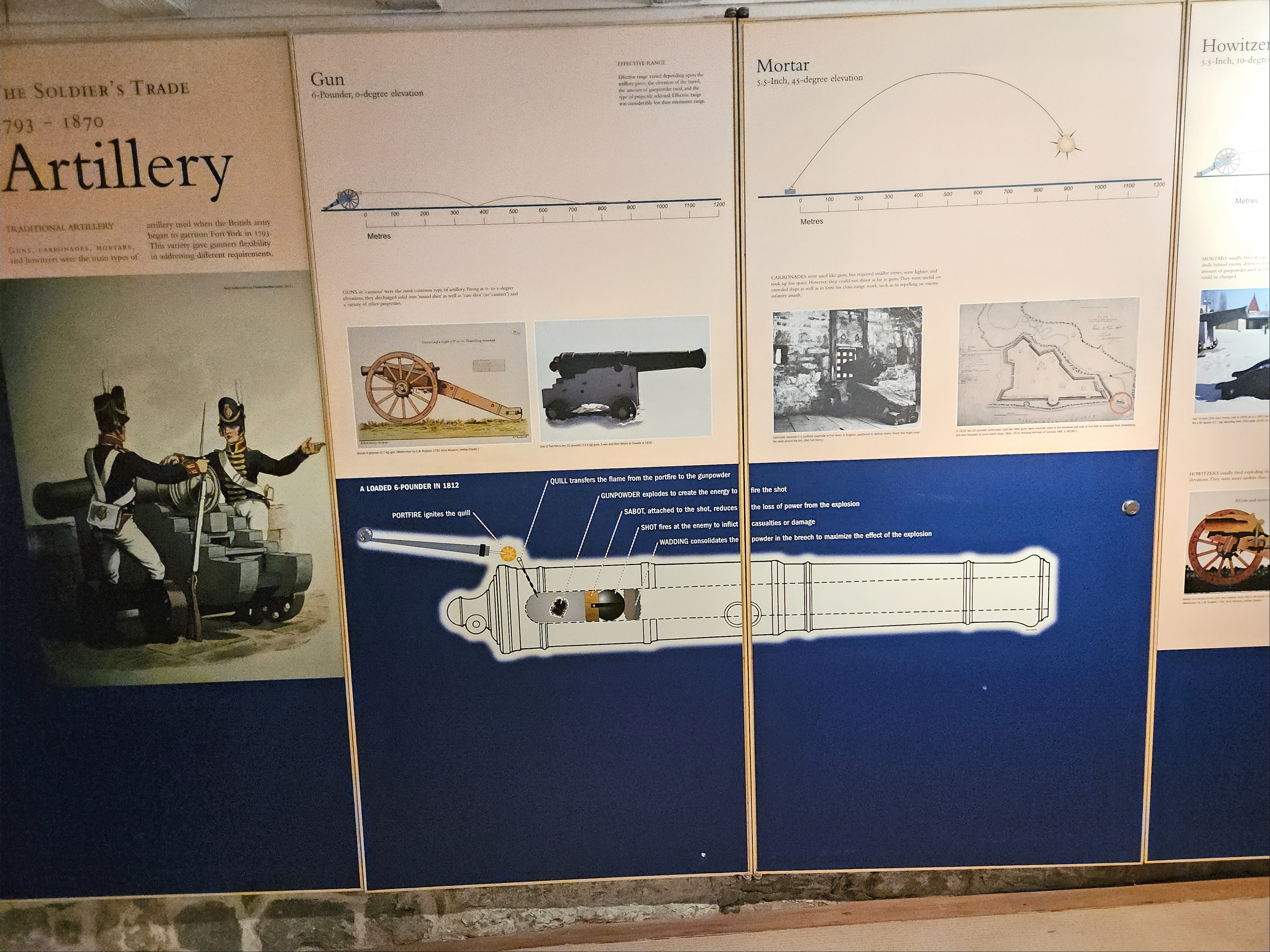
In late 1798, Fort York became an official British Army post, allowing it access to funds reserved for military use. A stockade was built around the fort. Many of its original structures were also replaced with new buildings, including barracks, carriage and engine shed, the colonial government house, guardhouse, gunpowder magazine, and storehouses. As British-American tensions increased again at the beginning of the 19th century, Major-General Isaac Brock ordered the construction of three artillery batteries, and a wall and dry moat on the western boundary of the fort. The batteries were equipped with furnaces, allowing the batteries to fire heated shot, with further 12-pounder guns placed on mobile carriages used to respond to threats outside the fixed ranges of the batteries.
Simcoe’s original proposal of using York as a naval base was also reconsidered during the early 19th century, with plans to expand the fort near Government House to accommodate a naval base. However, as the majority of the naval assets in Upper Canada were based in Kingston, the governor general of the Canadas, George Prévost, planned to make the move to York in phases.
Map of York prior to the Battle of York in 1813. The fort is visible north of the harbor’s entrance.
When news of the American declaration of war arrived at York, the regulars and military cavalry squad of the fort left for the Niagara peninsula, eventually participating in the Battle of Queenston Heights. While its garrison was deployed in the Niagara, Fort York was manned by the Canadian militia.
Battle of York
The town of York was attacked by American forces in April 1813. The attack formed the first part of Henry Dearborn’s plan to take the Canadas by first attacking York, then the Niagara peninsula, Kingston, and finally Montreal. Fort York formed a part of the settlement’s defences, which included batteries and blockhouses around the town and Gibraltar Point. After reports of approaching American ships reached the settlement, most professional troops in the area, First Nations-allied warriors, and some members of the local militia assembled at the fort.The regulars and militias stationed at the town’s blockhouse were later ordered to reassemble at Fort York once it was made apparent that no landings would occur east of the settlement.
The American naval squadron exchanged fire with the fort during the Battle of York
Most of the fighting occurred during the American landing, approximately 1.2 miles west of the fort. Canadian forces could not prevent the landings or repel the force at the western battery. The British-First Nations force retreated to the fort. American forces advanced east towards the fort, assembled outside its walls, and exchanged artillery fire with the fort. The American naval squadron also bombarded the fort. Recognizing that the battle was lost, The British commanding officer, Roger Hale Sheaffe, recognized that the battle was lost, ordered a silent withdrawal from the fort, and rigged the fort’s gunpowder magazine to explode to prevent its capture. The two sides continued to exchange artillery fire until Sheaffe’s withdrawal from the fort was complete. Because the British flag was left on the flagpole of the fort, the Americans assembling outside its walls assumed the fort remained occupied.
Death of US Brigadier General Zebulon Pike after the gunpower magazine at Fort York exploded.
The gunpowder magazine contained 74 tons of iron shells and 300 barrels of gunpowder. When the magazine exploded, a massive amount of debris was launched into the air and dropped onto the American forces outside the fort. The explosion caused over 250 American casualties, including Brigadier General Zebulon Pike. Anticipating a counterattack after the blast, American forces regrouped outside the wall and did not advance onto the abandoned fort until after British forces left York.
The fort was occupied by the American forces after the town’s surrender. During the brief occupation, members of the militia were detained in the fort for two days before being released on “parole.” The British dead were buried within the fort in shallow graves, although they were later reburied outside the fort after the Americans left. Before they departed from York on May 1, 1813, the American forces burned several buildings, including most of the structures in the fort, except its barracks.
Rebuilt Fort (1813-1932)
Map of Fort York and the settlement in 1814
Plans to rebuild the settlement’s defences, including the fort, and the surrounding blockhouses were undertaken in the second half of 1813 to defend a four-vessel squadron the Royal Navy planned to station at York’s harbour. Several structures were completed at the fort by November 1813, including the Government House Battery and the Circular Battery, each equipped with two 8 inch mortars; with another two blockhouses nearing completion. The blockhouses were also designed to act as barracks for the town’s garrison, in order to allow for the immediate garrisoning of troops in the settlement.In the following years, the forest around the fort was cleared to deprive Americans of cover in the event of another attack; and the defensive earthworks, barracks, and gunpowder magazine were rebuilt. The fort was not completed until around 1815; due to small numbers of artificer available at York, and a warm 1813–14 winter preventing the use of sleighs to transport supplies during that season.
The fort operated as a hospital centre from the latter half of 1813 to the end of the war, with the naval squadron stationed at York assisting in transporting wounded soldiers from the Niagara front to the town. On August 6, 1814, an American naval squadron arrived near York’s harbor under the suspicion that British vessels were stationed there. The squadron dispatched the USS Lady of the Lake to sail into the harbour under a white flag in a ploy to evaluate the town’s defences. However, the militia stationed in the fort shot at the vessel, resulting in the two sides exchanging fire before the Lady of the Lake withdrew back to its squadron outside the harbour. The American squadron did not attempt another attack on the fort, although remained outside York’s harbour for three days before sailing away.
Post War of 1812
Diagram of Fort York, 1816
Work on the fort stopped at the end of the war. By 1816, the rebuilt fort included eighteen buildings capable of holding a garrison of 650 soldiers. An additional 350 soldiers could also be garrisoned in military facilities adjacent to the fort. After the war, the fort continued to be a point of focus for military planners in the region, with York envisioned as an area that could provide cover for a retreat to Kingston and Lower Canada, or as a rallying point for British forces to defend the Niagara peninsula. The British also continued to use the fort to protect the north-south portage route to the upper Great Lakes.
In the decades after the War of 1812, several buildings within the fort were torn down and replaced. However, the fort’s conditions were primarily shaped by British foreign relations, as it suffered from poor maintenance during times of peace and underwent repairs and reinforcing during perceived signs of hostilities. By the early 1830s, it had become apparent that new fortifications needed to be built to replace the decaying Fort York, with a plan formally approved in 1833. Completed in 1841, New Fort York was situated 2,779 ft. west of Fort York and was initially only connected to a settlement via a pathway through Fort York. Although new fortifications were erected, the military continued to use Fort York’s batteries to help defend the harbor and the adjacent open space for drills and as a rifle range. In addition to its military uses, from 1839 to 1840, the old fort also hosted a Royal Society meteorological and magnetic observatory, before it was relocated to its permanent location at the University of King’s College campus. Plans were in place to also build three martello towers between Fort York and Gibraltar Point, although those plans were abandoned.
September 6, 2024, is National and World Book Day. That means it’s time to pick up a book and spend the day in your favorite chair, with your favorite beverage, reading a book. What better time to read one of my books, like …
The Analyst-When Professor Russell Conrad received a call to fly to Washington, he didn’t expect that he would find himself in Saudi Arabia trying to rescue the President and prevent a nuclear war. After Conrad is summoned to Washington, he finds himself on Air Force One as part of an American delegation to a secret peace conference in Saudi Arabia. President Omar Sanjar’s hopes of forming a lasting Middle East peace are shattered when the American delegation is kidnapped. Their captors’ ransom demands present a moral dilemma that threatens to plunge the Middle East into a nuclear war. Conrad’s role is transformed from CIA adviser to an agent as he tries to rescue Sanjar and warn Israel of the impending missile attack.
Teacher of Civil War Generals: Major General Charles Ferguson Smith, Soldier and West Point Commandant – From the training field at West Point to the entrenchments at Fort Donelson, Charles Ferguson Smith was the soldier’s soldier. The call of duty was a magic sound for which he was always ready to make every sacrifice. He was the very model of a soldier, calm, prudent, self-poised, and bold. During his 40-year military career, these qualities earned him the respect and admiration of his peers. However, his story is more than an account of battles fought and victories won. Through his correspondence, we discover a man who combined the qualities of a faithful officer, an excellent disciplinarian, an able commander, and a modest, courteous gentleman.
Your Affectionate Father, Charles F. Smith– Letters written to Smith’s daughter, Fanny, during his time as a colonel in the Tenth Infantry Regiment. The letters deal with the expedition to the Red River of the North in the Minnesota Territory and the match to the Utah Territory as part of the Mormon War.
Preparing for Disunion – An examination of the role of military training at the United States Military Academy at West Point in preparing officers for service in the American Civil War. The history examines the impact of the Commandant of Cadets on future generals.
The Forgotten Texas Statesman– Who was this man who 1.) Was appointed Attorney General of the Republic of Texas, 2.) Served as interim Secretary of State, 3.) Assisted in the Annexation of Texas to the United States, 4.) Elected the first elected Attorney General of the State of Texas, 5.) Obtained first railroad charter in Texas, 6.) Became a local advocate of Spiritualism, 7.) Represented engineers and inventors in their dealings with the Richmond government, 8.) Served as a civilian member of the Confederate Engineering Bureau, 8.) Died mysteriously in Richmond, Virginia, and 9.) Had a town in North Texas named after him?
The Third Rebellion is a novel about political and social unrest in the United States of America. The book is a work of fiction. The Third Rebellion is not a prediction of future events, a political manifesto, a condemnation of American society, a denunciation of a political party, or a call to action. It is a story about an American revolution or rebellion which the author created from personal observations during the past 10 years.
The Civil War and the Rise of the American Petroleum Industry The precursors, events, and legacy of the American Civil War have always been deeply intertwined with the nation’s oil and gas industry, from the discovery of oil at the Drake well in Titusville, Pennsylvania, in 1859 to the thousands of veterans who rushed into oil regions to seek their fortunes in the post-war petroleum boom. When Union oilfields became strategic military targets, the demand for kerosene increased, and when the Rebellion ended, Civil War veterans helped to spread the growth of oil exploration. New transportation and production technology saw rapid development, and new uses for petroleum products began to proliferate. This book thoroughly interrogates the relationship between the war and the development of U.S. petroleum, examining the involvement of Civil War officers and soldiers in all areas of the oil and gas industry. Illustrated with over 50 high-quality illustrations from the era, this detailed history demonstrates that while the American oil and petroleum industry existed before the Civil War, its incredible growth and longevity is owed in large part to the contributions of Civil War veterans. [Fall of 2024]
With the political season in full swing, it seemed a good time to break out the dictionary and read what the words CONSERVATIVE and LIBERAL mean.
Conservative
Conservative adj. 1. Conserving or tending to conserve; preservative. 2. tending to preserve established traditions or institutions and to resist or oppose any changes in these: as, a conservative political party, conservative art. 3. of or characteristic of a conservative; as, conservative views.
Some better-known Conservative Politicians:
Donald Trump – U.S. president
Mike Pence – U.S. vice president
Sarah Palin – Governor of Alaska
Dick Cheney – U.S. vice president
Ronald Reagan – U.S. president
Barry Goldwater – U.S. senator
Mitch McConnell – U.S. senator
George W. Bush – U.S. president
Clarence Thomas – U.S. Supreme Court justice
Ted Cruz – U.S. senator
Marco Rubio – U.S. senator
Some famous conservative quotes:
We don’t have a trillion-dollar debt because we haven’t taxed enough; we have a trillion-dollar debt because we spend too much. — Ronald Reagan
Conservatives have excellent credentials to speak about human rights. By our efforts, and with precious little help from self-styled liberals, we were largely responsible for securing liberty for a substantial share of the world’s population and defending it for most of the rest. — Margaret Thatcher
Remember that a government big enough to give you everything you want is also big enough to take away everything you have. — Barry Goldwater
I hope we have once again reminded people that man is not free unless government is limited. There’s a clear cause and effect here that is as neat and predictable as a law of physics: as government expands, liberty contracts. — Ronald Reagan
Liberal
Liberal adj. 2. giving freely; generous. 3. large or plentiful; ample, abundant: as, a liberal reward. 4. not restricted to the literal meaning; free and unconfined;’ as, a liberal interpretation of the Constitution. 5. tolerant of views differing from one’s own; broad-minded. 6. of democratic or republican forms of government, as distinguished from monarchies, aristocracies, etc. 7. favoring reform or progress, as in religion, education, etc specifically, favoring political reforms tending toward democracy and personal freedom for the individual; progressive: now sometimes distinguished from progressive, as connoting somewhat more conservatism.
Some better-known Liberal Politicians:
Franklin D. Roosevelt – U.S. president
Harry S. Truman – U.S. president
Lyndon B. Johnson – U.S. president
John F. Kennedy – U.S. president
Jimmy Carter – U.S. president
Joe Biden – U.S. president
Bill Clinton – U.S. president
Barak Obama – U.S. president
Kamala Harris – U.S. vice president
Some famous liberal quotes:
“We need to reject any politics that targets people because of race or religion. This isn’t a matter of political correctness. It’s a matter of understanding what makes us strong.” – Barack Obama
“The rights of every man are diminished when the rights of one man are threatened.” – John F. Kennedy
“We need to reject any politics that targets people because of race or religion. This isn’t a matter of political correctness. It’s a matter of understanding what makes us strong.” – Barack Obama
“Change will not come if we wait for some other person or some other time. We are the ones we’ve been waiting for. We are the change that we seek.” – Barack Obama
“A nation’s greatness is measured by how it treats its weakest members.” – Mahatma Gandhi
“The test of our progress is not whether we add more to the abundance of those who have much, it is whether we provide enough for those who have too little.” – Franklin D. Roosevelt
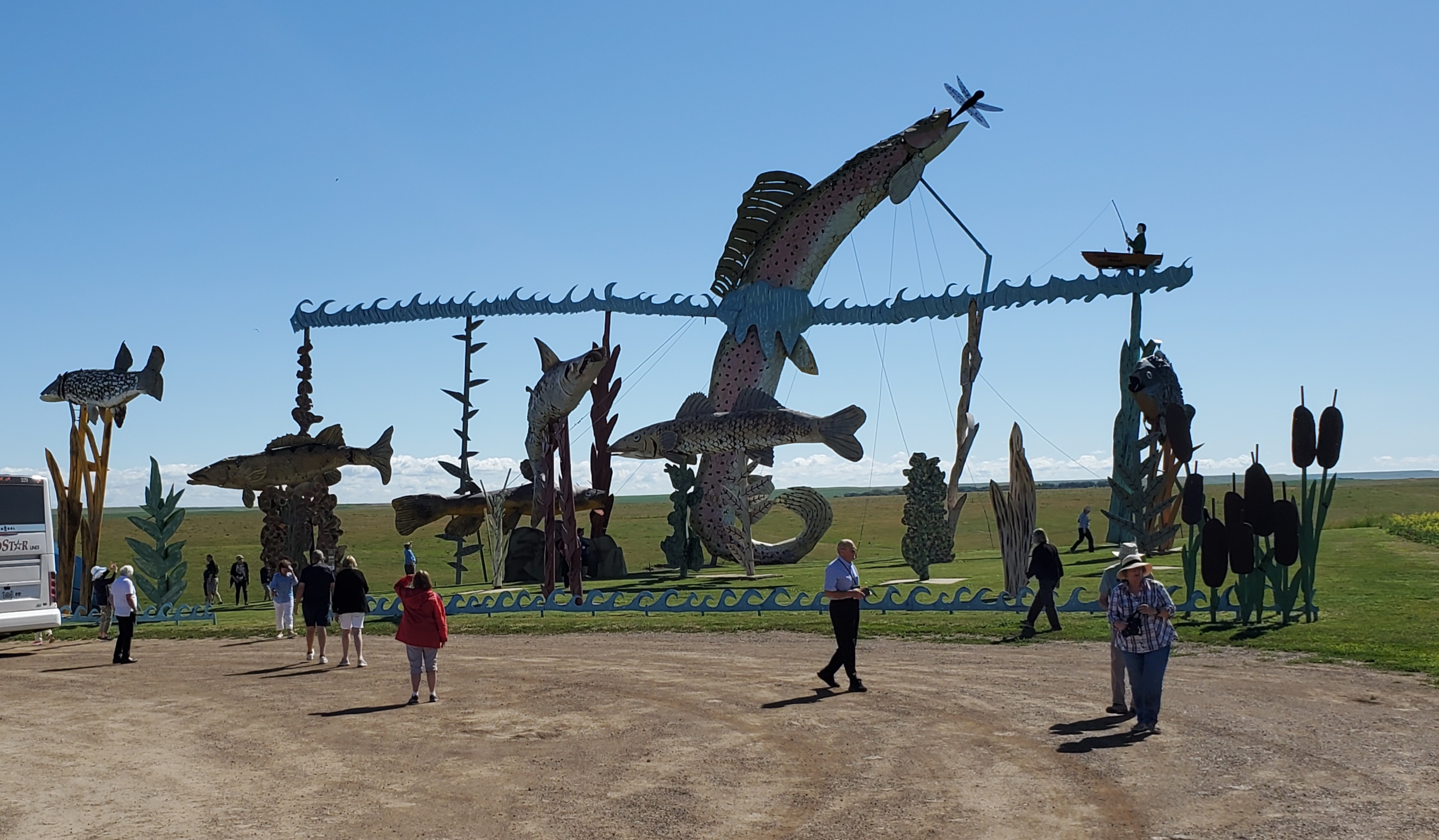
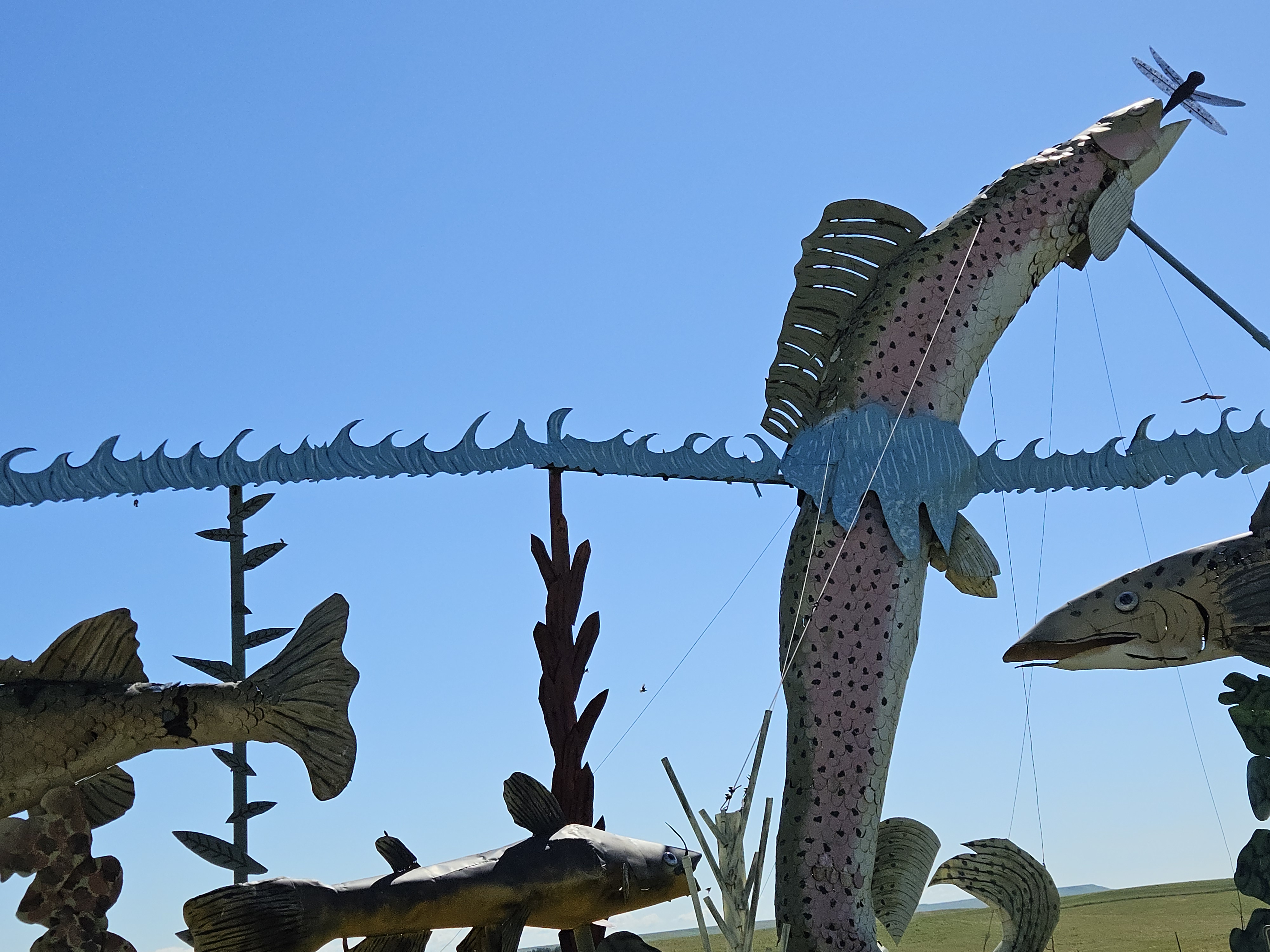
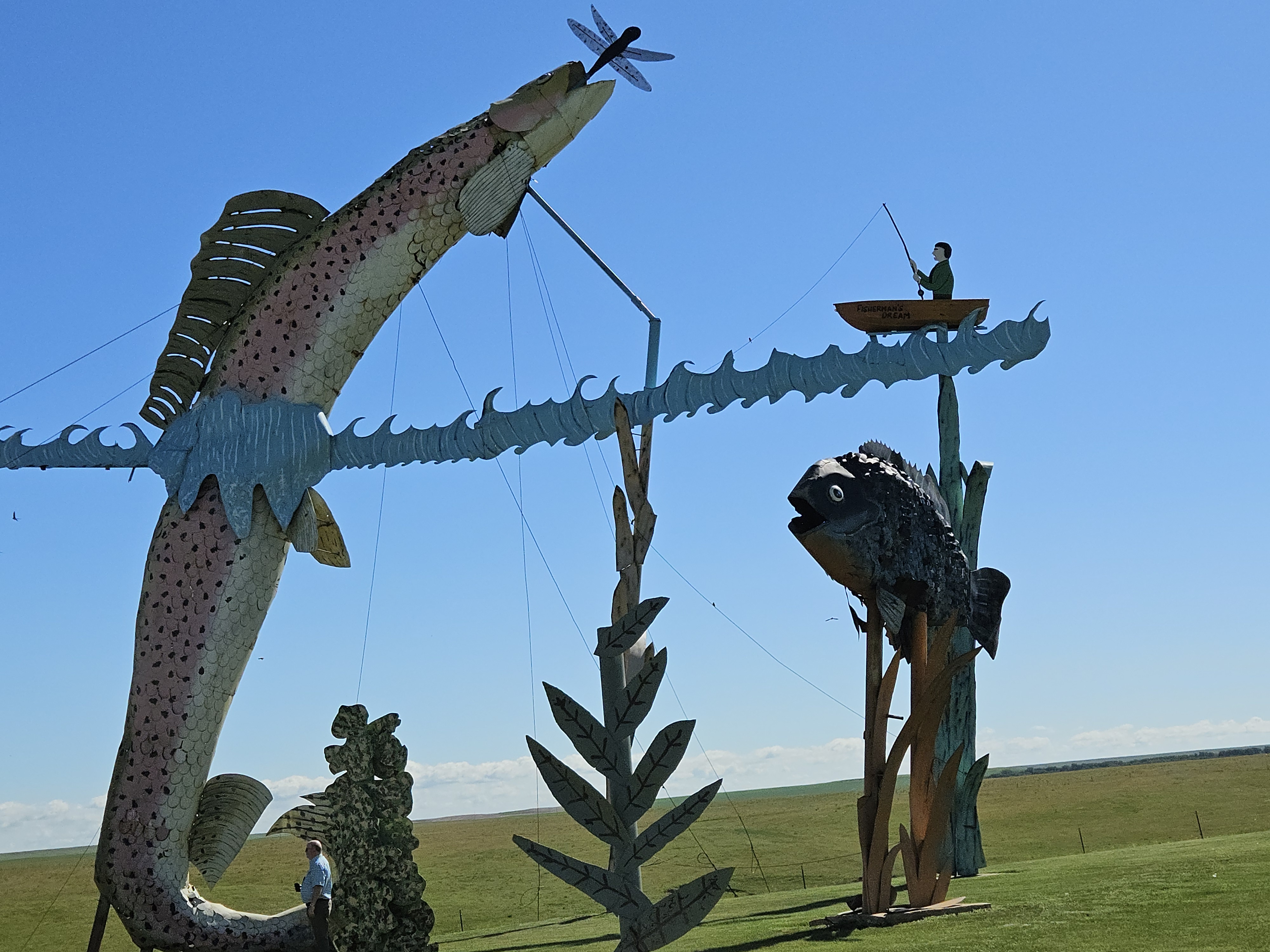
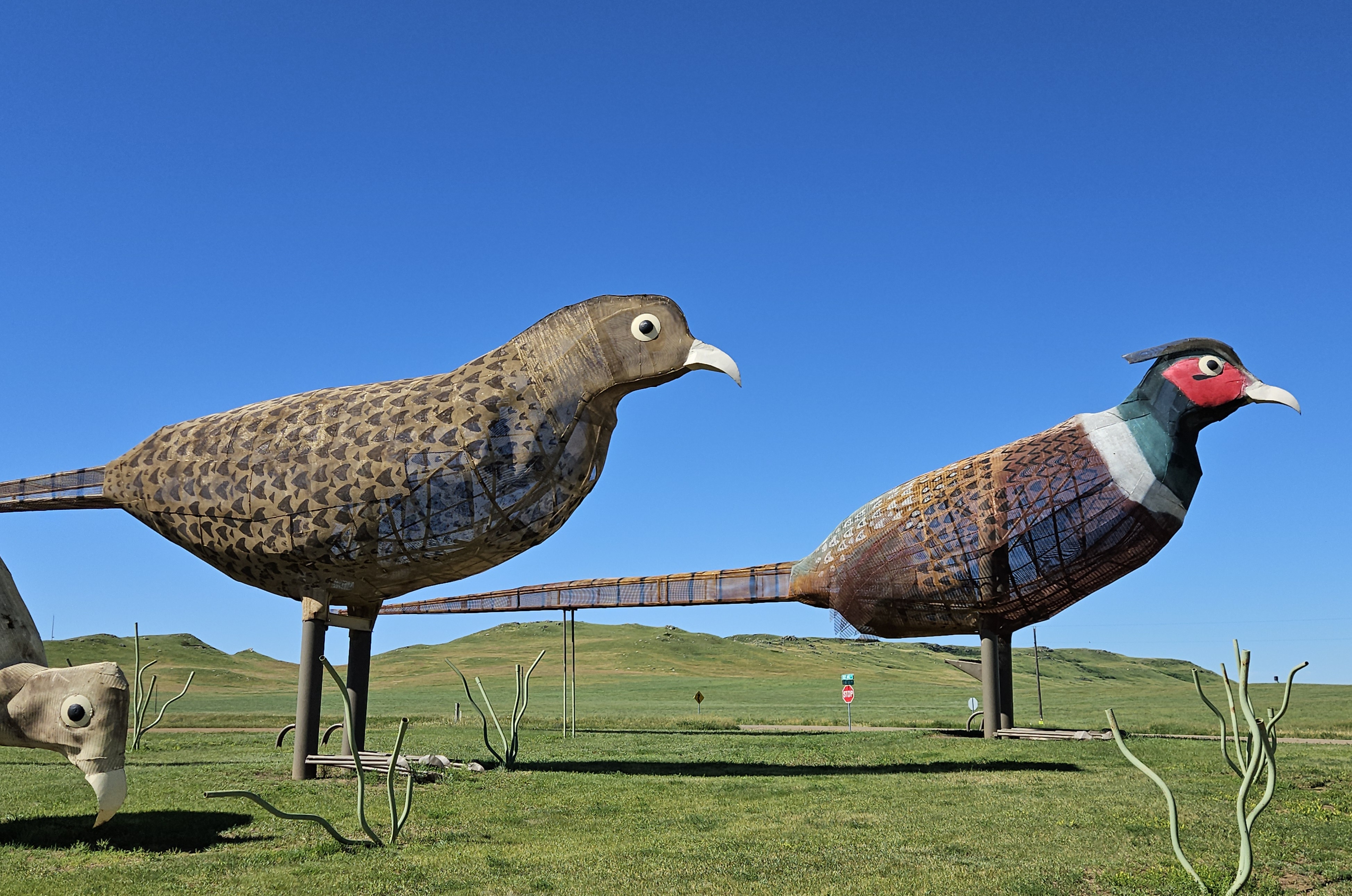
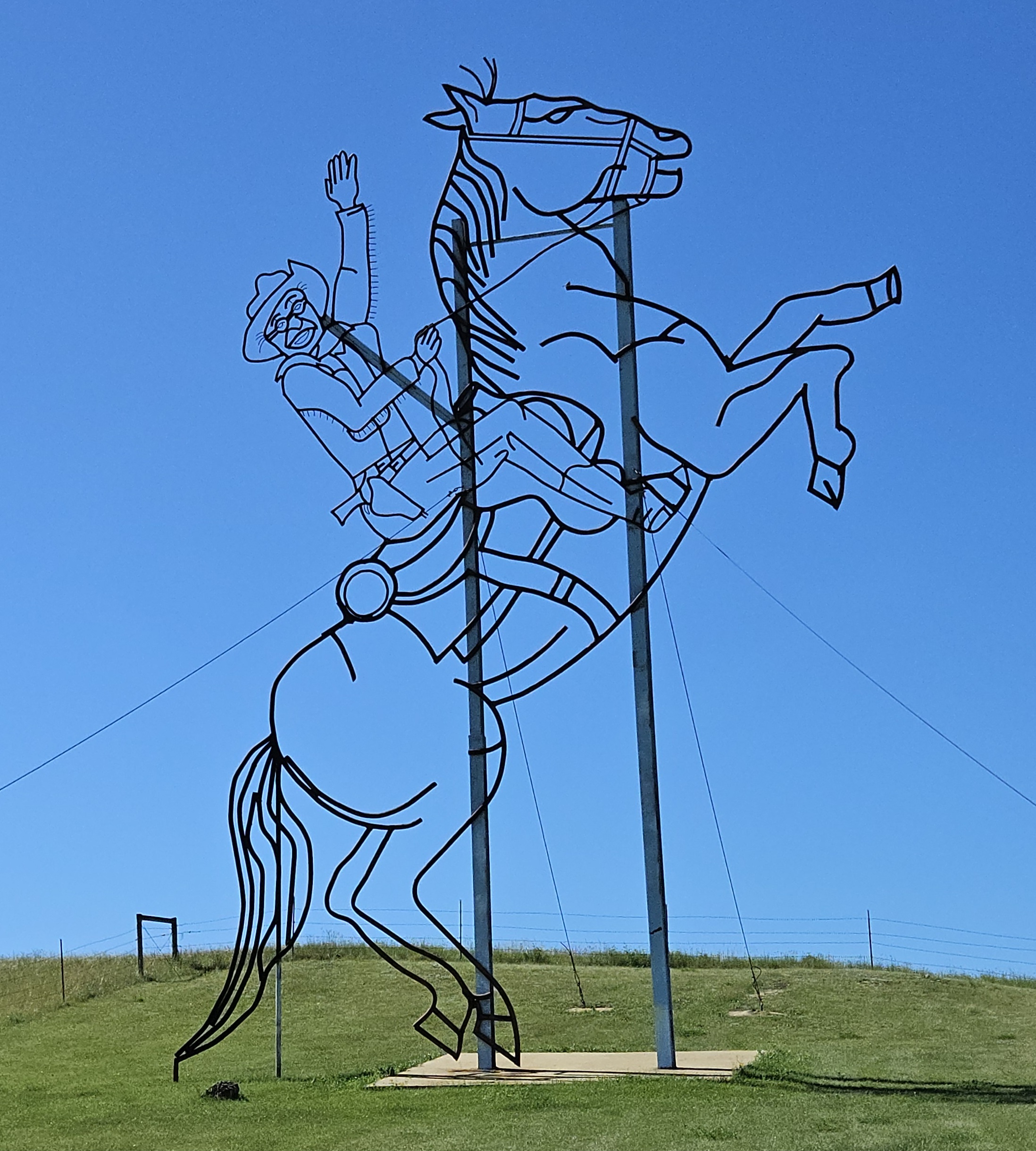
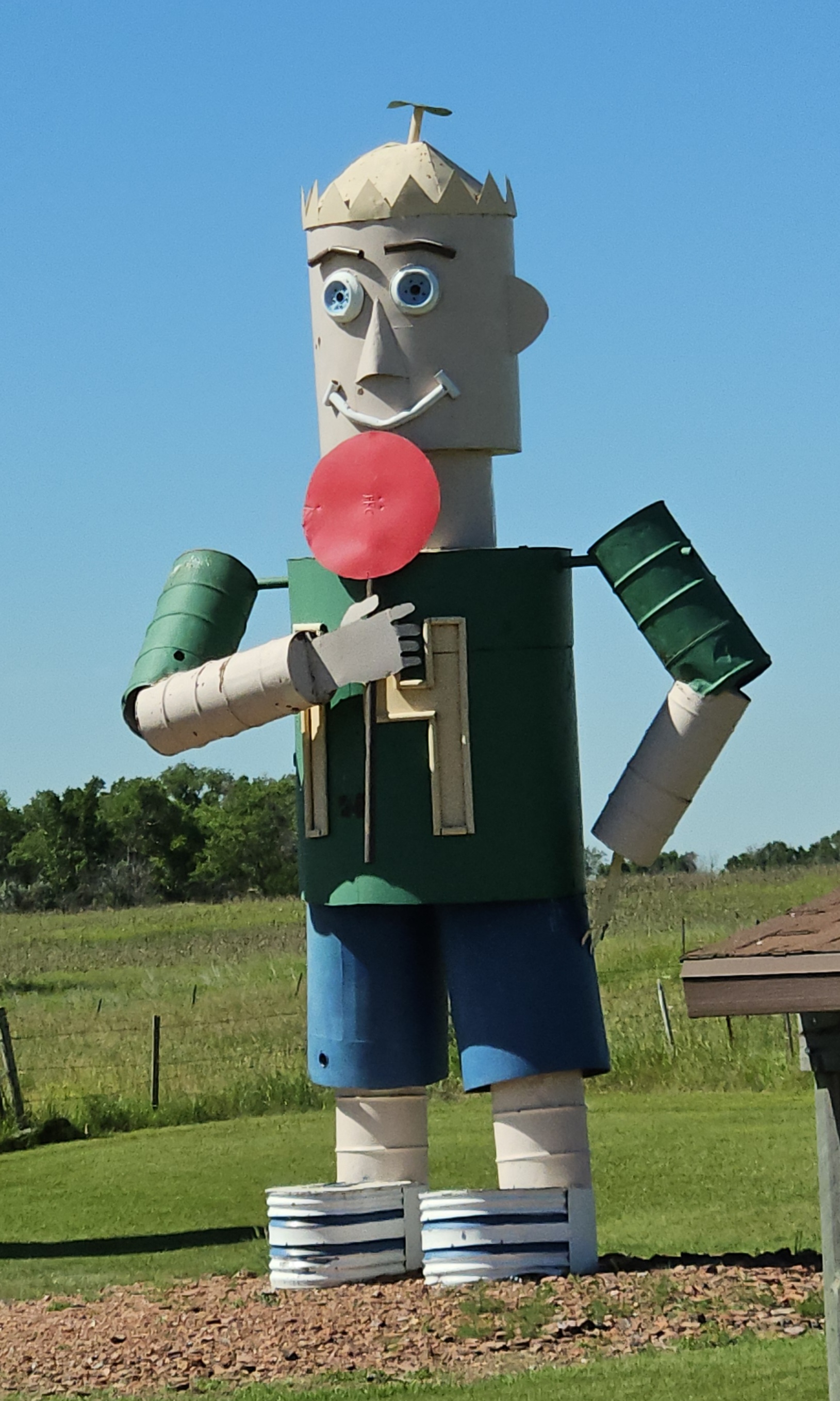
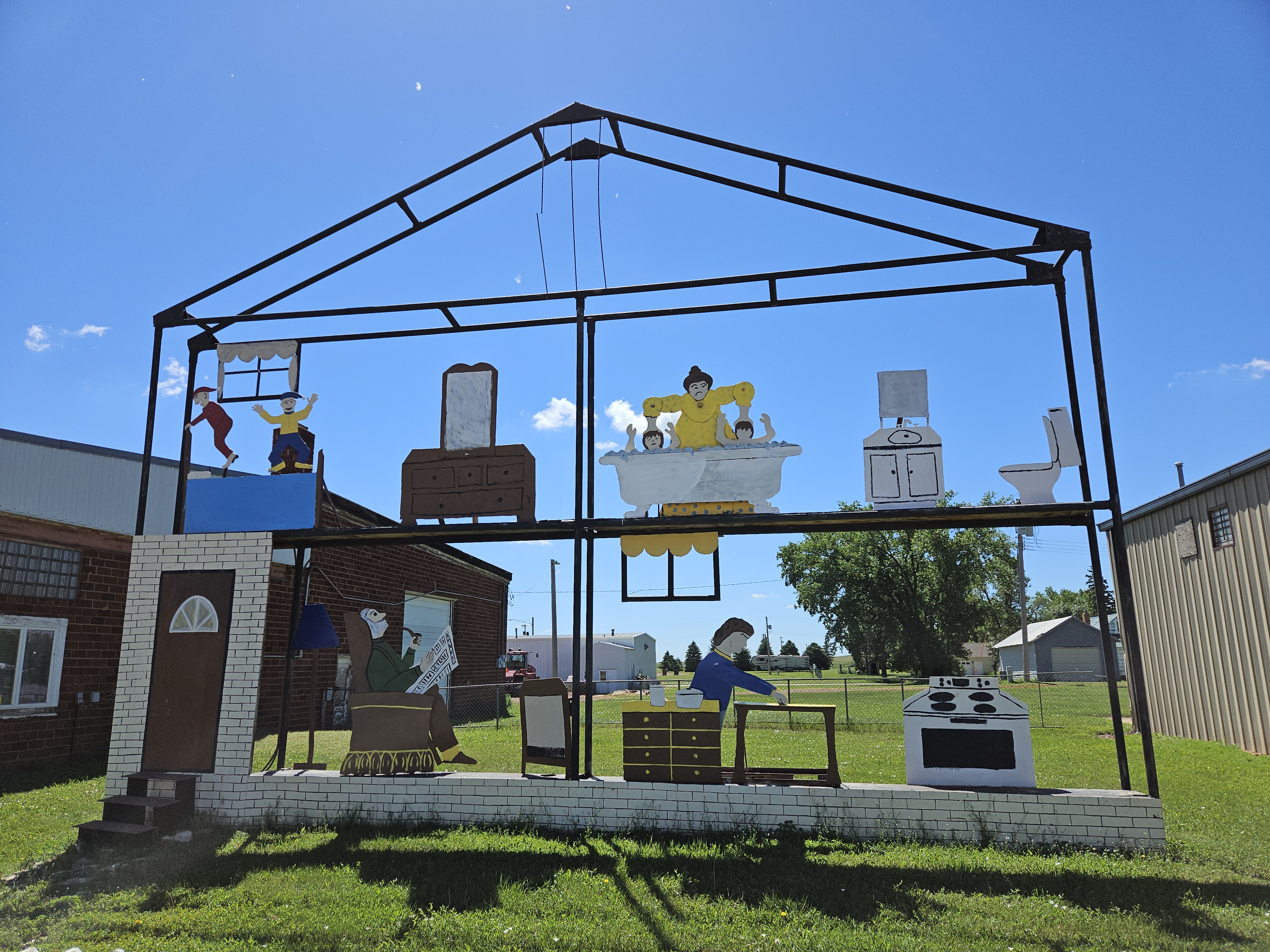
The Enchanted Highway begins at Exit 72 on I-94 near Gladstone and terminates 32 miles down the road in the small town of Regent. Beginning with “Geese in Flight” at Exit 72, large metal sculptures are placed along the county highway, each with a parking area and kiosk, except “Geese in Flight,” which is viewable from the adjacent interstate. Sculptures include “World’s Largest Tin Family,” “Teddy Rides Again,” “Pheasants on the Prairie,” “Grasshoppers in the Field,” “Deer Crossing,” and “Fisherman’s Dream.” The gift shop in Regent has miniatures of each statue and the Enchanted Castle motel and restaurant offer hot meals and a soft bed. .
The First sculpture, “Geese in Flight,” is right on Interstate 94 at Exit 72. If you are headed south, this would be the beginning of the Enchanted Highway. Other sculptures include “Geese in Flight,” “Deer Crossing,” “Grasshoppers in the Field,” “Fisherman’s Dream,” “Pheasants on the Prairie,” “Theodore Roosevelt Rides Again,” and “World’s Largest Tin Family.”
From I-94 Exit 72
Mile 0 – Geese in Flight
Mile 3 – Deer Crossing
Mile 15 – Grasshoppers in the Field
Mile 19 – Fisherman’s Dream
Mile 24 – Pheasants on the Prairie
Mile 26 – Theodore Roosevelt Rides Again
Mile 30 – World’s Largest Tin Family
Mile 32 – Enchanted Castle Gift Shop (Regent)
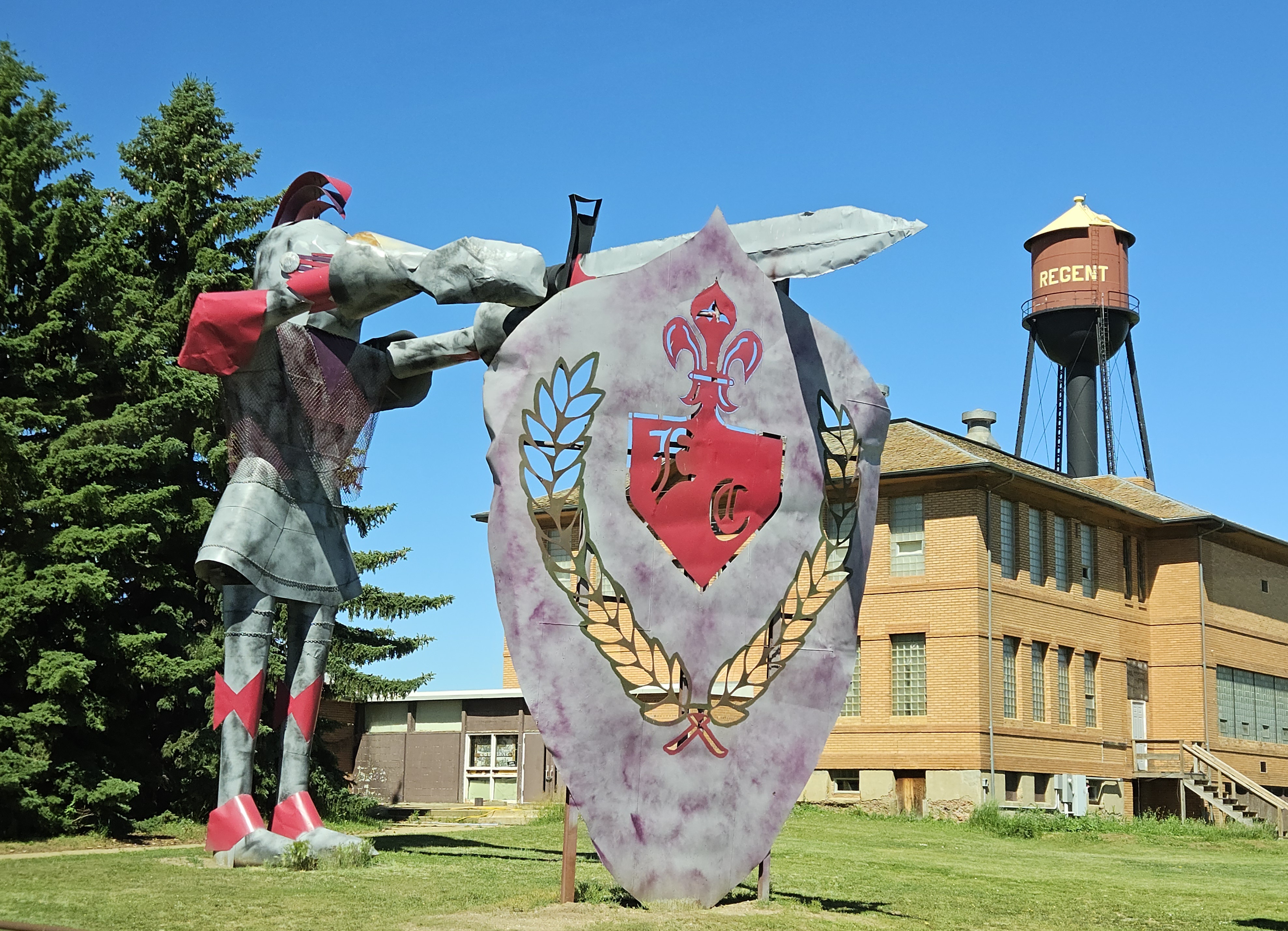
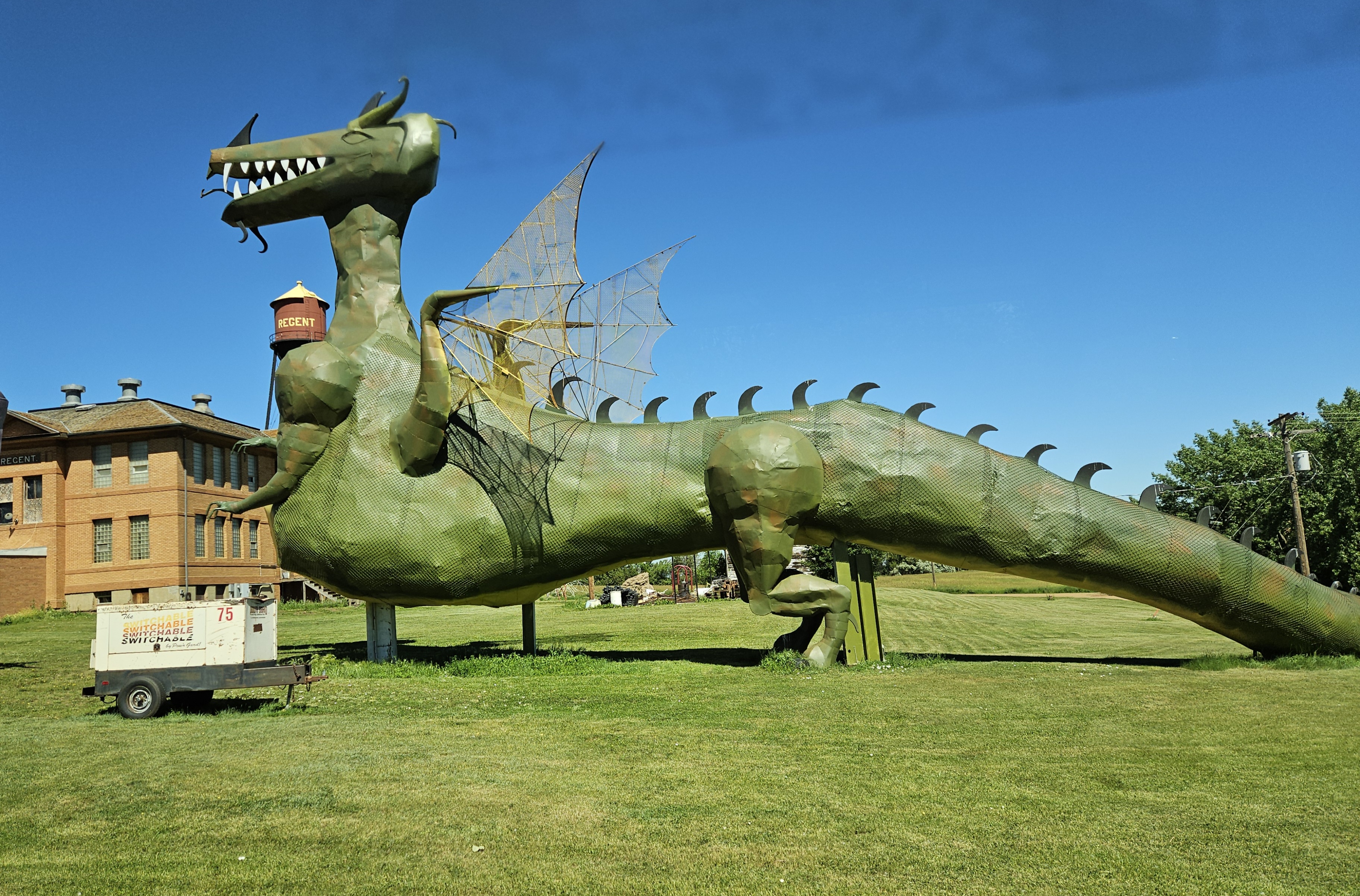
Mile 32.5 – Enchanted Castle Hotel, Knight and Dragon Sculpture in progress
The man behind this wonder is Gary Greff, and he’s always full of oversized ideas that center on bringing people to one small town in southwest North Dakota. Gary operates an ice cream parlor in Regent, North Dakota. Stop in for a couple of scoops dished out by Gary himself. Please see Gary Greff: Enchanted Highway Sculptor to learn more.
Mile 0 – Geese in FlightMile 3 – Deer CrossingMile 15 – Grasshoppers in the FieldMile 15 – Grasshoppers in the FieldMile 15 – Grasshoppers in the FieldMile 19 – Fisherman’s DreamMile 19 – Fisherman’s DreamMile 19 – Fisherman’s DreamMile 19 – Fisherman’s DreamMile 19 – Fisherman’s DreamMile 19 – Fisherman’s DreamMile 19 – Fisherman’s DreamMile 19 – Fisherman’s DreamMile 19 – Fisherman’s DreamMile 19 – Fisherman’s DreamMile 24 – Pheasants on the PrairieMile 24 – Pheasants on the PrairieMile 24 – Pheasants on the PrairieMile 24 – Pheasants on the PrairieMile 26 – Theodore Roosevelt Rides AgainMile 26 – Theodore Roosevelt Rides AgainMile 30 – World’s Largest Tin FamilyMile 30 – World’s Largest Tin FamilyMile 30 – World’s Largest Tin FamilyMile 32.5 – Enchanted Castle Hotel, Knight and Dragon Sculpture in progressMile 32.5 – Enchanted Castle Hotel, Knight and Dragon Sculpture in progressMile 32.5 – Enchanted Castle Hotel, Knight and Dragon Sculpture in progress