Artificial Intelligence Tackles Friday Night Lights

Mason City Iowa school district ejects Friday Night Lights book from reading game.

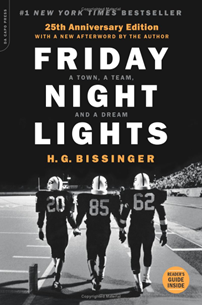
The Iowa Senate File 496 requires every book available to students to be “age appropriate” and free of any “descriptions or visual depictions of a sex act.” This regulation authorized the Mason City Community School District to remove H. G. Bissenger’s book Friday Night Lights to ban it from schools in the district.

How did the school district determine that the book was unsuitable? Did they have a group of educators in the district read the book? Did they ask a panel of teachers and parents to review the book? No! They used ChatGPT to provide a “textual analysis” of the title. They used the artificial intelligence (AI) platform to screen the book. The district said it was “not feasible to read every book and filter for these new requirements.” Wow! This is another black mark for AI.

Friday Night Lights by H. G. Bissenger

Friday Night Lights is the bestselling book about the 1988 Odessa Permian football team. The book revealed the “prominent role high school football plays in society” and the intense pressure on the athletes in these programs. You could apply the lessons from the book to any “big-time” high school or college athletic team. The book inspired a movie and television series. The book helped lead coaches into coaching in Texas. The author said it was a “great book for kids” especially teenage boys who “don’t like to read anything.”

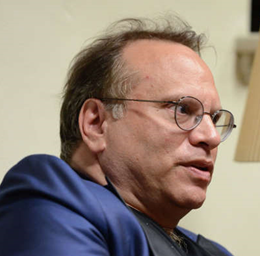
H. G. Bissenger
(Houston Chronicle)

Author Bissenger was shocked at the accusation and subsequent ban. He said, “There is no sex at all. I’ve never depicted a sex act.” “I purposely stayed away from that.” Bissenger added, “Kids are supposed to learn.” “They are supposed to learn about the elements of our society.”

This application of AI to screen books could metastasize to other states. Previously, I have written about the flaws in AI. Using AI will only expose more of the software’s problems. Authors should fight this dangerous use of AI.

Posted in Scratch Pad | Tagged , | Leave a comment

Harris, DeSantis, and Florida History Curriculum

Florida History Curriculum

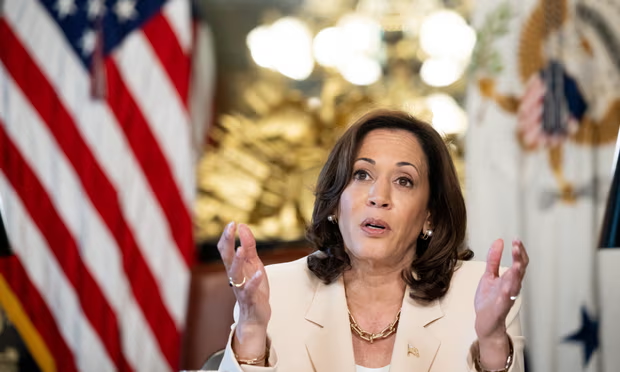
Vice President Kamala Harris declined Florida Governor Ron DeSantis’ offer to “debate the merits of the state’s new curriculum on African American history.”

At an African American Methodist church in Orlando, Florida, Vice President Harris proclaimed, “There were no redeeming qualities of slavery.”

The new Florida school guidelines require teachers to instruct middle school students that “enslaved people developed skills which, in some instances, could be applied to their personal benefit.” Harris called it an “attempt to gaslight us in an attempt to divide and distract our nation with unnecessary debates.”

Slaves Brought New Agriculture to the South

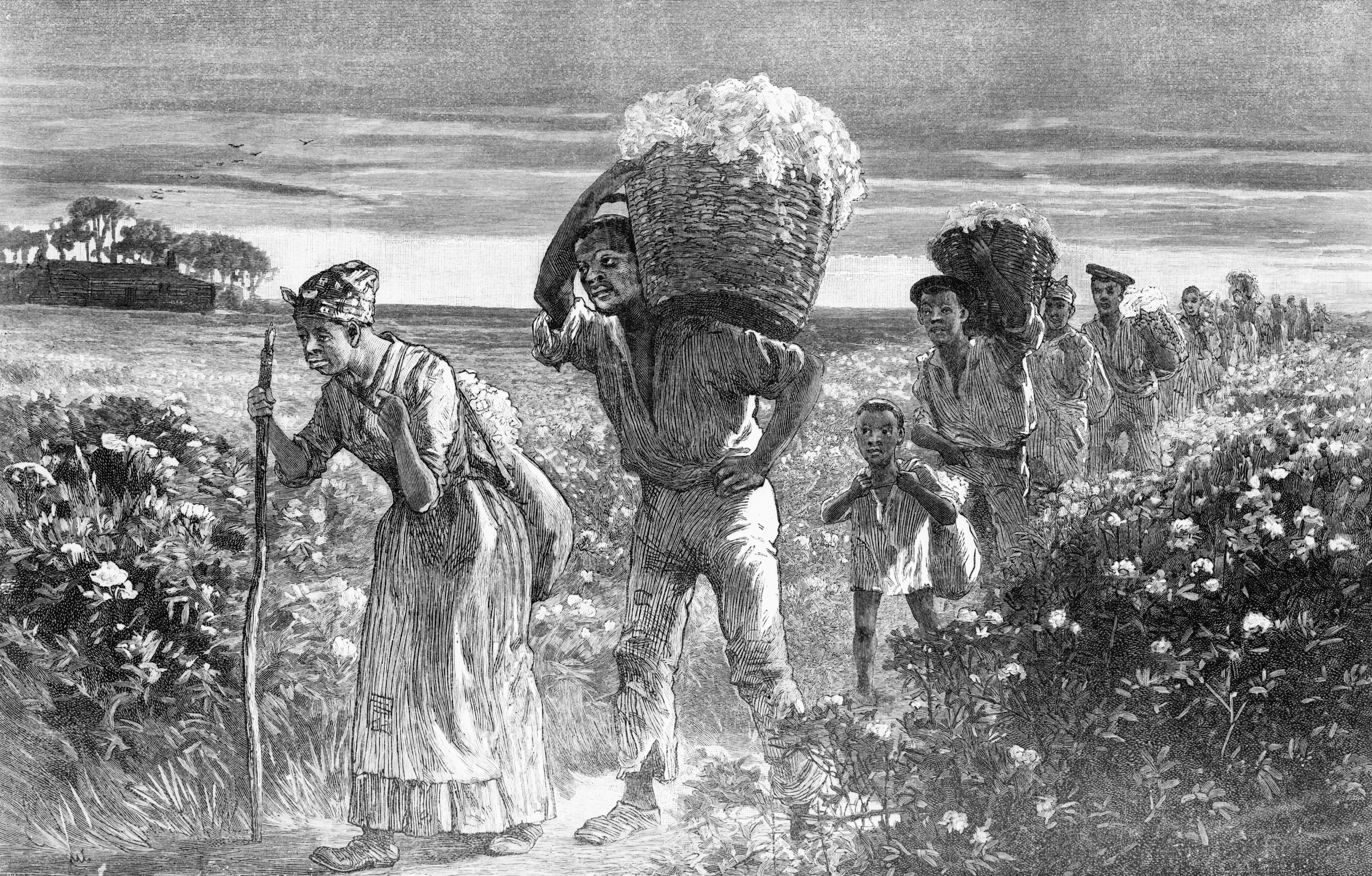
Rather than the slaves “developing beneficial skills,” slaves actually provided new farming methods to the South.

Georgia planters grew rice in swamps, employing methods that South Carolinians had learned from their slaves, including diking rivers to create impoundment ponds and building floodgates to regulate water flow. Yams were brought by slaves from Africa. Eggplant came from Africa to South America, from whence it was brought by Portuguese slave traders to the United States. Peanuts from South America were introduced into Virginia by African cooks who arrived onboard slave ships.<1>

The contributions of slaves to early American agriculture is discounted and ignored, mainly because of the lack of records prepared by the slaveholder. The plantation owner was mainly interested in writing to justify enslavement. However, many plantation owners relied on the agricultural knowledge that Africans brought over from across the Atlantic. Perhaps the best example of this is rice cultivation in South Carolina relied on indigenous West African knowledge of growing Oryza glaberrima. This specific knowledge was invaluable in transforming South Carolina into a rice-producing powerhouse. <2>

Defenders of Slavery

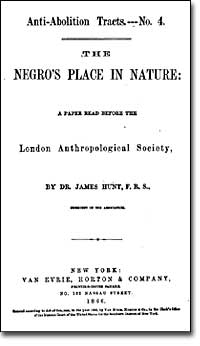
Slavery was the basis of wealth in the South. The value of land and slaves made planters the richest men in America. So like the Florida middle school curriculum, plantation owners tried to justify slavery.

Defenders of slavery:

  • Argued the sudden end to the slave economy would have had a profound and killing economic impact in the South where reliance on slave labor was the foundation of their economy.
  • Argued if all the slaves were freed, there would be widespread unemployment and chaos. This would lead to uprisings, bloodshed, and anarchy. They pointed to the mob’s “rule of terror” during the French Revolution and argued for the continuation of the status quo, which was providing for affluence and stability for the slaveholding class and for all free people who enjoyed the bounty of the slave society.
  • Argued slavery had existed throughout history and was the natural state of mankind. The Greeks had slaves, the Romans had slaves, and the English had slavery until very recently.
  • Noted in the Bible, Abraham had slaves. They point to the Ten Commandments, noting that “Thou shalt not covet thy neighbor’s house, … nor his manservant, nor his maidservant.” In the New Testament, Paul returned a runaway slave, Philemon, to his master, and, although slavery was widespread throughout the Roman world, Jesus never spoke out against it.
  • Turned to the courts, who had ruled, with the Dred Scott Decision, that all blacks — not just slaves — had no legal standing as persons in our courts — they were property, and the Constitution protected the slave-holders’ rights to their property.
  • Argued that the institution was divine and that it brought Christianity to the heathen from across the ocean. Therefore, slavery was a good thing for the enslaved. John C. Calhoun said, “Never before has the black race of Central Africa, from the dawn of history to the present day, attained a condition so civilized and so improved, not only physically, but morally and intellectually.”
  • Argued that by comparison with the poor of Europe and the workers in the Northern states, slaves were better cared for. They said that their owners would protect and assist them when they were sick and aged, unlike those who, once fired from their work, were left to fend helplessly for themselves. <3>

To own twenty slaves in 1860 was to be among the wealthiest men in America, easily within the top five percent of southern white families. Almost three million slaves worked on farms and plantations in 1835. Most of the value of agricultural output of the South was produced on large cotton plantations. More than half of all enslaved men and women lived on plantations that had more than 20 enslaved laborers; about a quarter lived on plantations that had more than 50. <4>


Sources:

<1> Brian Williams, “Slavery and Southern Agriculture,” https://www.briangwilliams.us/environmental-history/slavery-and-southern-agriculture.html, retrieved August 16, 2023.

<2> “African-American history of agriculture in the United States,” Wikipedia, https://en.wikipedia.org/wiki/African-American_history_of_agriculture_in_the_United_States, retrieved August 16, 2023.

<3> “The Southern Argument for Slavery,” U.S. History – Independence Hall Association in Philadelphia, https://www.ushistory.org/us/27f.asp, retrieved August 16, 2023.

<4> “Planters, Yeoman and Slaves,” University of Cincinnati, https://www.uc.edu/content/dam/uc/ce/docs/OLLI/Page%20Content/Planters,%20Yeoman%20and%20the%20Rest.pdf, retrieved August 16, 2023.

Posted in Scratch Pad | Tagged , | Leave a comment

Alliance of Independent Authors

I just learned about the Alliance of Independent Authors and I thought I would share some information about this international organization.


The Alliance of Independent Authors is a non-profit professional association for authors who self-publish. Their mission is ethics and excellence in self-publishing.

The Alliance of Independent Authors has a global team who, together with ambassadors and advisors worldwide, provide trusted, best-practice information and advice to the author community and provide our members with an extensive suite of benefits.

The Alliance of Independent Authors is global with members on all seven continents, and our outreach campaigns, self-publishing services center, guidebooks, live streams, podcasts, and blogs reach far and wide and have had an impact at every level of the wider author community.

The organization launched at the London Book Fair 2012 to foster excellence and ethics in self-publishing.

The Alliance of Independent Authors works in four areas:

  • Provides advice through the Self-Publishing Advice Center, which offers a daily blog, weekly live streams and podcasts, and a bookstore of self-publishing guidebooks.
  • Monitors the self-publishing sector through the watchdog desk, alerting authors to bad actors and predatory players, running a self-publishing service ratings list, and approved partner program.
  • Campaigns for the advancement of indie authors in the publishing and literary sectors (bookstores, libraries, literary events, prizes, grants, awards, and other author organizations) globally, encouraging the provision of publishing and business skills for authors, and furthering the indie author cause.

The Alliance of Independent Authors has three levels of author membership. I have only included the first two levels.

Associate: $89/year

Associate members receive:

  • Advisory team – all questions answered
  • Free author advice guides
  • Private moderated member’s forum
  • Selected discounts for author services
  • Affiliate earnings program
  • Approved Services directory
  • Online advice conference
  • Daily blog, a twice-weekly podcast
  • Associate member website badge

Author $119/year

Author members receive:

  • Advisory team – all questions answered
  • Free author advice guides
  • Private moderated member’s forum
  • All discounts for author services
  • Affiliate earnings program
  • Approved Services directory
  • Online advice conference
  • Daily blog, a twice-weekly podcast
  • Author member website badge
  • Public author-publisher profile
  • Book listing
  • Contract vetting
  • General legal advice
  • Blogging opportunities
  • Speaker opportunities
  • Interview opportunities

Income Comparison Between Self Published Authors and Traditionally Published Authors

  • Self-published authors earn more than authors who are traditionally published.
  • Self-published female authors earn more than self-published male authors.
  • LGBTQIA+ self-published authors earn more than heterosexual self-published authors.
  • Successful self-published authors are not ‘agreeable’… and that’s good!
  • 75% of book sales were part of a series (fiction and non-fiction).

In 2022, the median income of the Alliance of Independent Authors indie authors was $12,754.56. For seniors, the income was $10,000 for ages 55-64 and $3,000 for those 65 years and older.

The median income level for some of the genres in 2022. Income and sample size in parentheses.

Biography $795.59 (8)

Children’s $3,000 (89)

Crime/Thriller/Detective $18,893 (270)

Fantasy/Sci-Fi/Speculative $7,982 (330)

General Fiction $1,057 (64)

General Nonfiction $13,538.32 (54)

Historical Fiction $7,421.4 (129)

Horror $2,324 (24)

Memoir $2,474 (21)

Narrative Nonfiction $10,000 (13)

New Adult $145,448 (2)

Romance $38,800 (496)

Women’s Fiction $9,226 (45)

Young Adult $1,686 (35)

Other $10,000 (151)

I encourage readers to learn more about this organization, especially those interested in obtaining outside, fee-based help for your book.

Source: The Alliance of Independent Authors

Posted in Scratch Pad | Leave a comment

My Current Writing Activities

I have been busy this year thinking about additional subjects to write about and writing two new books.

Bullets and Barrels

Bullets and Barrels is a non-fiction book about how American Civil War officers and soldiers helped develop the oil and gas industry. The book traces the growth of the domestic petroleum industry from Colonel Edwin Drake’s discovery well in Titusville, Pennsylvania in 1859 to Ida Tarbell’s The History of the Standard Oil Company in 1902 and her 1909 article in the American Woman Magazine titled “The American Woman – How She Met the Experience of War.”

Readers will learn how Charles Pratt built “America’s first modern oil refinery” in 1867 and the Confederate attack on Burning Springs in the Civil War. The book will describe how Civil War veterans like Amos Densmore, Edward L. Roberts, William W. Averell, and Samuel Jones introduced new technology into the fledgling petroleum business.

My plan is to publish Bullets and Barrels this winter.

The Traitor

The Traitor is the second installment in the Russell Conrad series of political thrillers. The story begins after Conrad returns home from saving the president’s life in The Analyst. Conrad is accused of treason for helping Israel thwart an Iranian missile attack. As the FBI transports Conrad to the Dallas/Ft. Worth airport, they are attacked by armed men who want to kill the SMU professor. Conrad is saved by a mysterious woman who whisks him to safety. Thus begins a frantic trip to the Texas Coast with the FBI in chase. En route to Port Isabel, Conrad and the women discover a terrorist plot that threatens the U.S. oil industry and the national economy.

My plan is to publish The Traitor early next year.

In the meantime, I hope you will check out my current publications.

Teacher of Civil War Generals -Major General Charles
Ferguson Smith
The Third RebellionPreparing for DisunionThe Analyst
Your Affectionate Father, Charles F. SmithCharles A MarvinThe Forgotten Texas Statesman
Posted in Scratch Pad | Leave a comment

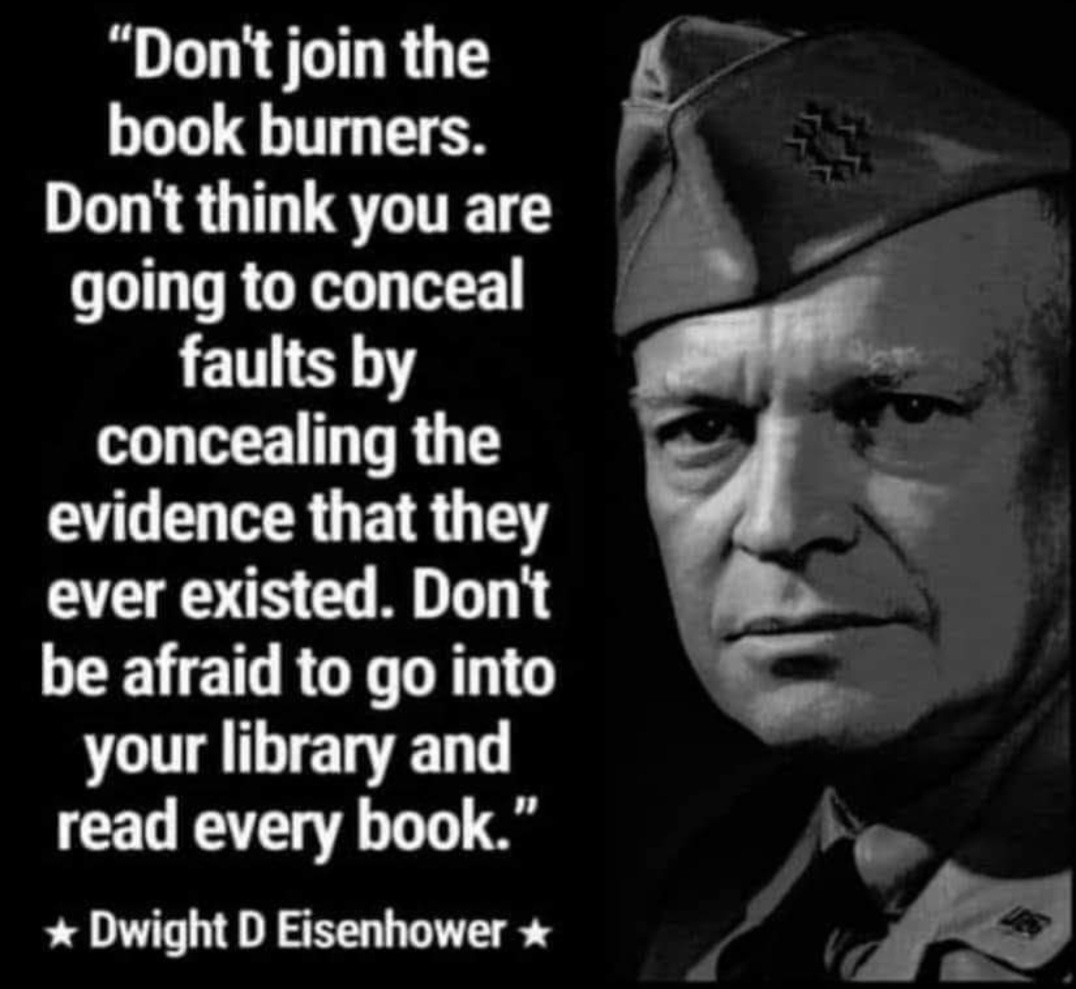
I Like What Ike Said

I will obey the general and president’s orders.

Posted in Scratch Pad | Tagged | Leave a comment

Historical Insults

These insults are from a time before the English language got boiled down to four-letter words. These insults from famous people had style, imagination, and class. I only wish that I could burrow some to inflict on someone.

1. “I am enclosing two tickets to the first night of my new play; Bring a friend, if you have one.” –

George Bernard Shaw to Winston Churchill.

“Cannot possibly attend [the] first night, I will attend the second…If there is one.” – Winston Churchill, in response.


2. A member of Parliament to Disraeli: “Sir, you will either die on the gallows, or of some unspeakable disease.”

“That depends, Sir,” said Disraeli, “whether I embrace your policies or your mistress.”


3. “He had delusions of adequacy.” – Walter Kerr

4. “I have never killed a man, but I have read many obituaries with great pleasure.” – Clarence Darrow

5. “He has never been known to use a word that might send a reader to the dictionary.” – William Faulkner (about Ernest Hemingway).

6.”Thank you for sending me a copy of your book; I’ll waste no time reading it.” – Moses Hadas

7. “I didn’t attend the funeral, but I sent a nice letter saying I approved of it.” – Mark Twain

8. “He has no enemies, but is intensely disliked by his friends..” – Oscar Wilde

9. “I feel so miserable without you; it’s almost like having you here.” – Stephen Bishop

10.”He is a self-made man and worships his creator.” – John Bright

11. “I’ve just learned about his illness. Let’s hope it’s nothing trivial.”- Irvin S. Cobb

12. “He is not only dull himself; he is the cause of dullness in others.”- Samuel Johnson

13. “He is simply a shiver looking for a spine to run up.” – Paul Keating

14. “In order to avoid being called a flirt, she always yielded easily.”- Charles, Count Talleyrand

15. “He loves nature in spite of what it did to him.”- Forrest Tucker

16. “Why do you sit there looking like an envelope without any address on it?”- Mark Twain

17. “His mother should have thrown him away and kept the stork.”- Mae West

18. “Some cause happiness wherever they go; others, whenever they go.”- Oscar Wilde

19. “He uses statistics as a drunken man uses lamp-posts… For support rather than illumination.”- Andrew Lang

20. “He has Van Gogh’s ear for music.” – Billy Wilder

21. “I’ve had a perfectly wonderful evening. But this wasn’t it.” – Groucho Marx.

22.”He has all the virtues I dislike and none of the vices I admire.” – Winston Churchill

Source: The English Community

Posted in Scratch Pad | Leave a comment

From Bookstore to Bestseller

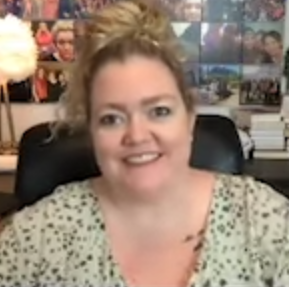
Colleen Hoover is an American author who writes novels in the romance and young adult fiction genres. She is best known for her 2016 romance novel, It Ends with Us. She self-published many of her works before she was picked up by a publishing house. Colleen Hoover has written 25 books in her 12-year career as an author. She is the founder of Book Bonanza with 2,700 readers, authors, and volunteers. She was named one of the 100 most influential people in the world by Time magazine in 2023.

Early and Personal Life

Hoover was born on December 11, 1979, in Sulphur Springs, Texas. She grew up in Saltillo, Texas, and she graduated from Saltillo High School in 1998. She married Heath Hoover in 2000 and they have three sons. Hoover graduated from Texas A&M-Commerce with a degree in social work. She worked various social work and teaching jobs before starting her career as an author.

Colleen Hoover

Career

In November 2011, Hoover began writing her debut novel, Slammed, with no intention of getting published. She was inspired by a lyric, “decide what to be and go be it,” from an Avett Brothers song, “Head Full of Doubt/Road Full of Promise,” and she incorporated Avett Brothers lyrics throughout the story. Hoover self-published Slammed in January 2012. Hoover states that she published the novel so her mother, who had just gotten an Amazon Kindle, could read it.

A sequel, Point of Retreat, was published in February 2012. After a few months, Slammed was reviewed and given five stars by book blogger Maryse Black, and afterward, sales rocketed for Hoover’s first two books. Slammed and Point of Retreat reached #8 and #18, respectively, on the New York Times Best Seller list in August of that year. Atria Books picked up the novels and republished them on August 10, 2012. A third book in the series, This Girl, was published in April 2013. After the success of Slammed, Hoover quit her job in the social work field to become a full-time writer.

Hoover’s novel, Hopeless, was self-published in December 2012. The plot line, which is that of a girl who was home-schooled throughout her elementary education, before going to a public high school, reached #1 on the New York Times Best Seller list on January 20. It was the first self-published novel to ever top the list. A companion novel, Losing Hope, was published that July.

Finding Cinderella is a free novella that Hoover published in 2014. It features several of the characters from her novels, Hopeless and Losing Hope. A paperback was released with several bonus features, such as a new epilogue and Hoover’s own “Cinderella story.” Maybe Someday, published in March 2014, was the first novel in a small series about a boy and a girl who write music together and fall in love. Musician Griffin Peterson created a soundtrack to accompany the novel. Links in the e-book or a scannable QR code in the paperback led to a website, where readers could listen to the music.

Never Never, a 2015 collaboration with Tarryn Fisher, was originally split into three parts and sold as three separate books. The work was later republished as one complete book.

Hoover’s novel, It Ends with Us, was published in 2016. Hoover described it as “the hardest book I’ve ever written.” The novel concerns domestic violence, and, according to Hoover, it was written with the intention of advocating for domestic violence victims. The story was inspired by Hoover’s personal experience as a child growing up in a household with domestic violence, which carried through her adult life. The book’s main character, Lily, experiences domestic violence at a young age, witnessing her father’s abuse towards her mother, on top of experiencing it firsthand. Then, she ends up in a violent relationship, as an adult. In 2021, Hoover experienced a surge in popularity, due to attention from the #BookTok community on TikTok. As a result, in January 2022, It Ends with Us was #1 on The New York Times best sellers list. As of 2019, the novel had sold over a million copies worldwide, and it has been translated into over twenty languages. Filming of a movie adaption of It Ends with Us began in May 2023.

A sequel to It Ends with Us, titled, It Starts with Us, was published by Atria Books on October 18, 2022. Simon and Schuster released the details of the extensive marketing campaign for the novel, which became the publisher’s most pre-ordered book of all time.

In October 2022, Simon and Schuster UK acquired two standalone novels by Hoover, which are to be published in 2024 and 2026.

Alexandra Alter of The New York Times wrote, “To say she’s currently the best-selling novelist in the United States, to even compare her to other successful authors who have landed several books on the best seller lists, fails to capture the size and loyalty of her audience.”

Writing Style

“I can’t work on more than one thing.”

“Once I start and I get really into it, that’s my hyper-focus. And that’s all I do – just write 18 hours a day and sleep.”

Ms. Hoover’s success gives hope to all aspiring authors. Just because the big publishing houses ignore you doesn’t mean you can’t strike it rich by self-publishing your book.

Sources:

“From Bookstore to bestseller,” Dallas Morning News, June 24, 2023, pp 1B & 2B.

“Colleen Hoover,” Colleen Hoover – Wikipedia, retrieved June 26, 2023.

Posted in Scratch Pad | Leave a comment

Emancipation and Juneteenth

Did Lincoln Free the Slaves?

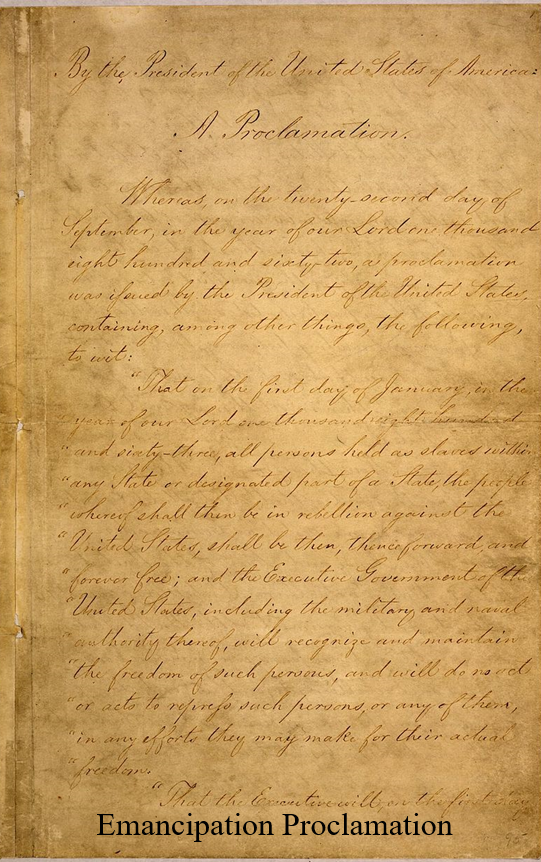
The Emancipation Proclamation, officially Proclamation 95, was a presidential proclamation and executive order issued by President Abraham Lincoln on January 1, 1863, during the Civil War. The Proclamation changed the legal status of more than 3.5 million enslaved African Americans in the secessionist Confederate states from enslaved to free. As soon as slaves escaped the control of their enslavers, either by fleeing to Union lines or through the advance of federal troops, they were permanently free. In addition, the Proclamation allowed for former slaves to “be received into the armed service of the United States.”

On January 1, 1863, Lincoln issued the final version of the Emancipation Proclamation.

I, Abraham Lincoln, President of the United States, by virtue of the power in me vested as Commander-in-Chief, of the Army and Navy of the United States in time of actual armed rebellion against authority and government of the United States, and as a fit and necessary war measure for suppressing said rebellion, do … order and designate as the States and parts of States wherein the people thereof respectively, are this day in rebellion, against the United States, the following, to wit:

Lincoln then listed the ten states still in rebellion, excluding parts of states under Union control, and continued:

I do order and declare that all persons held as slaves within said designated States, and parts of States, are, and henceforward shall be free… [S]uch persons of suitable condition, will be received into the armed service of the United States… And upon this act, sincerely believed to be an act of justice, warranted by the Constitution, upon military necessity, I invoke the considerate judgment of mankind and the gracious favor of Almighty God.

The proclamation provided that the executive branch, including the Army and Navy, “will recognize and maintain the freedom of said persons.” Even though it excluded areas not in rebellion, it still applied to more than three and a half million of the four million enslaved people in the country. Around 25,000 to 75,000 were immediately emancipated in those regions of the Confederacy where the US Army was already in place. It could not be enforced in the areas still in rebellion, but, as the Union army took control of Confederate regions, the Proclamation provided the legal framework for the liberation of more than three and a half million enslaved people in those regions by the end of the war. The Emancipation Proclamation outraged white Southerners and their sympathizers, who saw it as the beginning of a race war. It energized abolitionists and undermined those Europeans who wanted to intervene to help the Confederacy. The Proclamation lifted the spirits of African Americans, both free and enslaved. The proclamation encouraged many to escape from their masters and flee toward Union lines to obtain their freedom and to join the Union Army. [1]

The Emancipation Proclamation became a historic document because it “would redefine the Civil War, turning it [for the North] from a struggle [solely] to preserve the Union to one [also] focused on ending slavery, and set a decisive course for how the nation would be reshaped after that historic conflict.”[2]

Juneteenth

Juneteenth (officially Juneteenth National Independence Day) is a federal holiday in the United States commemorating the emancipation of enslaved African Americans. Deriving its name from combining June and nineteenth, it is celebrated on the anniversary of the order, issued by Major General Gordon Granger on June 19, 1865, proclaiming freedom for slaves in Texas. The celebration began in Galveston, Texas. Juneteenth has since been observed annually in various parts of the United States, often broadly celebrating African-American culture. The day was first recognized as a federal holiday in 2021 when President Joe Biden signed the Juneteenth National Independence Day Act into law after the efforts of Lula Briggs Galloway, Opal Lee, and others.

Despite the surrender of Confederate General-in-Chief Robert E. Lee at Appomattox Court House on April 9, 1865, the Western Confederate Army of the Trans-Mississippi did not surrender until June 2. On the morning of June 19, 1865, Union Major General Gordon Granger arrived on the island of Galveston, Texas to take command of the more than 2,000 federal troops recently landed in the Department of Texas to enforce the emancipation of its slaves and oversee Reconstruction, nullifying all laws passed within Texas during the war by Confederate lawmakers. The order informed all Texans that, in accordance with a Proclamation from the Executive of the United States, all slaves were free:

The people of Texas are informed that, in accordance with a proclamation from the Executive of the United States, all slaves are free. This involves an absolute equality of personal rights and rights of property between former masters and slaves, and the connection heretofore existing between them becomes that between employer and hired labor. The freedmen are advised to remain quietly at their present homes and work for wages. They are informed that they will not be allowed to collect at military posts and that they will not be supported in idleness either there or elsewhere.

Urban legend places the historic reading of General Order No. 3 at Ashton Villa; however, no existing historical evidence supports such claims. Although widely believed, it is unlikely that Granger or his troops proclaimed the Ordinance by reading it aloud: it is more likely that copies of the Ordinance were posted in public places, including the Negro Church on Broadway since renamed Reedy Chapel A.M.E. Church. On June 21, 2014, the Galveston Historical Foundation and Texas Historical Commission erected a Juneteenth plaque where the Osterman Building once stood signifying the location of Major General Granger’s Union Headquarters and subsequent issuance of his general orders.

Although this event has come to be celebrated as the end of slavery, emancipation for the remaining enslaved in two Union border states (Delaware and Kentucky), would not come until several months later, on December 18, 1865, when the Thirteenth Amendment was ratified. The freedom of former slaves in Texas was given state law status in a series of Texas Supreme Court decisions between 1868 and 1874.[3]


[1] “Emancipation Proclamation,” Wikipedia, Emancipation Proclamation – Wikipedia, retrieved June 17, 2023.

[2] “Emancipation Proclamation – Definition, Dates & Summary,” History, Emancipation Proclamation – Definition, Dates & Summary – HISTORY (archive.org) retrieved June 17, 2023.

[3] “Juneteenth,” Wikipedia, Juneteenth – Wikipedia, retrieved June 17, 2023.

Posted in Scratch Pad | Tagged | Leave a comment

Arlington National Cemetery

Arlington National Cemetery, the most famous cemetery in the country, is the final resting place for many of our nation’s greatest heroes, including more than 300,000 veterans of every American conflict, from the Revolutionary War to Iraq and Afghanistan.  Since its founding in 1866, Arlington National Cemetery has provided a solemn place to reflect upon the sacrifices made by the men and women of the United States Armed Forces in the name of our country.

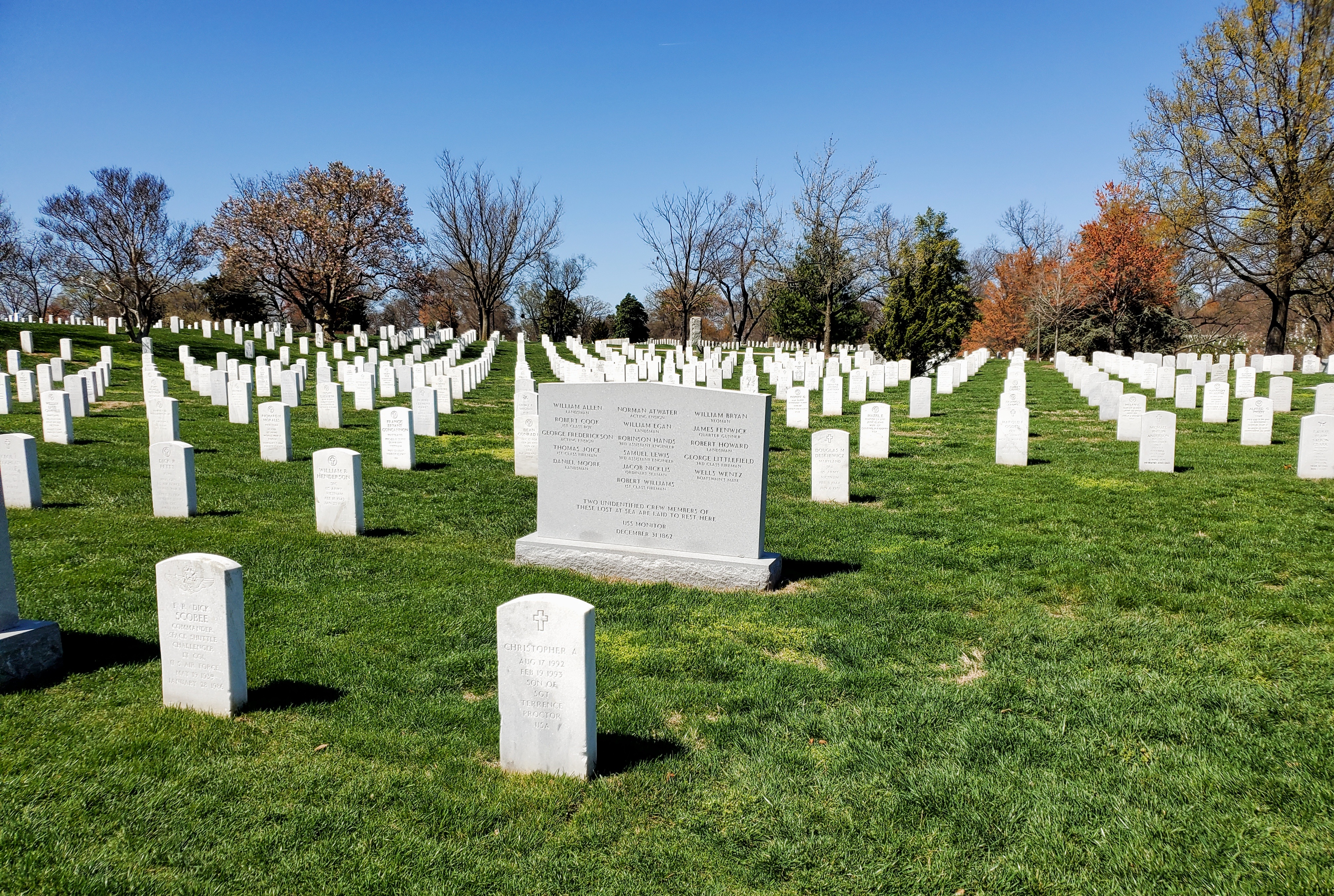
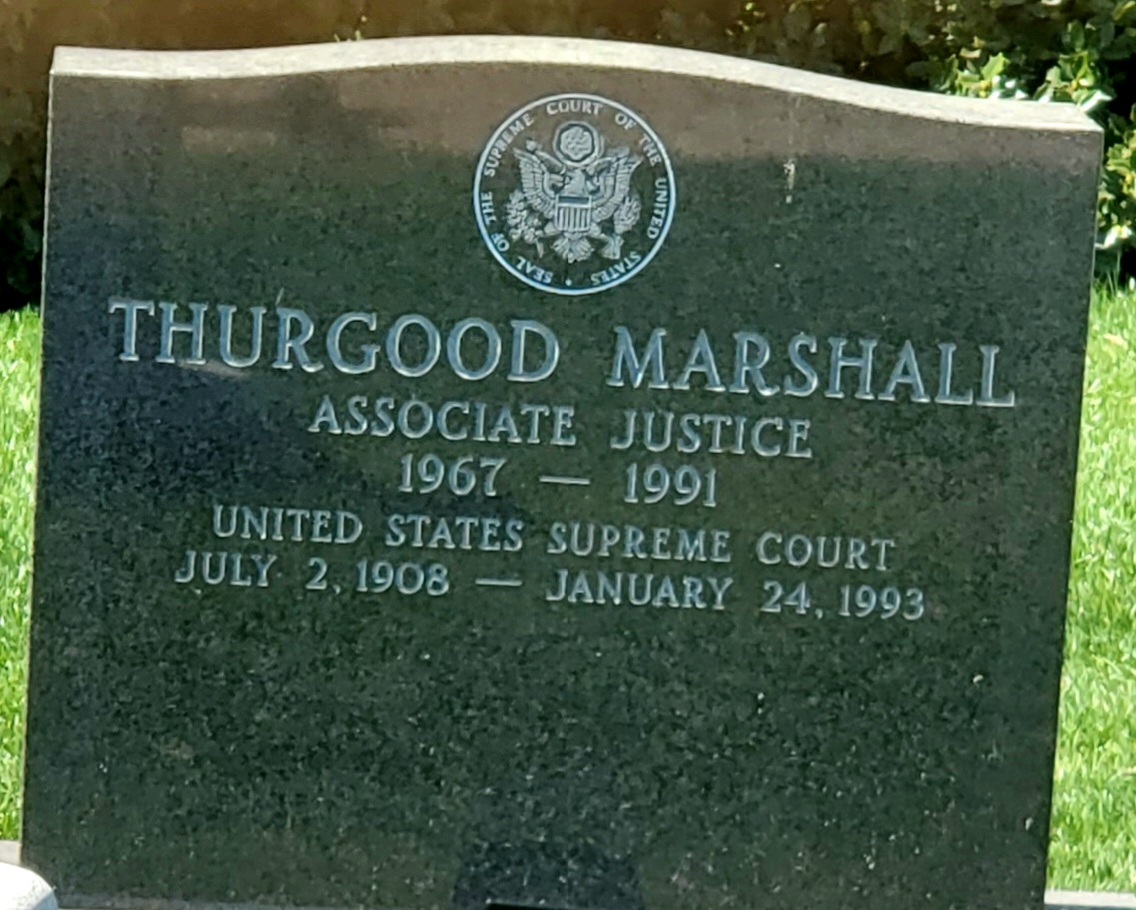
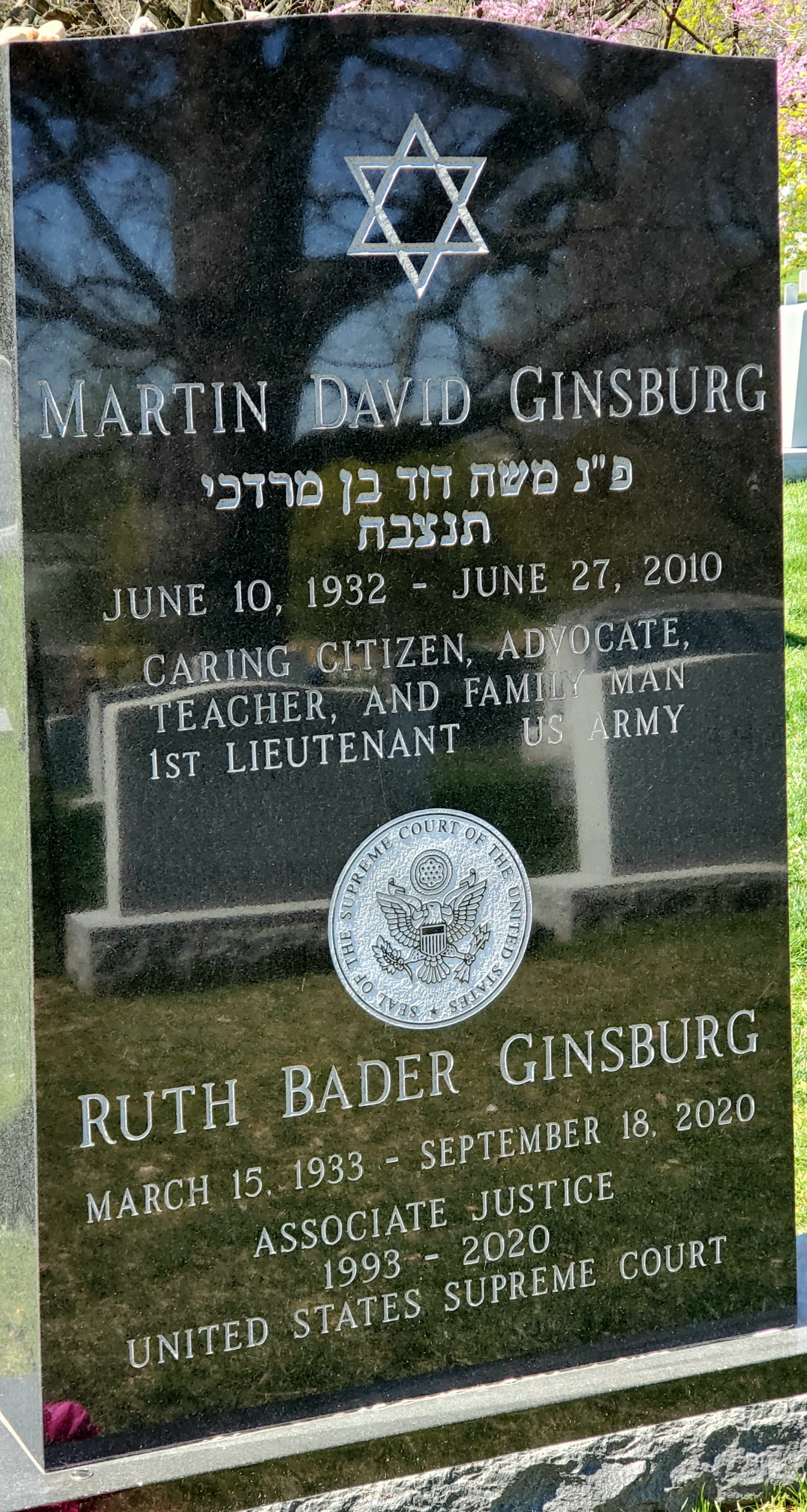
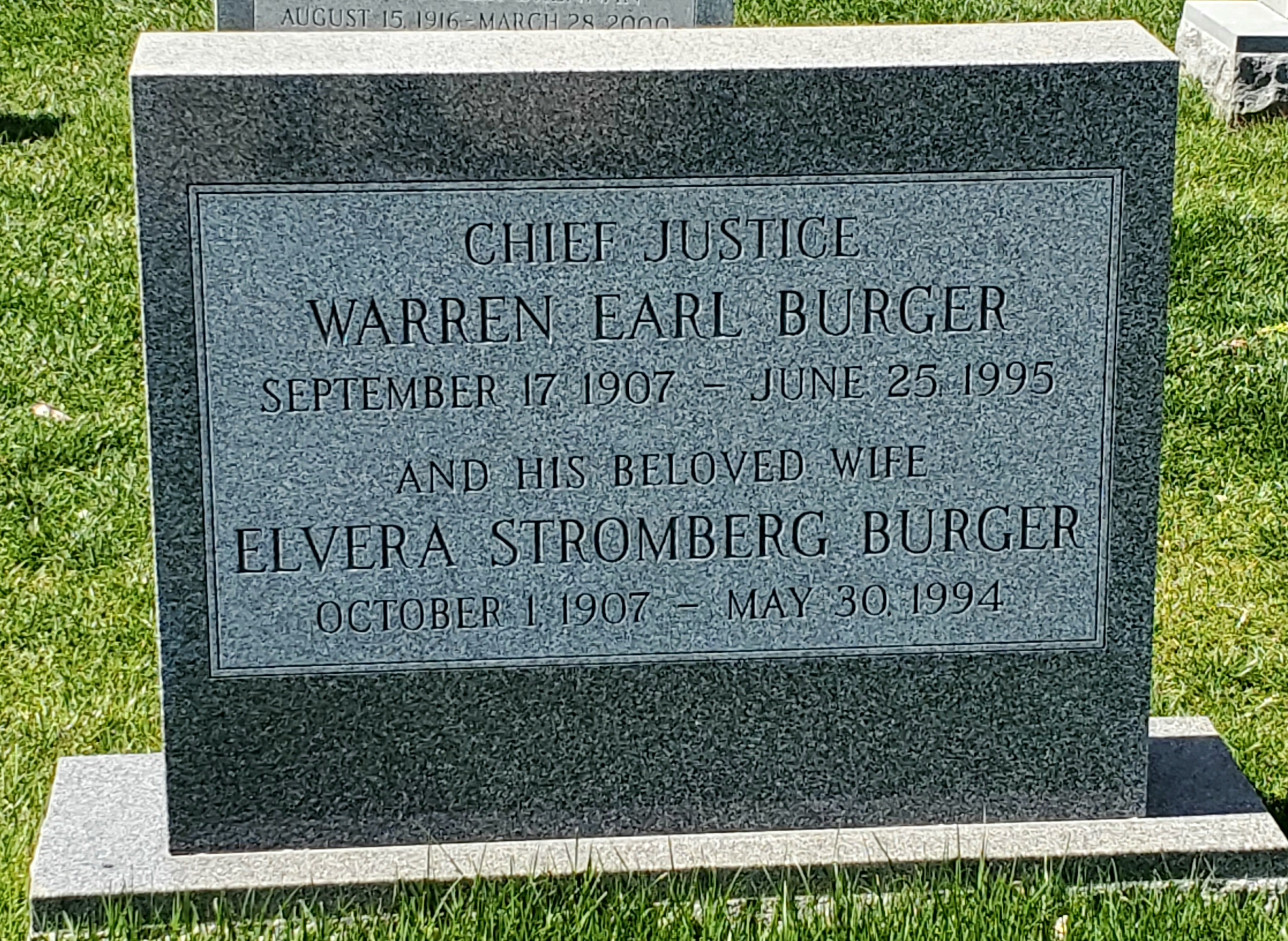
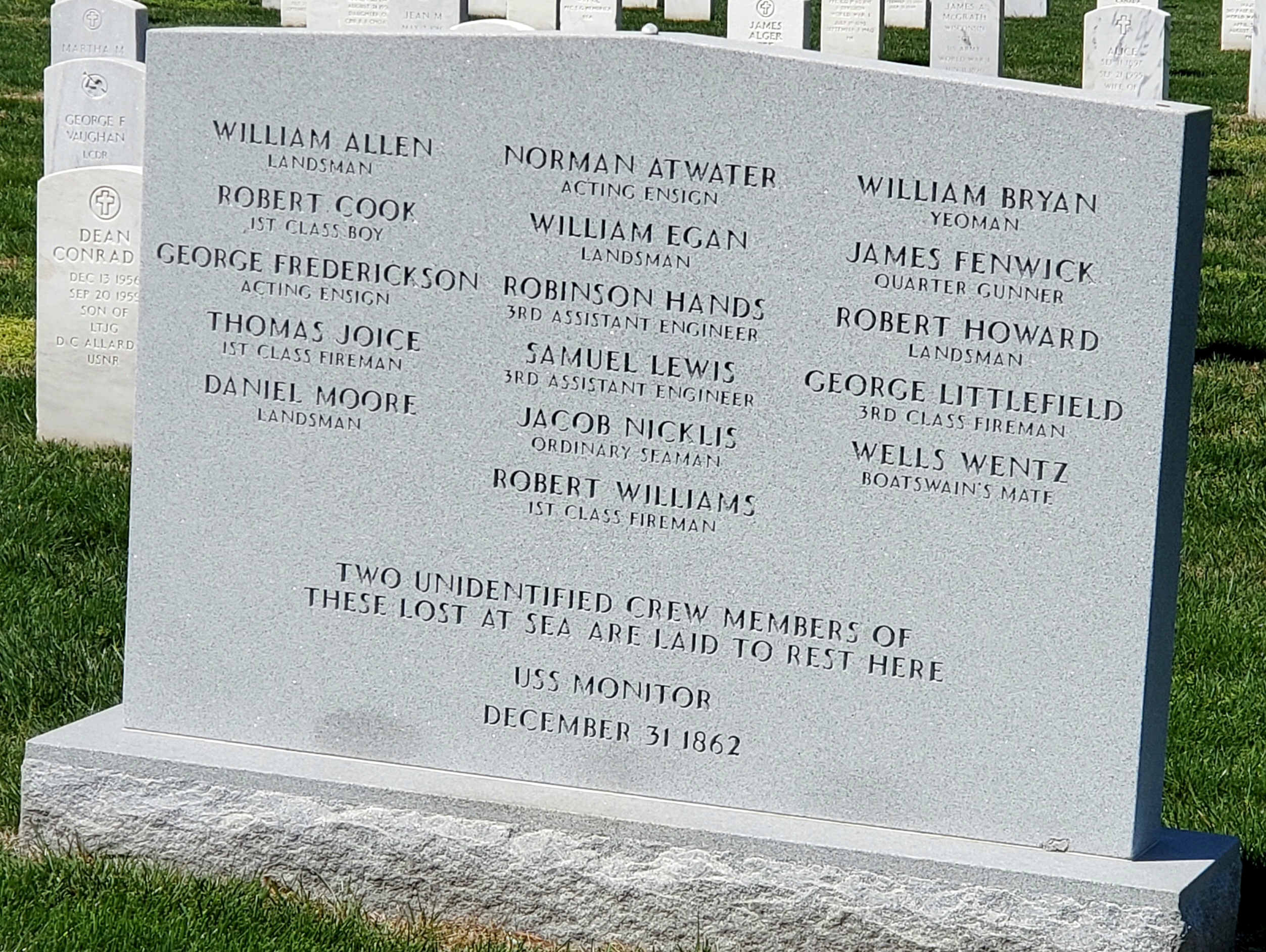
The following pictures were taken in April 2023 during a visit to the cemetery. Unfortunately, I was unable to share my videos of the Tomb of the Unknown Soldier. Please see Arlington National Cemetery for more information.

There are several memorials on the grounds of the cemetery. However, due to the lack of space for burials and the large amount of space that memorials take up, the U.S. Army now requires a joint or concurrent resolution from Congress before it will place new memorials at Arlington.

The USS Maine Memorial

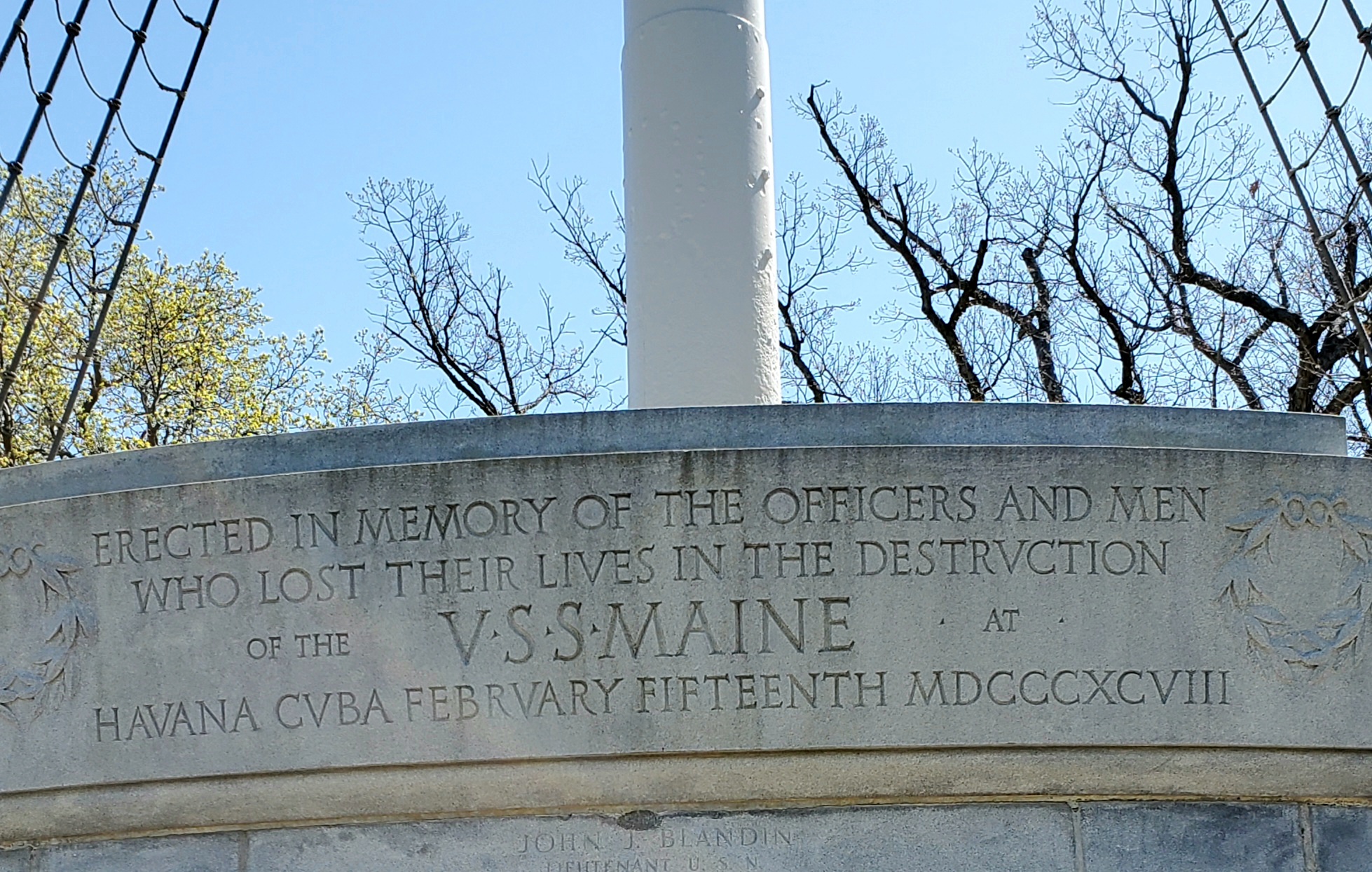
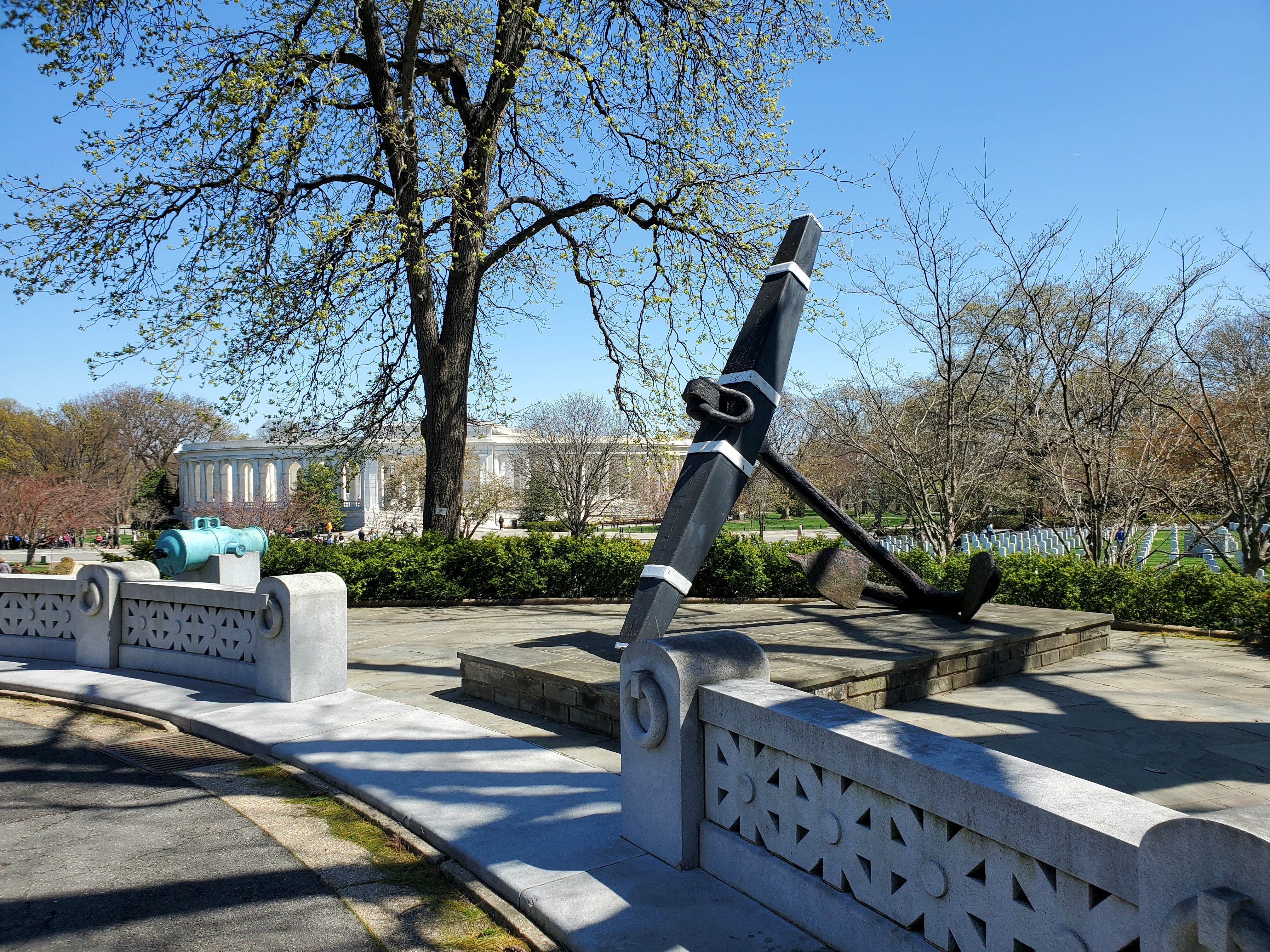
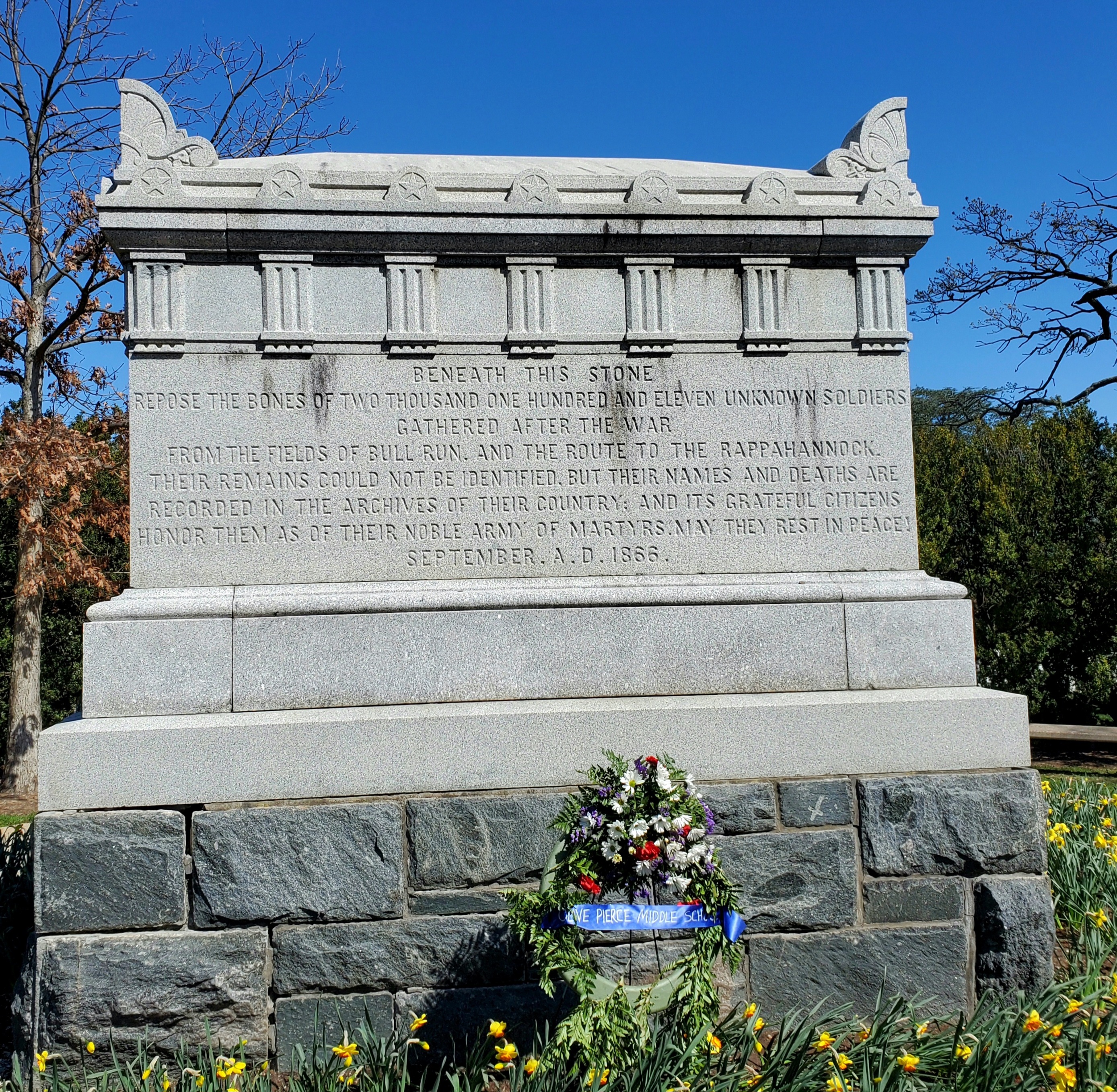
Near the Tomb of the Unknowns stands the USS Maine Mast Memorial, which commemorates the 266 men who died aboard the USS Maine. The memorial is built around a mast salvaged from the ship’s wreckage.

The Space Shuttle Challenger Memorial

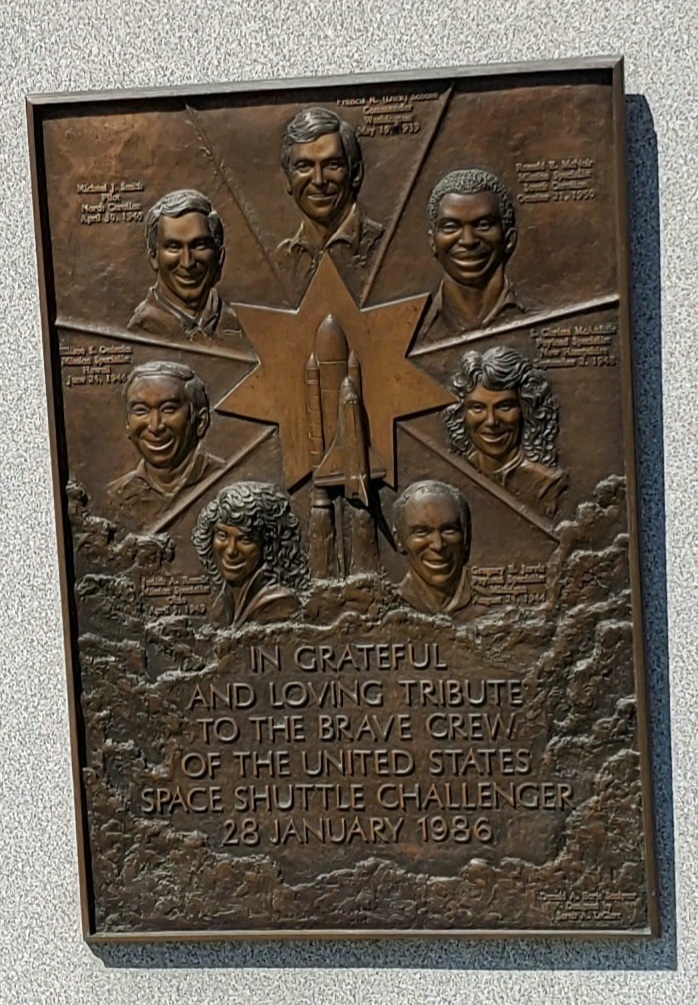
The Space Shuttle Challenger Memorial was dedicated on May 20, 1986, in memory of the crew of flight STS-51-L, who died during launch on January 28, 1986. Transcribed on the back of the stone is the text of the John Gillespie Magee, Jr. poem High Flight, which was quoted by then President Ronald Reagan when he addressed the disaster. Although many remains were identified and returned to the families for a private burial, some were not and were laid to rest under the marker. Two crew members, Dick Scobee, and Michael Smith, are buried in Arlington.

Shuttle Columbia Memorial

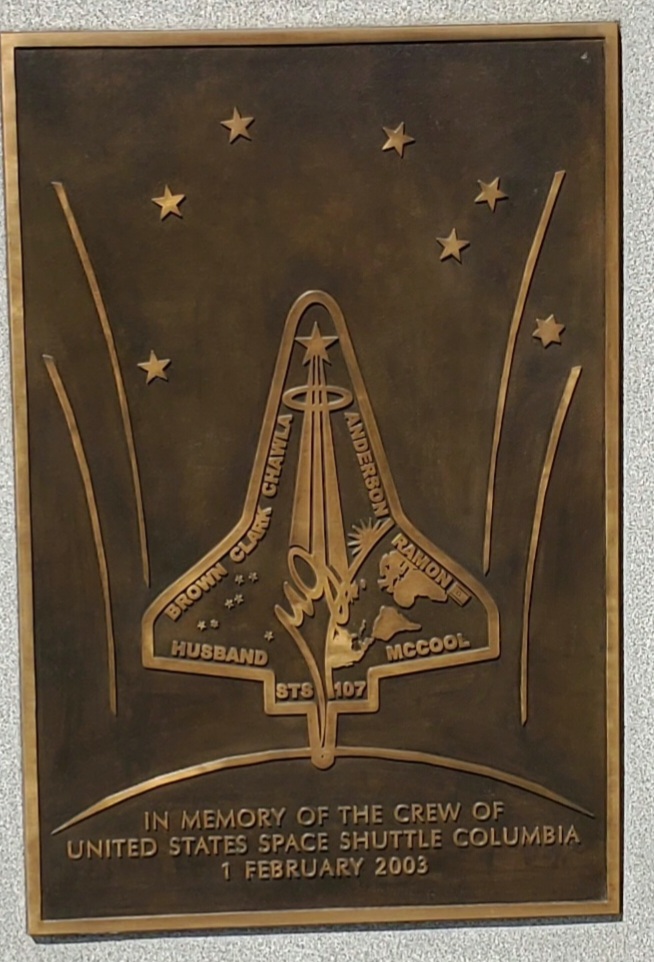
On February 1, 2004, NASA Administrator Sean O’Keefe dedicated a similar memorial to those who died when the Shuttle Columbia broke apart during reentry on February 1, 2003. Astronauts Laurel Clark, David Brown, and Michael Anderson, who were killed in the Columbia disaster, are also buried in Arlington.

In section 64, a memorial to the 184 victims of the September 11 attacks on the Pentagon was dedicated on September 11, 2002. The memorial takes the shape of a pentagon and lists the names of all the victims that were killed. Unidentified remains from the victims are buried beneath it.

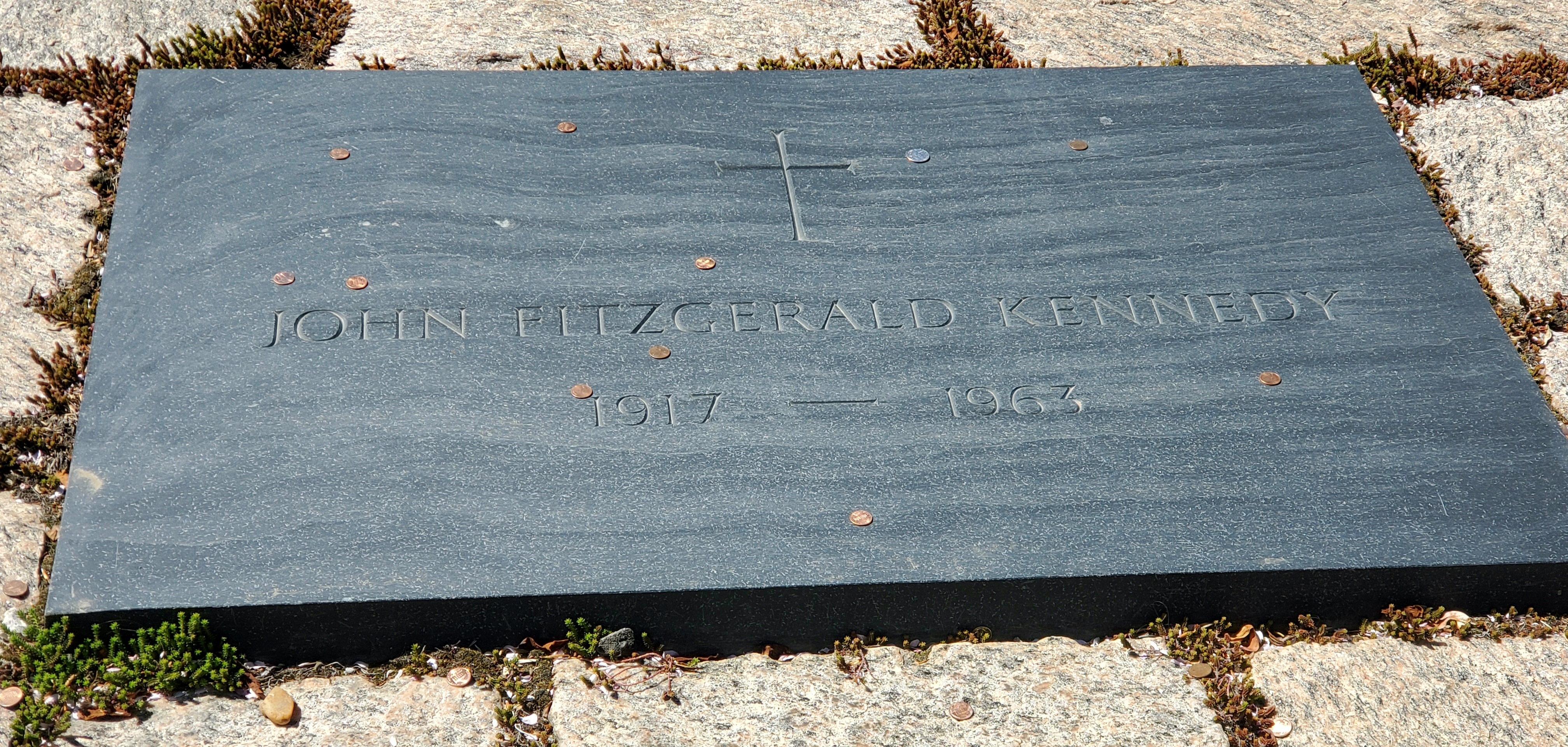
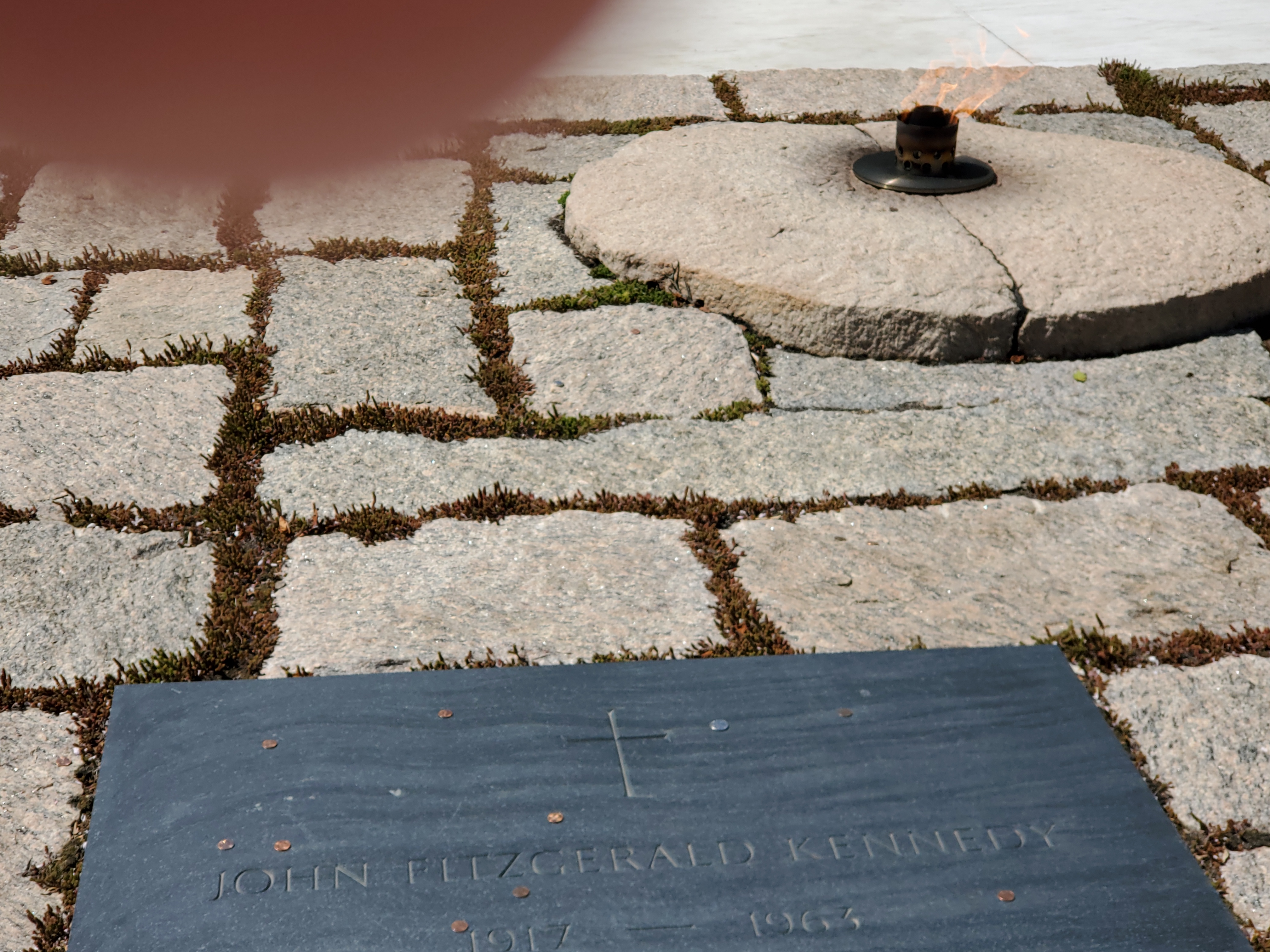
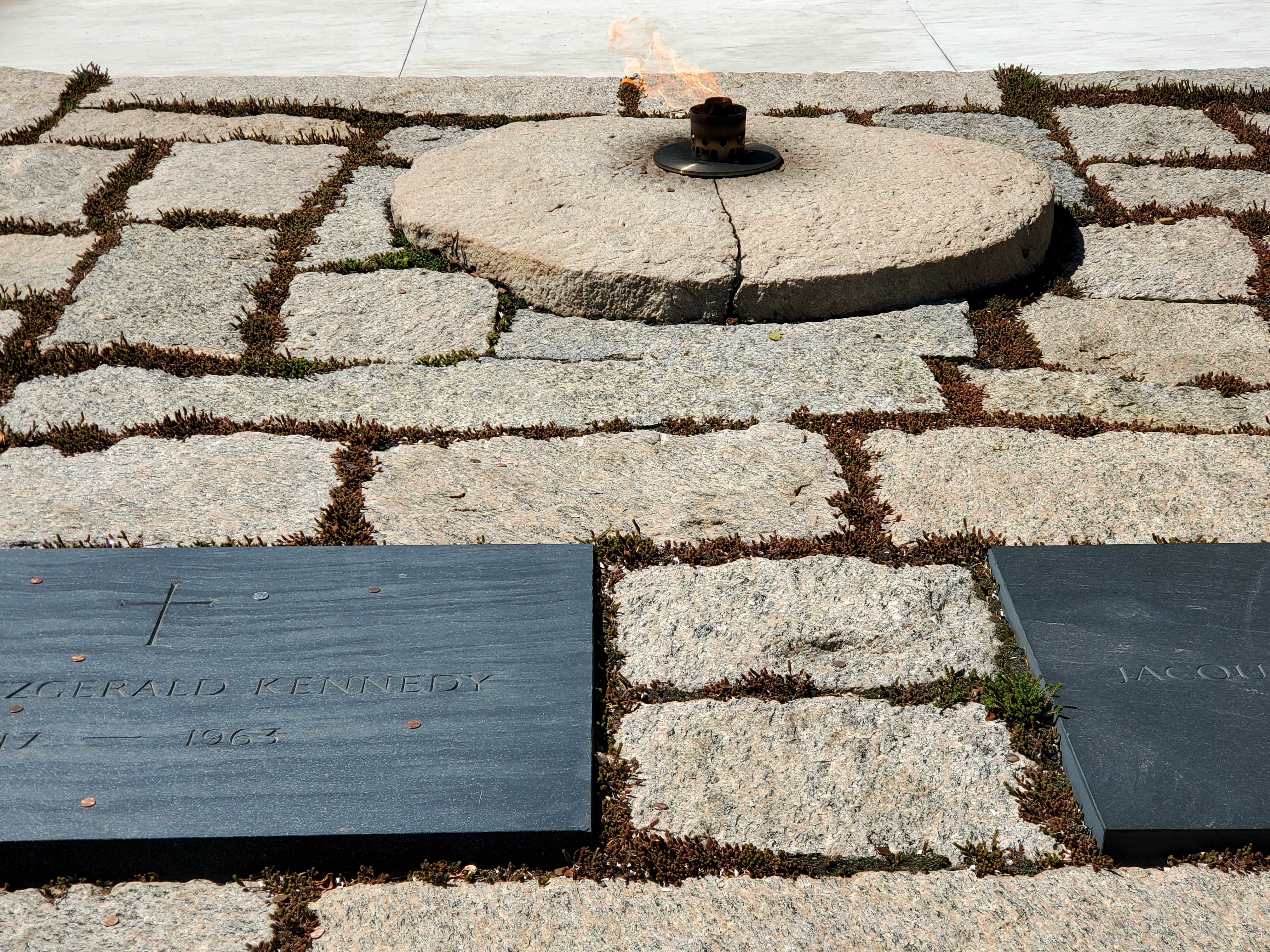
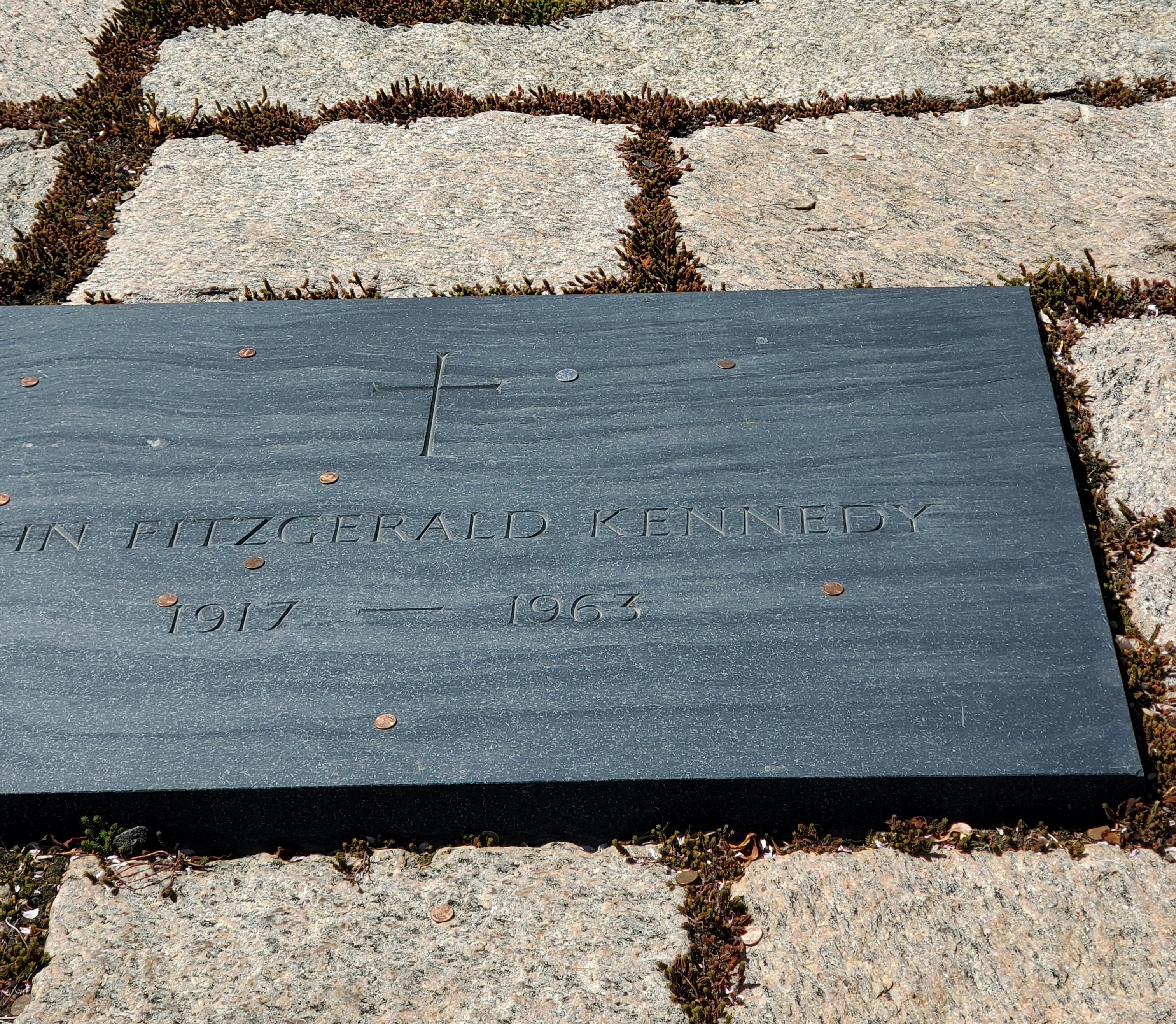
Eternal Flame Memorial to President John F. Kennedy

Other Notable Gravesites and Memorials

The Tomb of the Unknown Soldier

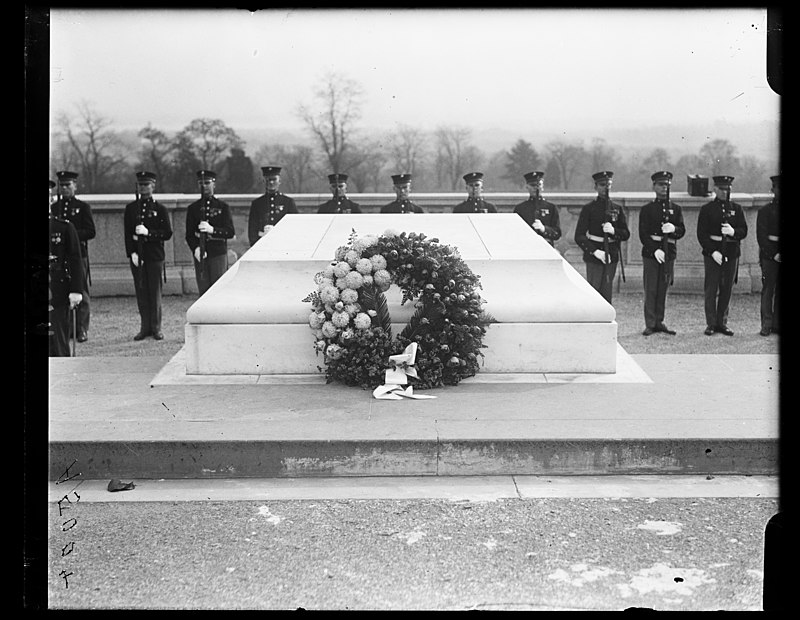
The Tomb of the Unknown Soldier stands atop a hill overlooking Washington, D.C. One of the more well-attended sites at the cemetery, the tomb is made from Yule marble quarried in Colorado. It consists of seven pieces, with a total weight of 79 tons. The tomb was completed and opened to the public on April 9, 1932, for $48,000.

Tomb of the Unknown Soldier in 1922
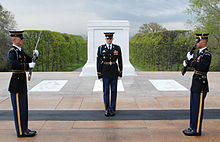
Honor Guards (2005)

Other unknown servicemen were later placed in crypts there, and it also became known as the Tomb of the Unknowns, though it has never been officially named. The soldiers entombed there are:

  • Unknown Soldier of World War I, entombed November 11, 1921.
  • Unknown Soldier of World War II, interred May 30, 1958.
  • Unknown Soldier of the Korean War was also interred on May 30, 1958.
  • Unknown Soldier of the Vietnam War, interred May 28, 1984. The remains of the Vietnam Unknown were disinterred, under the authority of President Bill Clinton, on May 14, 1998, and were identified as those of Air Force First Lieutenant Michael J. Blassie, whose family had them reinterred near their home in St. Louis, Missouri. It has been determined that the crypt at the Tomb of the Unknowns that contained the remains of the Vietnam Unknown will remain empty.

Guarding the Tomb of the Unknown Soldier video.

The Tomb of the Unknown Soldier has been perpetually guarded since July 2, 1937, by the U.S. Army. The 3rd U.S. Infantry Regiment (“The Old Guard”) began guarding the Tomb on April 6, 1948. The guard follows a meticulous routine when watching over the graves. The Tomb Guard:

  1. Marches 21 steps southward down the black mat behind the Tomb
  2. Turns left, facing east for 21 seconds
  3. Turns left, facing north for 21 seconds
  4. Takes 21 steps down the mat
  5. Repeats the routine until the soldier is relieved of duty at the changing of the guard

After each turn, the Guard executes a sharp “shoulder-arms” movement to place the weapon on the shoulder closest to the visitors to signify that the Guard stands between the Tomb and any possible threat.

Twenty-one was chosen because it symbolizes the highest military honor that can be bestowed – the 21-gun salute.

At each turn, the guard makes precise movements followed by a loud click of the heels as the soldier snaps them together. The guard is changed every half-hour during daylight in the summer, and every hour during daylight in the winter, and every two hours at night (when the cemetery is closed to the public), regardless of weather conditions.

Freedman’s Village

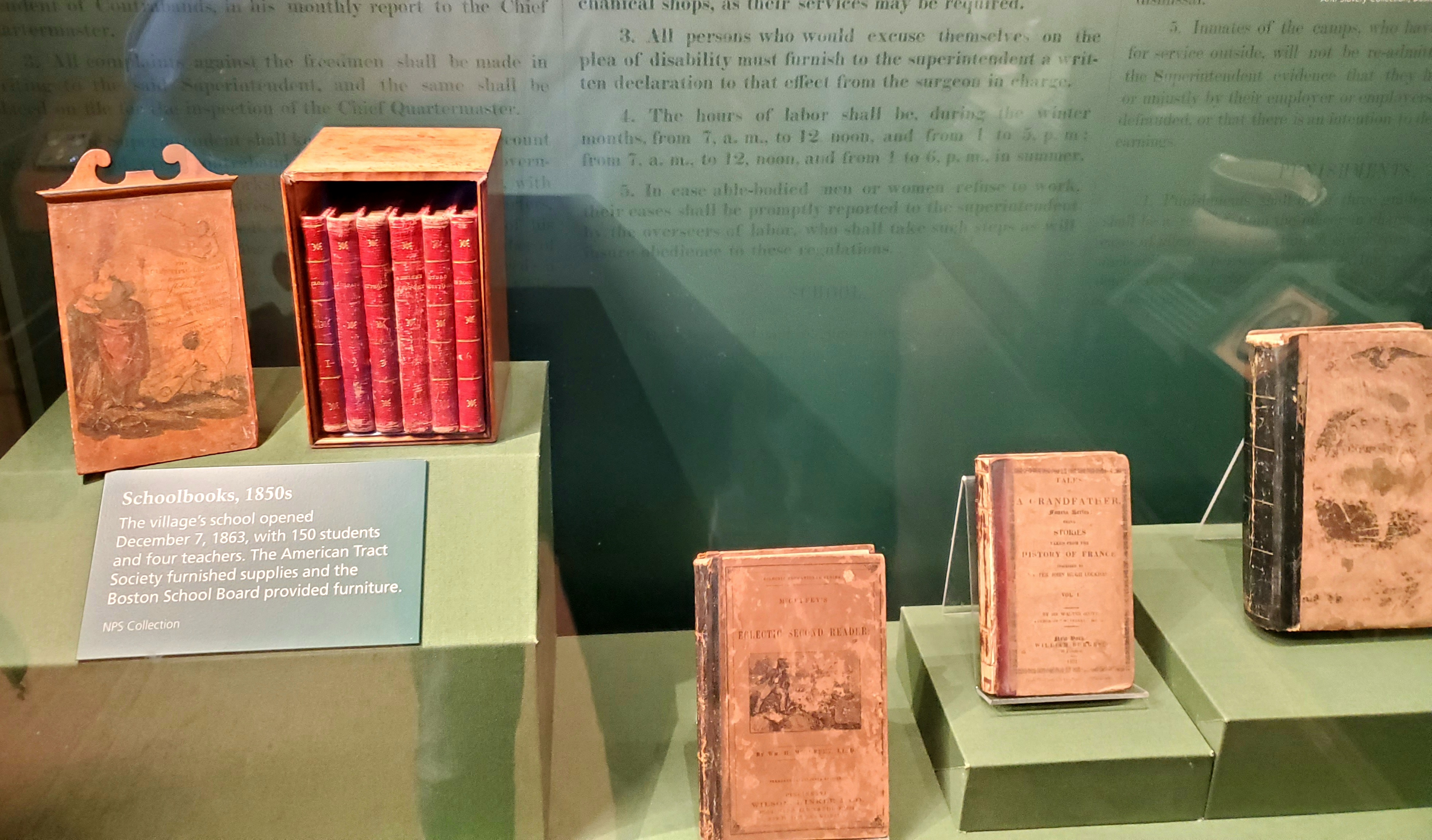
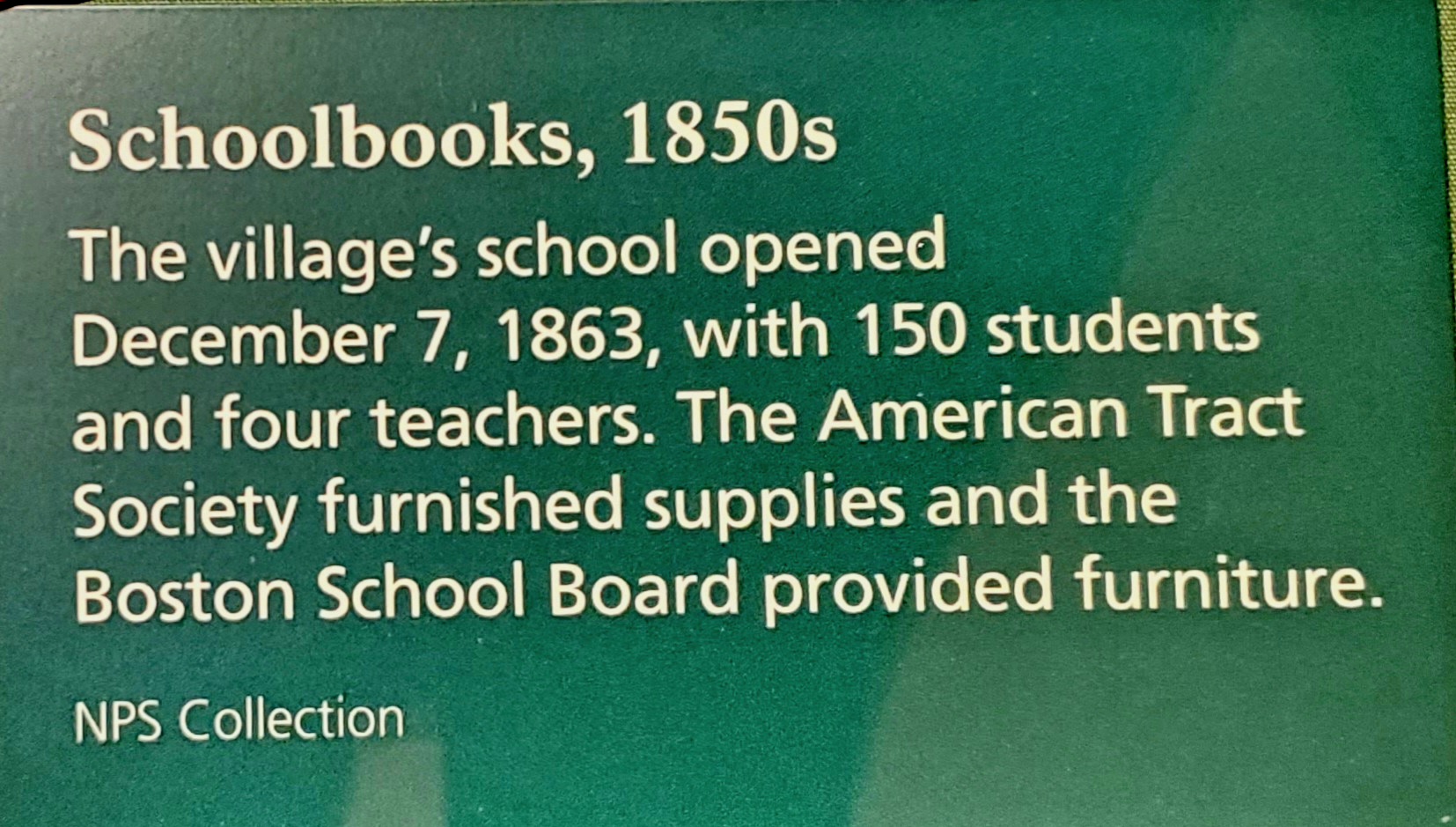
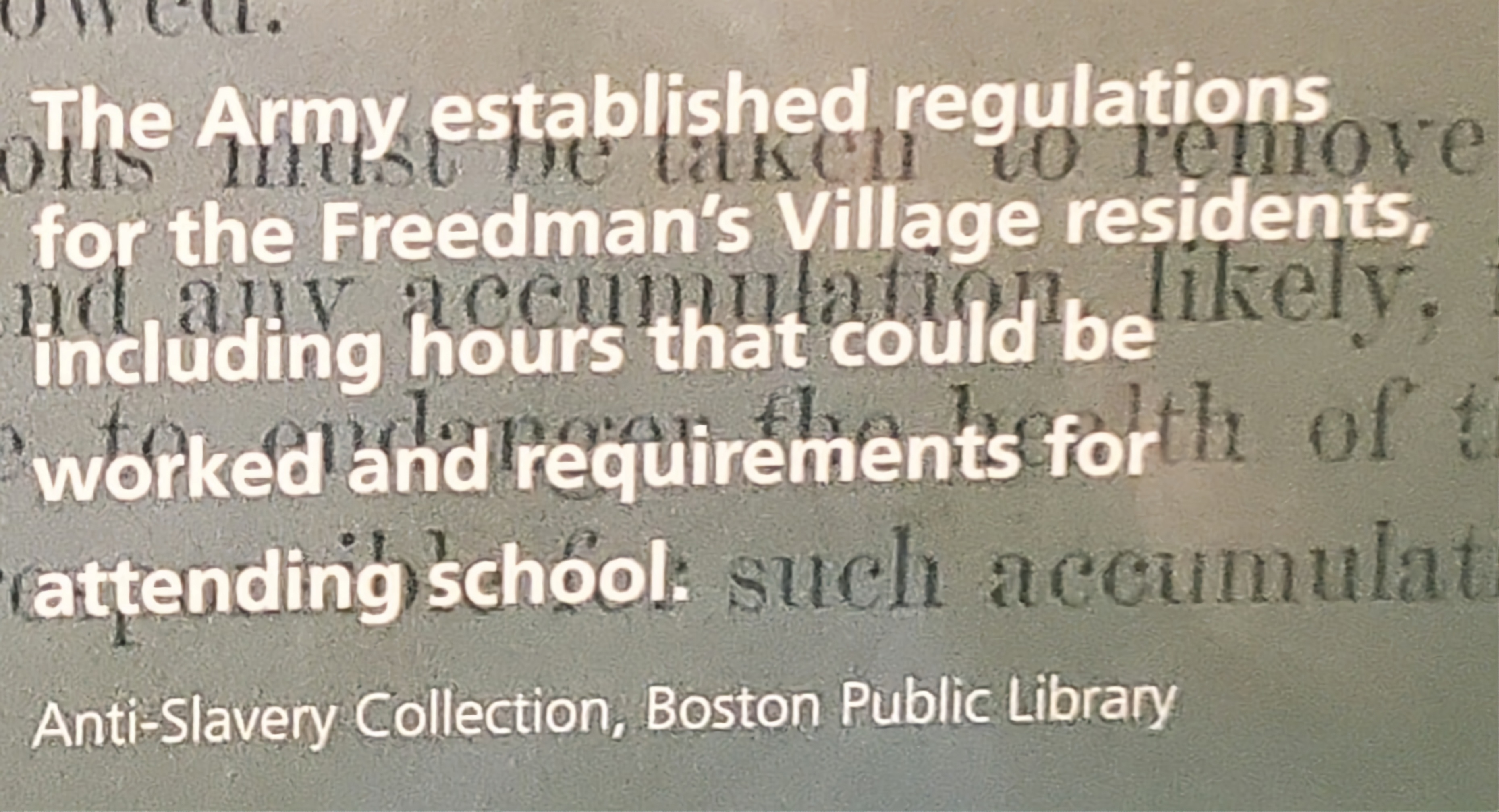
Beginning in 1863, the federal government used the southern portion of the land now occupied by the cemetery as a settlement for freed slaves, giving the name “Freedman’s Village” to the ground. The government constructed rental houses that 1,100 to 3,000 freed slaves eventually occupied while farming 1,100 acres of the estate and receiving schooling and occupational training during the Civil War and after the War’s end.

Posted in Scratch Pad | Leave a comment

Using Grammarly Can Be Helpful

Writing without the help of a computer is hard, but with the right desktop software, it can be made easier. Grammarly is one such tool that helps you write better and faster. It has a range of features to aid in your writing process and gives you an edge when you’re working on important projects. Grammarly is available for both Windows and Mac operating systems.

Grammarly Features

Grammarly for Windows is a desktop software application that helps you with your grammar. It checks for grammar mistakes and gives you suggestions on how to improve your writing. The software is available in both free and paid versions. The free version offers basic features, while the paid version provides more advanced features.

Grammarly for Windows has a user-friendly interface and is easy to use. It also integrates with Microsoft Word, so you can check your grammar as you type. The software includes a grammar checker, spell checker, punctuation checker, and plagiarism detector. It also offers a thesaurus, dictionary, and style guide. The paid version of Grammarly for Windows includes additional features, such as a sentence “rephraser,” vocabulary builder, and advanced proofreading tools.

The main difference between Grammarly Chrome Extension and Grammarly for Windows (When I used Grammarly it cited “with” and wanted me to change it to “between.” Good catch Grammarly. – Mesch)

If you’re a fan of the Grammarly Chrome Extension, you might wonder what the difference is between that and the Grammarly for Windows desktop software. Here’s a quick rundown of the main differences:

First, the most obvious difference is that Grammarly for Windows is a standalone program that you install on your computer, while the Grammarly Chrome Extension is just an extension that you add to your Google Chrome browser.

Second, Grammarly for Windows has many more features than the Chrome Extension. (When I used Grammarly it cited “the Chrome” and wanted me to change it to “Chrome.” – Mesch) For example, it can check for more than 250 types of grammar errors, whereas the Chrome Extension only checks for about 150. Additionally, Grammarly for Windows can checks for plagiarism and provides more detailed explanations of errors than the Chrome Extension. (When I used Grammarly it cited “checks” and wanted me to change it to “check.” Good catch Grammarly. – Mesch)

Third, because Grammarly for Windows is a standalone program, it can work offline whereas the Chrome Extension requires an internet connection to work. This means that you can use Grammarly for Windows even when you’re not connected to the internet.

Fourth, Grammarly for Windows integrates with Microsoft Word, so you can check your grammar as you type in Word documents. The Chrome Extension does not have this feature.

Finally, Grammarly for Windows costs $11.66 per month (or $139 per year), while the Chrome Extension is free to use. So if you’re looking for a more comprehensive grammar-checking tool and don’t mind paying a monthly fee, then Grammarly for Windows might be a good choice.

Tips for Using Grammarly Windows Version.

If you’re a fan of the Grammarly app but haven’t yet made the switch to the desktop version, now is the time! The Grammarly for Windows app is every bit as good as the web-based version, and it offers some additional features that can come in handy. Here are a few tips for getting the most out of Grammarly for Windows:

1. Use the app offline. One of the best things about Grammarly for Windows is that you can use it even when you’re not connected to the internet. This means you can continue working on your writing even if you’re on an airplane or in a remote location with spotty internet service. Simply enable offline mode in the settings and you’ll be all set.

2. Take advantage of keyboard shortcuts. If you’re someone who likes to work quickly, you’ll be happy to know that Grammarly for Windows supports keyboard shortcuts. For example, pressing Ctrl+Shift+1 will open up a new document, Ctrl+Shift+2 will open up a saved document, and so on. Check out the full list of shortcuts in the help menu so you can start using them right away.

3. Customize your settings. Not everyone needs or wants the same things from their grammar checker, which is why Grammarly for Windows lets you customize your settings to suit your needs.

Pros & Cons

When it comes to grammar checking tools, Grammarly is one of the most popular choices out there. (When I used Grammarly it cited “grammar checking” and wanted me to change it to “grammar-checking.” Good catch Grammarly. – Mesch). Grammarly is mostly accurate, user-friendly, and affordable. But like any software, it has its pros and cons. Here’s a detailed look at Grammarly for Windows desktop software so you can decide if it’s the right fit for you.

Pros:

1. Accuracy: Grammarly uses artificial intelligence to identify errors in your writing and suggest corrections. This means that it can catch errors that other grammar checkers would miss, making it one of the most accurate options on the market.

2. User-friendly interface: The Grammarly for Windows interface is clean and easy to use. It’s intuitive and straightforward, so you won’t waste time trying to figure out how to use the software.

3. Affordable: Grammarly offers a variety of pricing plans to fit different budgets. (When I used Grammarly it cited “fit” and wanted me to change it to “suit.” Good catch Grammarly. – Mesch)

And if you sign up for a yearly plan, you’ll get a significant discount. This makes Grammarly an affordable option for both individuals and businesses.

Cons:

1. Limited features on the free plan: If you want to take advantage of all that Grammarly offers, you’ll need to sign up for a paid plan. The free plan only gives you basic grammar checking and doesn’t include features.[1]

What are the Disadvantages of Grammarly?

Writers ask lots of questions about Grammarly, including the following: How does Grammarly fix human writing? What are the disadvantages of automated editing? Is Grammarly worth it? Is Grammarly legit? These are especially important questions.

As you proofread and edit your documents, know that there are several disadvantages of Grammarly. So, when weighing pros and cons of Grammarly, make a wise decision. (When I used Grammarly it cited “pros” and wanted me to change it to “the pros.” Good catch Grammarly. – Mesch)

Before using Grammarly for your documents, let’s consider a handful of the disadvantages. (When I used Grammarly it cited “the” and wanted me to change it to “its.” Good catch Grammarly. – Mesch)

Disadvantage 1: Automation

Let’s start with the obvious: Grammarly is automated. You do not get help from a human being, and if you want full service, which means paying more money.

This is problematic because computers have limitations. While computers have advanced, and continue to advance, they will never “be human.”

Despite advances in AI, computers cannot write as well as human beings. This means you are “limiting your writing quality, according to the limitations of the automation.”

Rhetoric is a key example of Grammarly’s limitations. Computers can analyze grammar and sometimes even tone. However, they cannot always match words to the proper context. Being nimble rather than programmed, a human is much more able to adjust and consider real-life situations.

Grammarly and ChatGPT have some similar downsides because automation has limits. While AI has a place, we strongly recommend going beyond that and asking a human editor to help. That way, you’ll receive personalized assistance from a real person.

Even if you like the idea of automation, you should use both – that is, start with automation but then ask a professional editing service to check your document. That way, you still benefit from a human reviewer. We have a number of clients who come to us after automation has failed them, and we welcome them, too!

Disadvantage 2: Price

Grammarly charges a hidden price for extra, premium service. This means the free service is limited. In other words, for full service, you need to pay money. In that case, you are better off going with a professional editing company in the first place – since you will save time as well.

As you consider the disadvantages of Grammarly, know that price can be a problem. When you need more advanced help, it is better to use human editing rather than automated editing. You’ll end up saving money in the long run since professionals will increase the overall quality – which can then lead to more sales, job promotions, higher pay, and much more.

Your words deserve investment. Paying for editing can be very beneficial. However, if you’re going to pay, you might as well pay for real editing rather than automated editing.

Disadvantage 3: Speed

Sure, Grammarly seems to be quick, as it offers “real time” feedback. However, “real time” does not mean “no time.” (When I used Grammarly it cited “real time” twice and wanted me to change it to “real-time.” Good catch Grammarly. – Mesch). This distinction is significant.

After Grammarly provides corrections and feedback, the writer still need to review, assess, and apply all the “errors” some of which may be unclear or incorrect. This can be a very time consuming process. (When I used Grammarly it cited “time consuming” and wanted me to change it to “time-consuming.” Good catch Grammarly. – Mesch)

Contrast that with PaperBlazer, for example, which applies all necessary changes for you, only leaving “author only” decisions. (When I used Grammarly it cited “author only” and wanted me to change it to “author-only.” Good catch Grammarly. – Mesch). The remaining choices will be far less than Grammarly, so you end up saving time. (When I used Grammarly it cited “less” and wanted me to change it to “fewer.” Good catch Grammarly. – Mesch)

Disadvantage 4: Vagueness

Another disadvantage of Grammarly is vagueness. (When I used Grammarly it cited “vagueness” and wanted me to change it to “its vagueness.” Good catch Grammarly. – Mesch) You must make most changes yourself. (When I used Grammarly it cited “most” and wanted me to change it to “the most.” I would rewrite the sentence as “most of the.”- Mesch) If you’re asking Grammarly for help, then some choices might be too complex. Vague suggestions are not very helpful.

In other words, Grammarly makes suggestions, but you need to implement them yourself. However, if you are overwhelmed and limited on time? (When I used Grammarly it cited “on” and wanted me to change it to “in.” – Mesch)

“What if you don’t want to read all the explanations? Grammarly requires some knowledge on the writer’s part. If you’re confused by grammar, automation does not always help. You end up doing additional work yourself.”

“In contrast, a service like PaperBlazer does most of the edits for you. Our human editors can “know” what you mean and then implements for you. (When I used Grammarly it cited “for” and wanted me to change it to “it for.” Good catch Grammarly. – Mesch) Of course, some review might be required, but in comparison, PaperBlazer saves you time. (When I used Grammarly it cited “review” and wanted me to change it to “reviews.” – Mesch)”

According to the PaperBlazerweb page

We simplify proofreading and editing.Upload your document, and our professional editors will correct, change, and commenton your document. Just upload your document, and you’re good to go.

Best of all, we offer world-class support and avoid technical jargon (no “dangling participles” here!), so anyone can use our services. With PaperBlazer, there’s also no need to mess with AI or proprietary software. In short, we make editing easier for you.

We do the hard work required for the best-quality editing. Unlike automated services, PaperBlazer provides help from a real editorfor personalized service. We are considered the “best online editor” because we make better edits and answer unlimited follow-up questions.

However, PaperBlazer comes with a cost. The cheapest plan with a 72-hour turnaround is $0.025 per word. That translates to $2,500 for a 100,000-word book. If the price of your book is $20 and you have a 30% royalty, you would need to sell 417 books to pay for the service. Most self-published authors will likely sell around 250 books or less.[2]

Disadvantage 5: Mistakes

Grammarly makes mistakes. Computers err and “have a mind of their own.” Don’t take our word for it. As one writer explained: (When I used Grammarly it cited “err and” and wanted me to change it to “errand” – Mesch)

It sometimes gets simple things wrong. On several occasions, for instance, I’ve written a grammatically correct phrase which Grammarly then wants to “correct” into nonsense. (When I used Grammarly it cited “which” and wanted me to change it to “that.” Good catch Grammarly. – Mesch)

Take this sentence:

This was, I decided, my house. I couldn’t trust this to anyone else: I searched its every nook and cranny by myself.

Stilted? No doubt. Incorrect? Well, you tell me. If you run it by Grammarly now, the software will suggest a revision to “I searched it is every nook and cranny […].”

So don’t just take our word for it. Consider the problems that other writers have noticed. The errors can be very problematic.

Rather than struggling with the disadvantages of Grammarly, try another way. Use a professional editing service with professional editors who can help you.[3]

I use Grammarly and will continue to use the free version. It helps me from committing dumb mistakes in everything I write. I don’t always agree with their suggestions and use my judgment. That’s why God gave me a brain. I try to exercise it as often as possible. My biggest peeve with the software is how it treats quoted material. It corrects errors in the quoted text, despite the requirement to maintain grammatical errors and misspellings in the material. This causes a problem for authors of non-fiction books.

If you like this post, please follow me at http://www.allenmesch.com.


[1] “Grammarly for Desktop,” APPCONNER, https://www.appconner.com/windows/grammarly-desktop?utm_source=bing&utm_medium=cpc&utm_campaign=407_grammarly_cpc&utm_term=app%20grammarly&utm_content=10110_grammarly_windows, retrieved May 2, 2023.

[2] “How Many Books Can You Expect to Sell? The Truth About Book Sales and the Keys to Generating Income from Publishing,” Non-fiction Authors Association, https://nonfictionauthorsassociation.com/how-many-books-can-you-expect-to-sell-the-truth-about-book-sales-and-the-keys-to-generating-income-from-publishing/, retrieved May 3, 2023.

[3] “Four Disadvantages of Grammarly,” PaperBlazer, https://paperblazer.com/four-disadvantages-of-grammarly/, retrieved May 2, 2023.
Posted in Scratch Pad | Tagged | Leave a comment