Overview
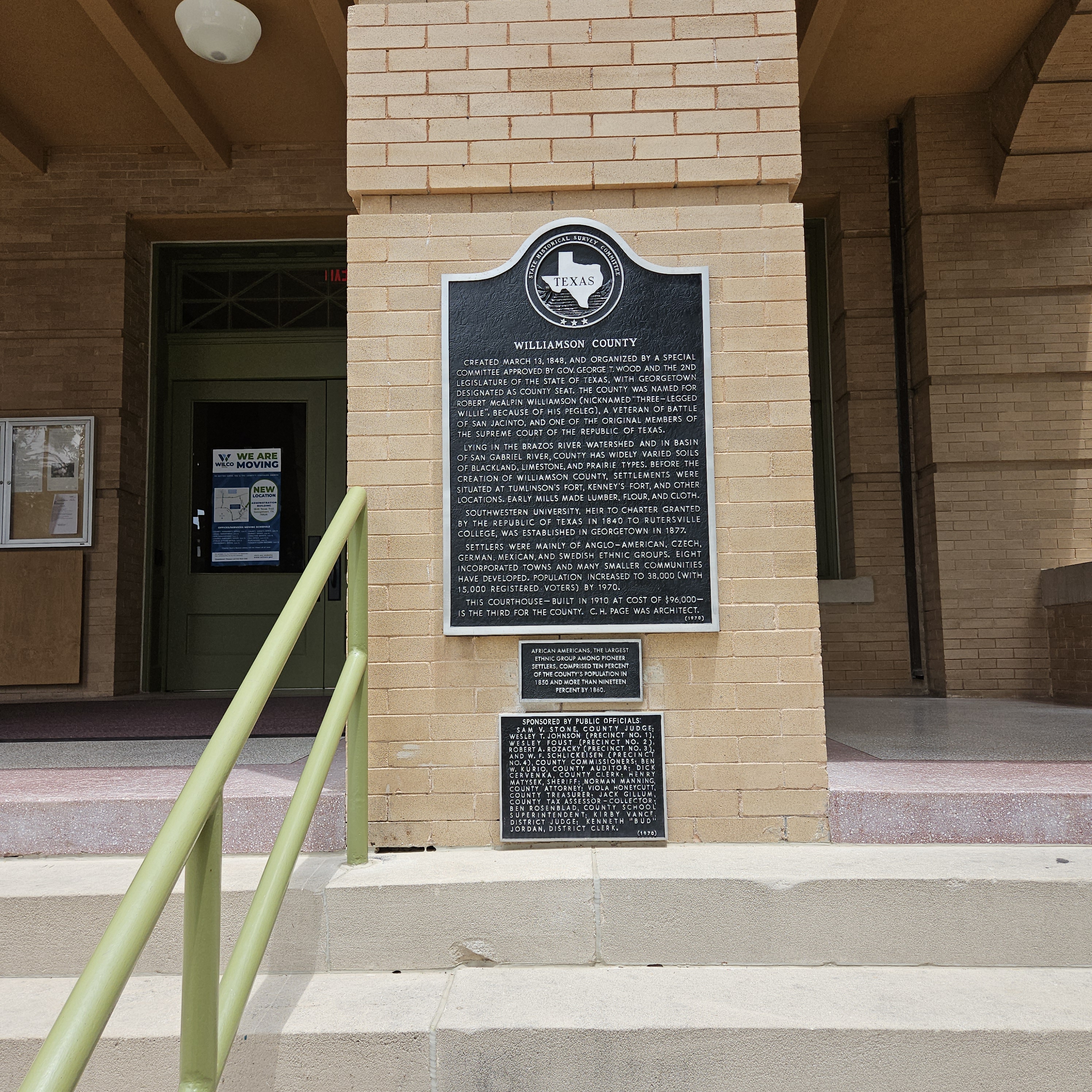
Georgetown is the county seat of Williamson County, Texas. The population in 2024 is estimated to be 101,344. It is 30 miles north of Austin and is part of the Austin–Round Rock–San Marcos metropolitan statistical area.
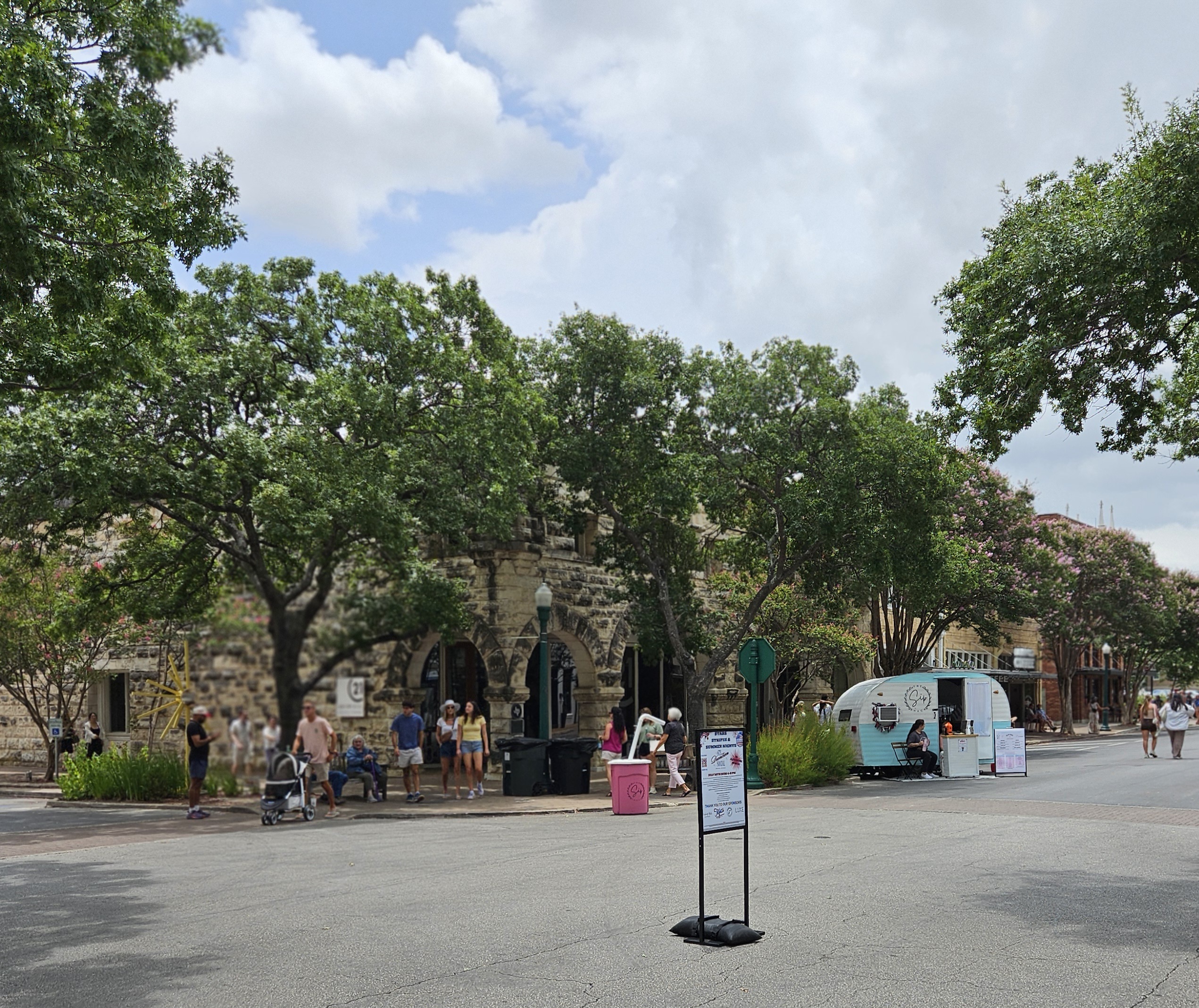
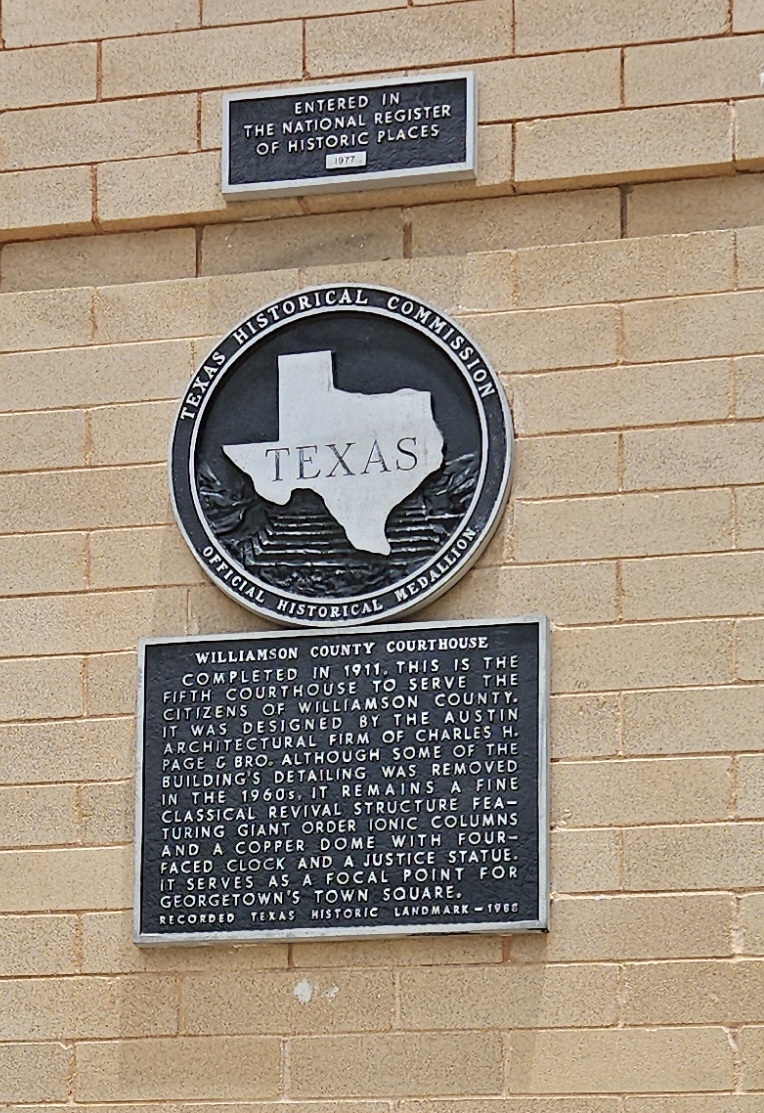
Georgetown has many Victorian commercial and residential buildings. In 1976, the city approved an ordinance to recognize and protect the historic central business district. The Williamson County Courthouse Historical District contains 46 structures. The district was listed on the National Register of Historic Places in 1977.
Southwestern University, founded in 1840, is the oldest university in Texas. Georgetown is known as the “Red Poppy” Capital of Texas for the red poppy wildflowers planted throughout the city. Georgetown’s Red Poppy Festival is held in April on the historic square.

Georgetown in the Civil War
Georgetown was only thirteen years old at the start of the Civil War in 1861. The county’s economy was based on farming and ranching.
In central Texas, Williamson County relied less on free labor and aligned more with the state’s slavery sentiment. At the 1861 secession convention, delegate Thomas Proctor Hughes was one of only eight to oppose leaving the Union. On February 23, 1861, the county voted 480 to 349 to remain in the United States.
Texas supplied tens of thousands of troops for the Confederate War Effort. By 1861, over 25,000 Texans had joined the Confederate army, and nearly 90,000 served during the war. Men from Williamson County, including Georgetown, served in various campaigns during the war.
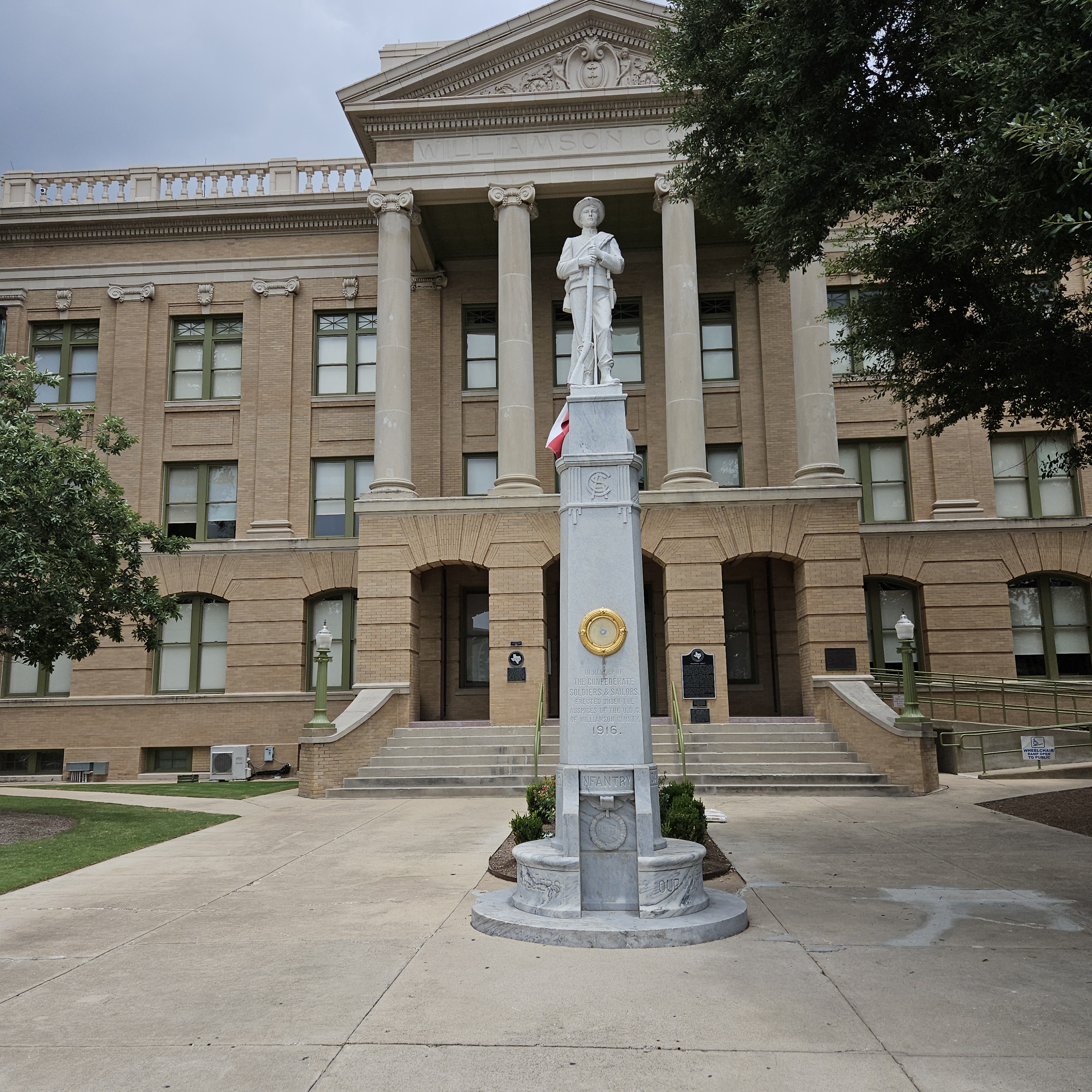
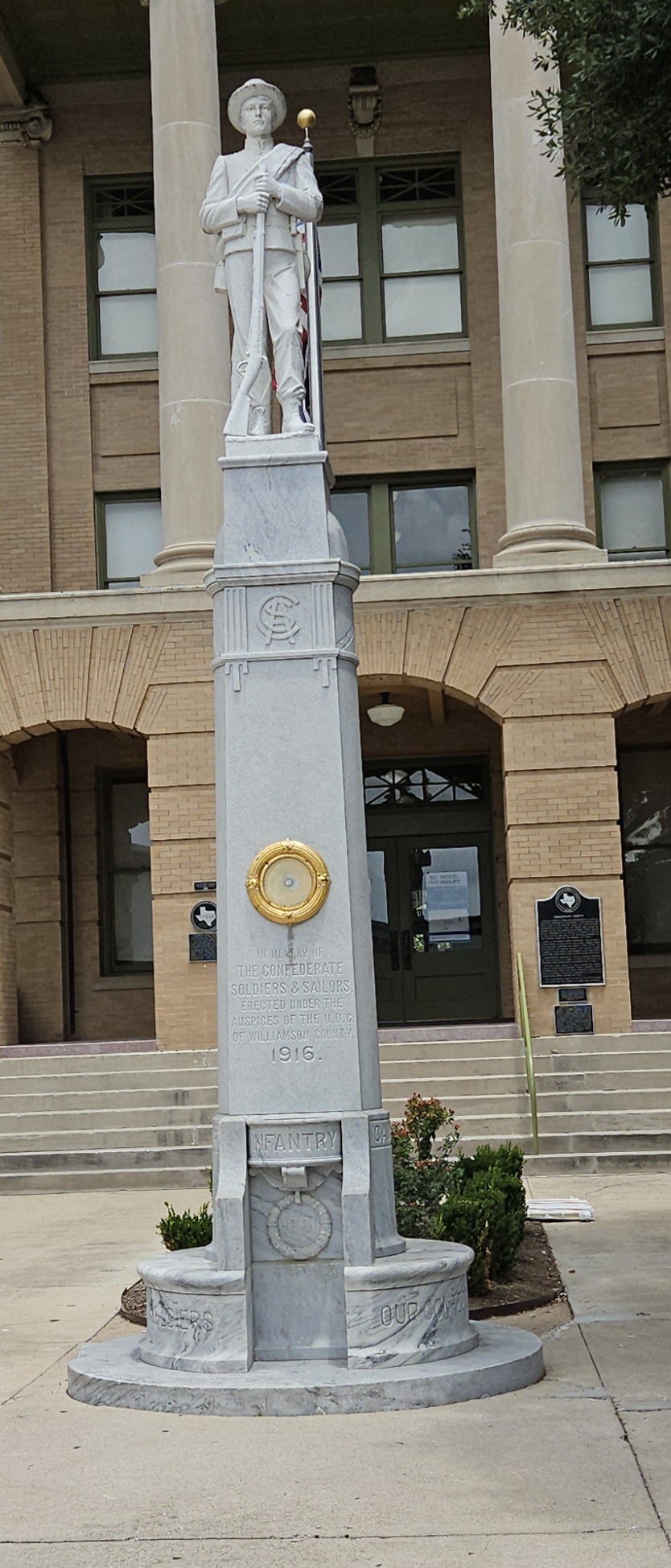
Georgetown honors its Civil War heritage through the Confederate Soldiers and Sailors Monument, which was erected in 1916 outside the Williamson County Courthouse. The monument commemorates those who served for the Confederacy, though it has been the subject of debate over its historical and racial context.
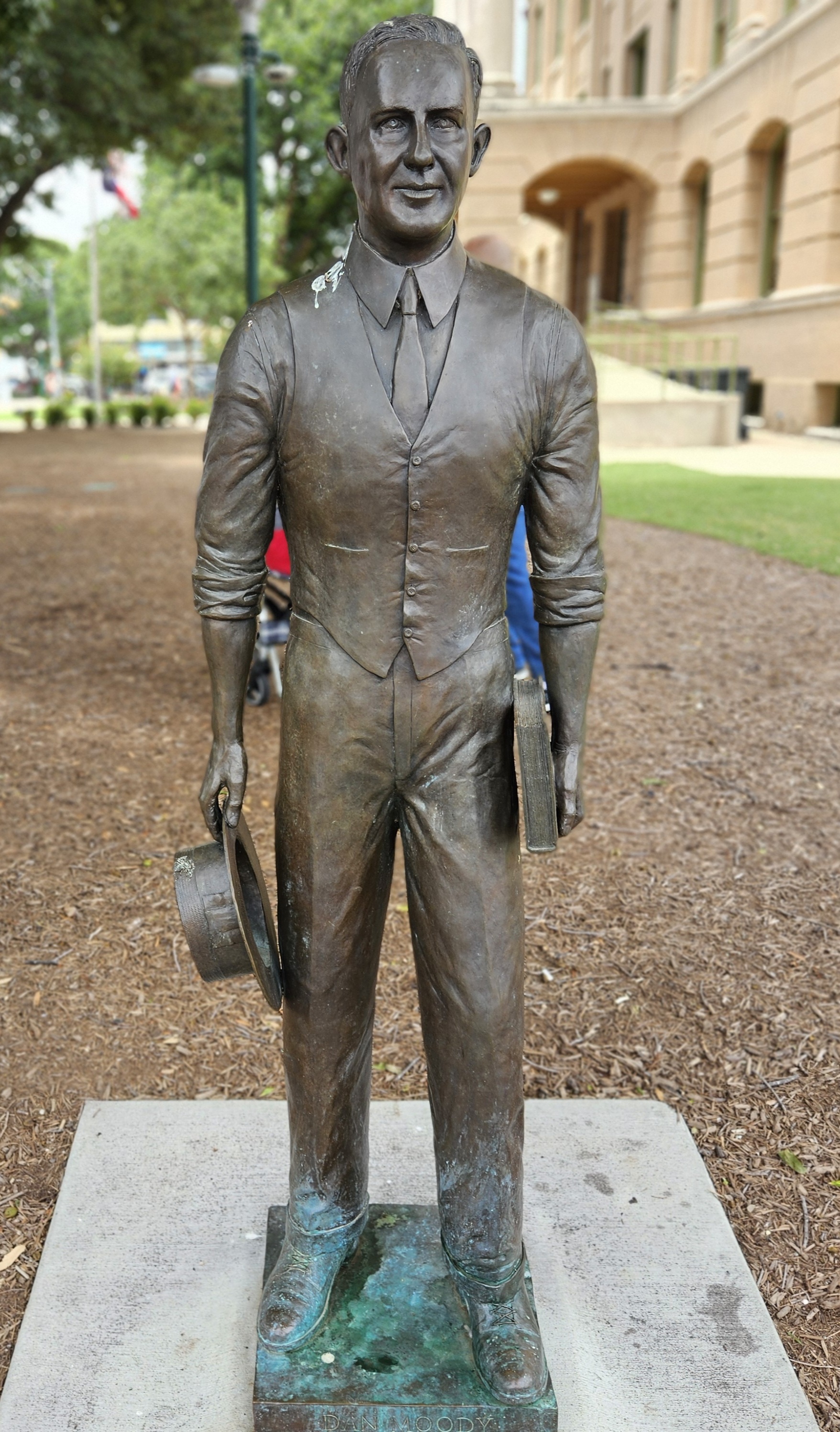
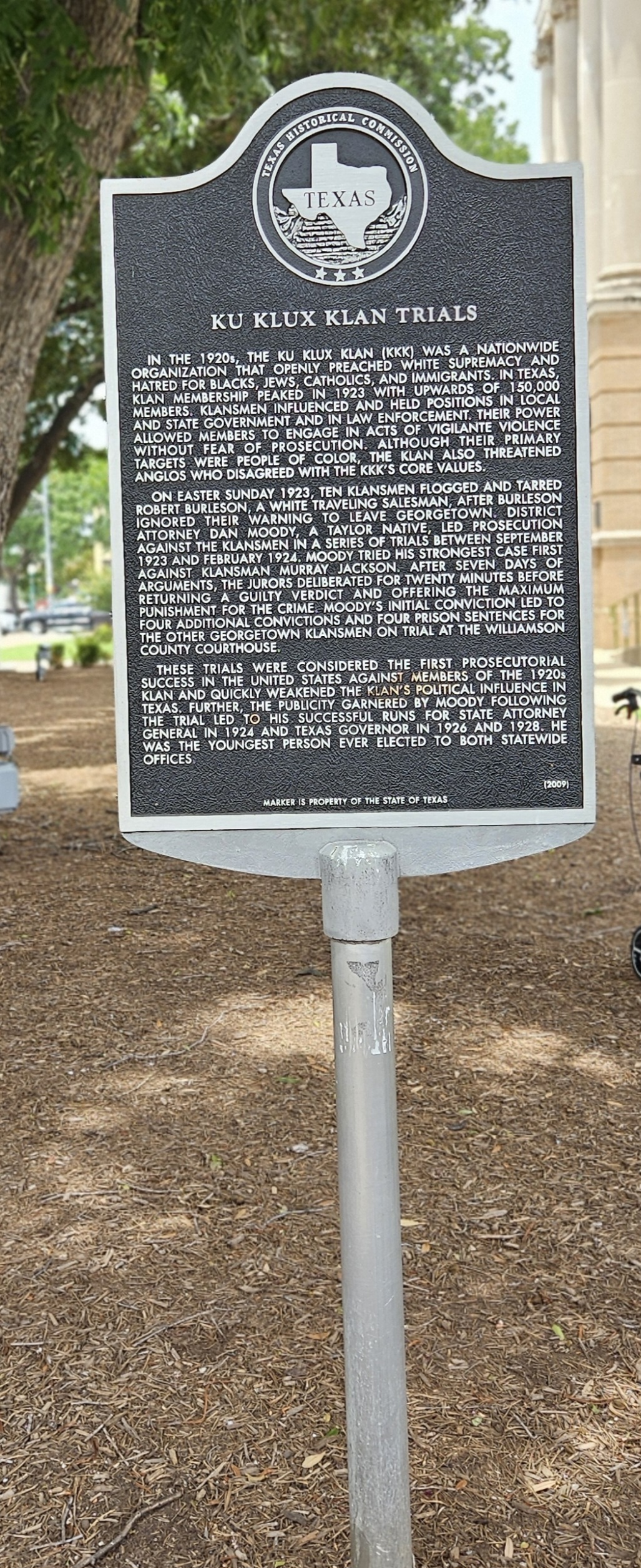
Klan Trials
Between September 1923 and February 1924, District Attorney Dan Moody led a series of trials against the Ku Klux Klan at the Williamson County Courthouse. The trials resulted in five assault convictions against members of the Ku Klux Klan for beating and tarring a white traveling salesman. The Texas Historical Commission wrote, “These trials were considered the first prosecutorial success in the United States against the 1920s Klan and quickly weakened the Klan’s political influence in Texas.”