
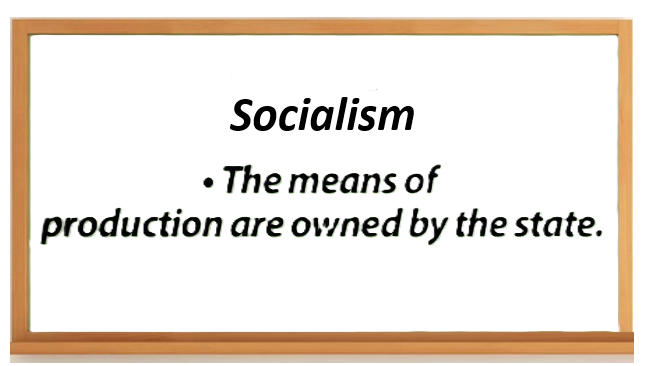
Conservative politicians have been assailing socialism during the 2026 election. They paint liberals with a “socialist” label as if socialism were evil.
Let’s start with a definition based on Wikipedia and edited by your author.
Socialism is an economic ideology and political philosophy that includes diverse economic and social systems. The major characteristic is public or social ownership of the means of production instead of private ownership. Social ownership can take various forms, including public, community, collective, cooperative, or employee.
Socialism is embedded in the economics and politics of the United States. Perhaps the best-known socialist program is Social Security.
However, there are many social systems that benefit all Americans. Wikipedia contains an extensive list.
Key Social Programs in the United States
- Social Security: Established in 1935, Social Security provides financial support to retirees, people with disabilities, and survivors of deceased workers. Funded by payroll taxes, it pools contributions from current workers and distributes benefits to eligible recipients, reflecting the socialist principle of shared resources.
- Medicare and Medicaid: These U.S. healthcare programs illustrate socialist principles. Medicare, established in 1965, provides health insurance primarily to Americans age 65 and older, while Medicaid serves eligible low-income individuals and families. Funded by taxpayers, both programs expand access to healthcare regardless of ability to pay.
- Public Education: The U.S. public education system, which includes K-12 schools and state universities, is funded by federal, state, and local taxes. It provides free education to all children, ensuring equal access to learning opportunities. This model reflects socialism’s emphasis on providing essential services to all citizens.
- Housing Assistance Programs: Various federal and state programs provide housing subsidies and assistance to low-income families, helping them afford safe and stable housing. These programs aim to reduce homelessness and improve living conditions for vulnerable populations.
- Food Assistance Programs: The Supplemental Nutrition Assistance Program (SNAP) is a federal program that provides food-purchasing assistance to low-income individuals and families. This program is designed to alleviate hunger and improve nutrition among those in need
- Public Infrastructure: Bridges, roads, electricity, water and sewer systems, and other government infrastructure are considered socialist. It is usually owned and operated by the government and paid for by a mix of taxation and user fees.
- Public Water Companies: Up to 75% of water services in the USA are owned and operated by a government entity.
- Fire Protection Services: Fire departments.
- Public Transportation: Public transportation systems, including buses, subways, railway stations, etc., are another great example of socialism in America.
- Police Departments
- Public Parks
- Postal Service
- Military
This list was compiled from Helpful Professor and Wikipedia.
Conclusion
Although the U.S. economy is primarily capitalist, these social programs combine elements of socialism and capitalism to provide essential services and support, especially to those in need. Debate over socialism in America often focuses on the programs’ effectiveness and sustainability, reflecting differing views of government’s role in social welfare.
As you go to the polls this November, please consider how socialist programs have helped you and your family. Would you be willing to stop receiving Social Security benefits?


