
 Ebenezer Allen – Statesman, Entrepreneur, and Spy is officially available for pre-order. The release date is July 15, 2020. My publisher is holding a contest for pre-orders, and the winner gets twenty books to donate to area schools. Your pre-order will help educate students about Ebenezer Allen’s role in Texas history. Pre-order book.
I have completed a draft of my biography Ebenezer Allen – Statesman, Entrepreneur, and Spy. The book is scheduled for release on July 15, 2020. The publisher suggested I add “blurbs” about the book and author on the back cover.
I am looking for people who will review the book and/or are familiar with my authoring to write brief recommendations/endorsements for my biography of Ebenezer Allen. This is not editing. I only need around three sentences to help create interest in buying and reading the book. Waldorf Publishing markets their books to libraries and schools. Educators, librarians, and historians would be most helpful.
Would you be interested in writing a few sentences for the book? It would mean a great deal to me if you gave an endorsement based on your knowledge of me, experience with my books, reading the biography, and your previous or current position. Potential readers pay attention to who gave the blurb, and judge the book based on the person endorsing it.
A good blurb will indicate the book is significant, provide proof the author is worthy, help readers that the book is relevant to them, and most importantly, convince a potential reader to buy the book.
The following are examples from Michael Shaara’s Pulitzer Price novel, The Killer Angels.
“The best Civil War novel ever written, even better than The Red Badge of Courage.” – Stephen B. Coats
“My favorite historical novel …. It is a superb re-creation of the Battle of Gettysburg, but its real importance is its insight into what the war was about, and what it meant.” ̶ James M. McPherson, author of Battle Cry of Freedom
“A book that changed my life…. I had never visited Gettysburg, knew almost nothing about that battle before I read the book, but here it all came alive …. I wept. No book, novel or nonfiction, had ever done that to me before.” ̶ Ken Burns, film maker and co-author of The Civil War
The following are examples from John Waugh’s Class of 1846.
“John C. Waugh, a distinguished journalist, gives to his story of the class a special and very human dimension that is missing from their standard biographies and autobiographies.” ̶ Edwin C. Bearss, author of Vicksburg Campaign
“Waugh skillfully traces the transformation of 1842’s callow plebes into some of the most important Civil War leaders on either side.” ̶ Robert K. Krick, author of Stonewall at Cedar Mountain
“A compelling work which entertains as well informs the general reader.” ̶ James L. Morrison, Jr., author of The Best School in the World: West Point, the Pre-Civil War Years, 1833-1860
As you can see, the blurbs are short and do not require an in-depth reading of the book. However, credentials are important. This is not the time to be modest.
I hope you will consider my request.
Allen




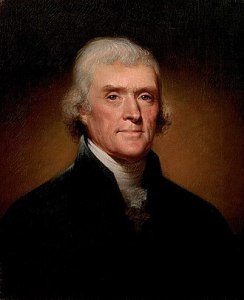 “The tree of liberty must be refreshed from time to time with the blood of patriots and tyrants.” This sentence is often used to justify violence in connection with political positions. I find it amusing the following sentence is never included in the quote: “It is it’s natural manure.” Does equating blood with manure make the first sentence less noble?
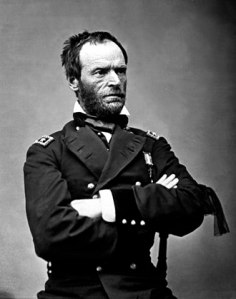 General William Sherman’s quote on war is simplified to “war is hell.” The full sentence is “There is many a boy here today who looks on war as all glory, but, boys, it is all hell. You can bear this warning voice to generations yet to come.”
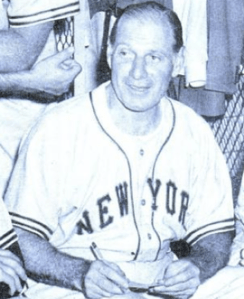 Leo Durocher’s baseball quote is usually given as “Nice guys finish last.” The actual quote is “Nice guys actually finish seventh” or “Take a look at them. All nice guys. They’ll finish last. Nice guys – finish last.”
 Adjectives are a writer’s best friend. They help describe a person, place, or thing to allow a reader to form a mental picture of a subject. For example:
 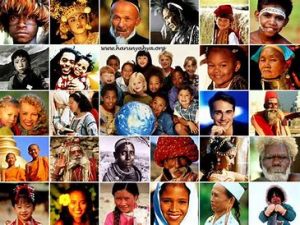 I believe that most of the time these labels are racist in intent. They are superficial and demeaning, the vocabulary of lazy and bigoted minds. We should not describe our friends with labels such as: “my black friend John,” “my Jewish doctor Nathan,” “my Catholic neighbor Mary,” “my Hispanic teammate Peter,” or “my son’s Asian girl friend Nancy.”
 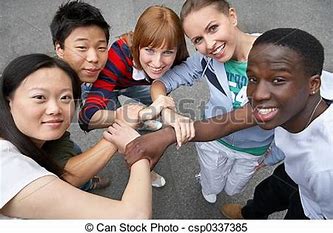 Young people do not feel the necessity of employing these labels, let’s hope that they can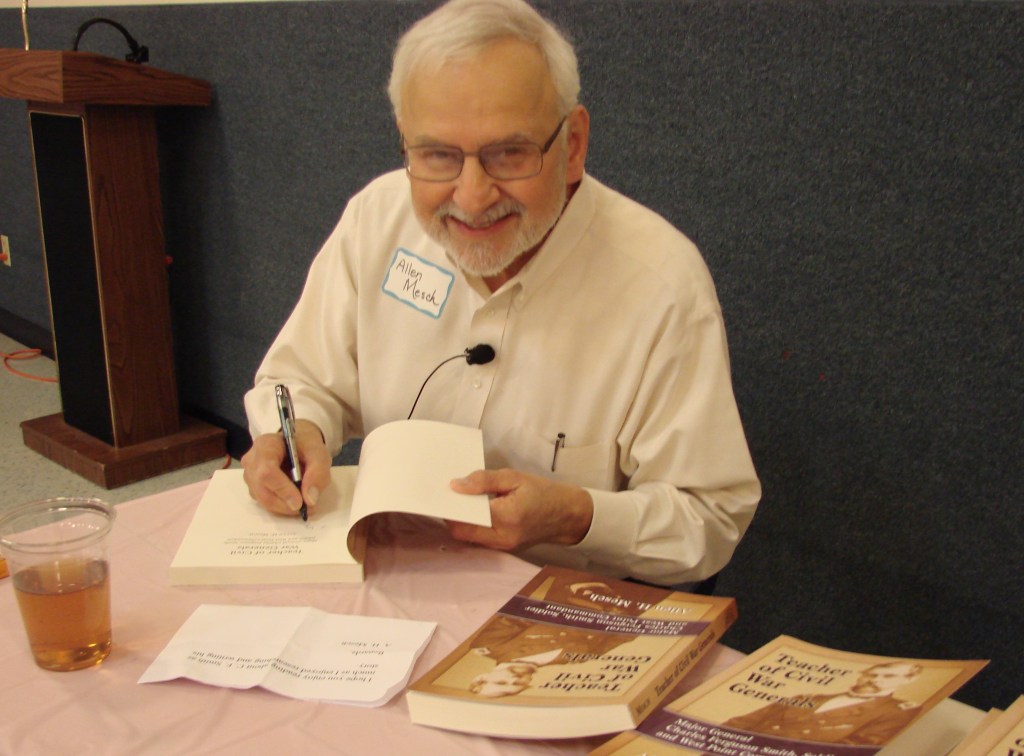
 Allen Mesch